War and Energy Shortages Elevate China’s Regional Energy Power
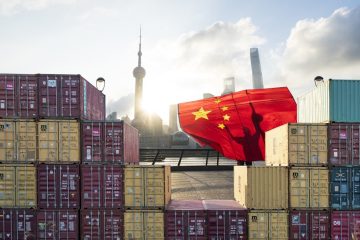
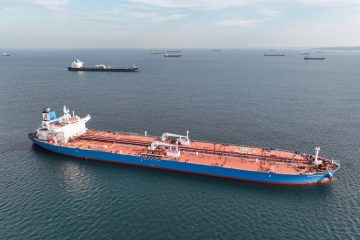
As the conflict in Iran continues, China has strengthened its sway over fuel-deprived neighboring countries, proposing solutions to alleviate shortages while promoting its renewable energy technologies. Following the military actions by the United States and Israel against Iran, which resulted in the closure of the Strait of Hormuz, China implemented a ban on oil-product exports. This decision has placed significant pressure on Asian nations that depend on Chinese refineries for essential fuels such as jet fuel, gasoline, and diesel. Throughout Asia, various governments are urging Beijing to mitigate the effects of the conflict. In contrast to its regional counterparts, China is operating from a position of strength. The nation stands as the largest importer of crude oil globally; however, it has built substantial reserves, dedicated decades to decreasing its reliance on foreign oil, and invested hundreds of billions of dollars into clean energy technology. Vietnam has reached out to Beijing regarding its impending jet fuel shortage. The Philippines has requested that China refrain from imposing restrictions on fertilizer exports. Following a recent visit to China aimed at addressing the matter, Australia’s foreign minister indicated that Beijing would engage with Australian firms regarding jet fuel shipments. The outreach yielded assurances from China regarding the resolution of regional energy security concerns, alongside commitments from various nations to enhance diplomatic discussions with Beijing and, in certain instances, collaborate on prospective renewable energy initiatives, as indicated by government readouts. The diplomatic efforts facilitated a continued flow of Chinese fuel, thereby assisting Asia in circumventing some of the most dire outcomes anticipated by experts at the onset of the conflict.
Since the onset of the conflict, Beijing has engaged in high-level discussions with representatives from the Philippines, Australia, Vietnam, Cambodia, Laos, Thailand, Myanmar, and Bangladesh. China has maintained a clear stance: it did not initiate the conflict and seeks to keep the Strait of Hormuz open — however, it does present a viable alternative to fossil fuels. Beijing positions itself as the frontrunner in a future driven by renewable and locally sourced energy, contrasting sharply with President Trump’s reliance on oil and natural gas, which renders much of the globe vulnerable to instability in areas such as the Middle East. “China is stepping in cautiously to support its neighbors,” stated Michal Meidan. “This is being utilized as a soft-power instrument to convey the message, ‘We will endeavor to bolster your energy security with the stipulation that China takes precedence,’ thereby establishing the groundwork for future sales of green technology as a means of ensuring security.” For years, China has leveraged its economic power and technological expertise to enhance its global presence via the Belt and Road Initiative, providing an estimated $1 trillion in loans and grants for infrastructure projects around the world, primarily in developing countries. However, the conflict in Iran has enabled it to broaden its influence while avoiding the reputational risks linked to providing loans to nations with significant debt burdens. “Chinese officials recognize the potential repercussions, and they view clean energy as a solution to the negative perception surrounding the Belt and Road Initiative,” stated Dan Wang.
Oil exports from China persisted in the initial month of the conflict; however, analysts advise caution in interpreting these figures, as they are subject to significant month-to-month fluctuations. In March, shipments of jet fuel from China to Vietnam experienced a notable increase of 34 percent, while fertilizer exports to the Philippines rose by 33 percent. Additionally, diesel exports to the Philippines saw a significant surge of 187 percent compared to the previous month. Asian economies continue to grapple with the extensive costs of the war, which have escalated to levels reminiscent of the disruptions caused by the Covid-19 pandemic that significantly curtailed global trade. Experts caution that prolonged closure of the strait will result in increasingly severe long-term repercussions for a region that remains significantly reliant on oil from the Middle East. However, ongoing shipments of certain Chinese oil products to specific countries have provided relief and highlighted how Beijing utilizes incentives during crises to foster goodwill, according to analysts and energy experts. “China’s ban was not a complete ban,” Ms. Wang stated. “It was more selective, and it appeared that strong diplomatic relations significantly influenced the outcome.” Vietnam and Australia, for instance, have reaped benefits due to the enhancement of their ties with Beijing. “So they did acquire some fuel, albeit not the complete quantity they required,” stated Ms. Wang, who recently visited China and engaged with industry experts. At various points, China has presented the possibility of support contingent upon the acceptance of its political conditions. In March, as Taiwan endeavored to secure new energy sources, China’s Taiwan Affairs Office presented a subtly implied proposition to the self-governed island, which Beijing asserts as its own. Taiwan, according to the office, would experience “better resource security after peaceful reunification, with a strong motherland as its backing.” The island relies on imports for over 96 percent of its energy needs, with approximately 60 percent of its oil passing through the strait.
The conflict in Iran has revealed numerous vulnerabilities within Asia, with China not being the sole nation leveraging its resources to sustain the region. Japan has committed $10 billion to assist Southeast Asian countries in managing escalating oil prices and to bolster factories that provide essential equipment to Japanese industry. However, for China, the conflict has simultaneously presented an opportunity to advance its renewable energy technology throughout the region. China leads the global market in the manufacturing of equipment for solar farms, wind farms, and smart grids, alongside its significant role in the production of electric vehicles. The export of these goods plays a vital role in sustaining China’s robust export sector, which is essential for driving growth in a domestic economy that is currently experiencing stagnation. “The conflict provides them with a springboard to achieving that objective of becoming an energy powerhouse,” stated Erica Downs. “To the extent that they can leverage that energy technology as either an incentive or a deterrent is beneficial.” In an opinion essay published weeks prior to the onset of the Iran war, Chinese state media contended that achieving the status of a “energy powerhouse” would enhance China’s “strategic initiative in great power competition.” The article illustrated Beijing’s overarching initiative to enhance China’s resilience and self-sufficiency in energy, raw materials, critical minerals, and supply chains.
Wei Xiaowei noted in a report shortly after the onset of the war that China has “fully leveraged the positive role of energy diplomacy.” He highlighted initiatives across numerous nations, many supported by Chinese state-owned enterprises, such as wind farms in Kazakhstan and Montenegro, as well as solar facilities in the United Arab Emirates, Argentina, and Algeria. The conflict in the Middle East has provided China with an opportunity to offload its surplus of electric vehicles, solar panels, and various other green technologies. In March, Chinese solar panel exports experienced a significant increase, more than doubling compared to the preceding month. Concurrently, electric vehicle exports also saw an uptick, despite the presence of tariffs designed to restrict their entry into various markets. Concerns regarding the influx of affordable products from Chinese manufacturers into the global market have diminished in light of the ongoing energy crisis. “Numerous nations expressed significant concern and dissatisfaction regarding China’s overcapacity and its implications for the international market,” Ms. Downs stated. “However, in the throes of a crisis, that perspective may shift significantly.”