UAE Exits OPEC: Impacts and Historical Context
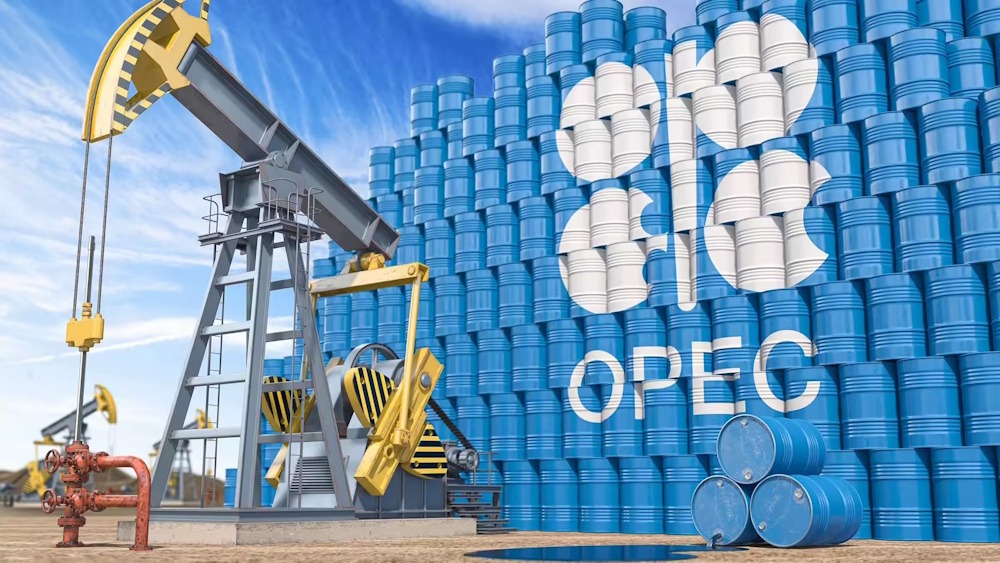
As the conflict in West Asia reached the two-month mark on Tuesday, the United Arab Emirates declared its departure from the 12-member Organisation of the Petroleum Exporting Countries and the larger 22-member Opec+ coalition. This decision arises in the context of a worsening global oil supply crisis, initiated by the US assault on Iran on February 28 and the ensuing blockade of the Strait of Hormuz by Tehran. The UAE’s decision, effective May 1, may significantly impact the global energy markets. The West Asian nation has been a member of the Opec alliance since 1967 and ranks as the fourth-largest oil producer within the bloc, boasting a production capacity of approximately 4.8 million barrels per day. Based in Vienna, Austria, the Opec alliance was formed at the Baghdad Conference in September 1960, with founding members including Iran, Iraq, Kuwait, Saudi Arabia, and Venezuela. During the initial five-year period, the headquarters of the alliance was situated in Geneva, Switzerland. The five founding members of Opec were subsequently joined by Qatar in 1961, followed by Indonesia and Libya in 1962, the UAE in 1967, Algeria in 1969, Nigeria in 1971, Ecuador in 1973, Gabon in 1975, Angola in 2007, Equatorial Guinea in 2017, and the Republic of Congo in 2018.
Currently, four nations—Qatar, Indonesia, Ecuador, and Angola—have exited the alliance, with the UAE expected to follow suit shortly. A broader coalition, Opec+, was established in 2016 under the leadership of Russia, incorporating 10 significant non-Opec producers in reaction to the declining crude prices attributed to the surge in US shale oil production. The nations that became part of the group comprised Russia, Mexico, Kazakhstan, Oman, Azerbaijan, Bahrain, Brunei, Malaysia, Sudan, and South Sudan. In the 1950s and 1960s, the global landscape was marked by a significant transitional phase characterized by decolonisation, leading to the emergence of new sovereign nations within the developing world. Concurrently, the global oil market was under the influence of the ‘seven sisters’ — private multinational corporations overseeing 85 percent of the supply chain. Among the companies that continue to operate in various capacities today are Anglo-Persian Oil, which is now known as BP, Royal Dutch Shell, and five American entities: Standard Oil of New Jersey, currently Exxon; Standard Oil of New York, now Mobil; Standard Oil of California, which has become Chevron; Gulf Oil; and Texaco.
In an effort to regain control over their oil resources from previous colonial powers, Opec was established in Baghdad. The formation was also a reaction to the decision made by the Seven Sisters to lower the prices of the crude oil they provided. In the establishment of Opec, the five founding members reached a consensus on specific terms aimed at countering the oil companies’ unilateral pricing authority, ceasing additional price fluctuations, and reinstating rates to their levels prior to August 1960. Furthermore, the members reached a consensus that should any oil company take retaliatory action against a member nation for implementing these decisions, no other member would exploit that situation by accepting more favorable export agreements or pricing proposals in its stead. The UAE’s exit from Opec appears to be closely associated with escalating security apprehensions in West Asia, reflecting its strategic alignment with the United States.
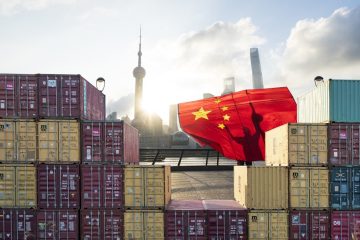
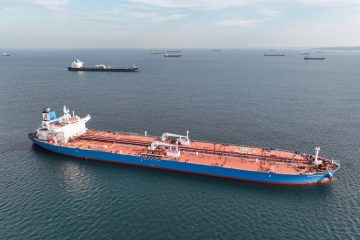
The current conflict between the US and Iran, coupled with the closure of the Strait of Hormuz—accounting for nearly 20% of the global oil supply—has resulted in a significant deceleration of maritime traffic, thereby disrupting supply chains and unsettling energy markets on a global scale. Moreover, assaults on oil refining and production installations throughout the region have exacerbated volatility. Furthermore, Opec’s agreements limit the UAE’s oil production to 3.2 million barrels per day, despite the nation possessing the capability to produce nearly 5 million bpd. Leaving the bloc allows the UAE to increase its oil production capacity and take advantage of the circumstances arising from the US-Iran conflict.