China rejects US sanctions bill, vows to resist long-arm jurisdiction
On Thursday, China dismissed the United States’ “long-arm jurisdiction” aimed at imposing tariffs on Russian oil and gas purchases. The Chinese government asserted that its standard trade and economic interactions with other nations ought to remain free from interference or coercion by external entities. The US House of Representatives has approved the Lindsey O Graham Sanctioning Russia and Iran Act 2026, which grants Trump the authority to impose sanctions on Russia and implement significant tariffs on its primary trading partners, including India and China.
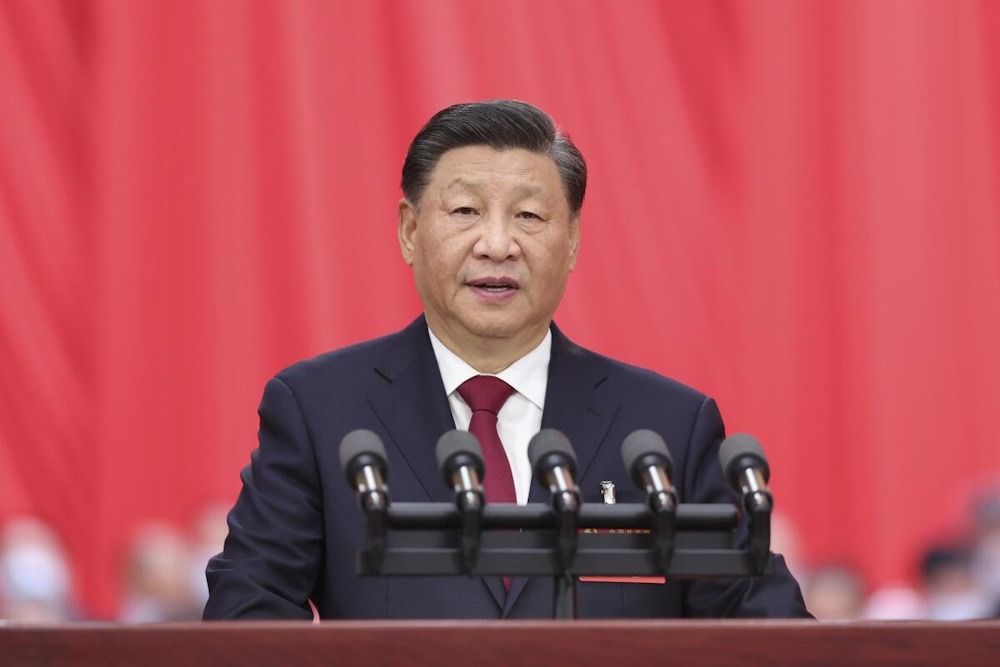
In response to enquiries regarding the bill, Guo Jiakun, spokesperson for the Chinese Foreign Ministry, articulated China’s stance during a media briefing, emphasising the nation’s opposition to any actions that do not possess the authorisation of the UN Security Council. “China consistently opposes long-arm jurisdiction that lacks a basis in international law and is not authorised by the United Nations Security Council,” Guo said. He stated that China has consistently engaged in standard economic and trade cooperation with nations globally, founded on principles of equality and mutual benefit.
“Such cooperation neither targets any third party nor is subject to interference or coercion from any third party”, he said. Beijing has consistently expressed its opposition to unilateral sanctions. It also contravened US sanctions regarding the procurement of oil from Iran. China, in conjunction with India, ranks among the largest purchasers of oil and gas from Russia. Much of China’s imports are conveyed via pipelines traversing its terrestrial boundary.
Official data indicates that China’s imports of Russian oil and gas totalled USD 64 billion last year, with imports from January to August this year exceeding USD 70 billion. The bill that was passed by the US Senate last month received approval from the House with a vote tally of 262-159 on Wednesday and is now set to be signed into law by Trump. It seeks to impose consequences on Russia for its ongoing military actions in Ukraine.