AI and rush orders boost China’s exports 19.4% in May
China’s exports gained momentum in May, as prior front-loading by international buyers to mitigate Gulf war energy costs influenced shipments, while consistent demand for semiconductors and AI hardware provided further backing. Exports increased by 19.4 percent compared to the previous year in terms of US dollar value, according to customs data released on Tuesday. This growth surpasses the 14.1 percent increase recorded in April and the 15 percent rise anticipated by economists. Imports experienced another robust month, increasing by 27.4 percent compared to a rise of 25.3 percent the previous month. Economists had projected an increase of 25 percent.
The West Asia conflict has yet to impact China’s exports, which are favoured by policymakers as a growth engine. However, economists caution that this buffer is temporary, as stockpiling reaches its peak, costs increase, and buyers start to deplete their inventories while awaiting a ceasefire. Separate factory activity data for May revealed a significant decline in new export orders from April’s two-year high, when warehouse managers noted “booming” business due to a rush by foreign factories to secure supplies, indicating that the front-loading may be diminishing.
Strong exports propelled China’s $20 trillion economy beyond expectations in the first quarter; however, momentum has since diminished, heightening concerns that fragile domestic demand renders it vulnerable to weaker global conditions and raises the probability of additional policy support. Beijing faces increasing international pressure to bolster domestic consumption, as critics caution that its significant dependence on imported inputs and re-exports is distorting trade and pushing other emerging economies out of higher-value manufacturing. The Organisation for Economic Cooperation and Development amplified that concern last week, noting in a report that nearly 60 percent of Chinese firms’ “market share gains can be explained by subsidies received.”
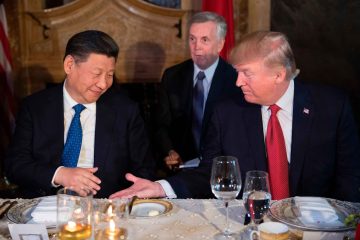
A recent paper from the US Federal Reserve reveals that China’s trade surplus, when measured against global GDP, has exceeded 1 percent. This figure is significantly higher than the peaks reached by Japan and Germany in the late 20th century, and it appears to show little indication of diminishing. That indicates that ongoing Chinese industrial overcapacity will transform global manufacturing for years to come. A closely observed meeting last month between US President Donald Trump and President Xi Jinping contributed to easing tensions, yet yielded no significant advancements regarding tariff disputes or collaboration on resolving the Iran conflict. China’s trade surplus reached $105.43 billion in May, an increase from $84.8 billion the previous month and surpassing the forecast of $92.1 billion.