US Faces Impact of Intensifying Trade War with Canada
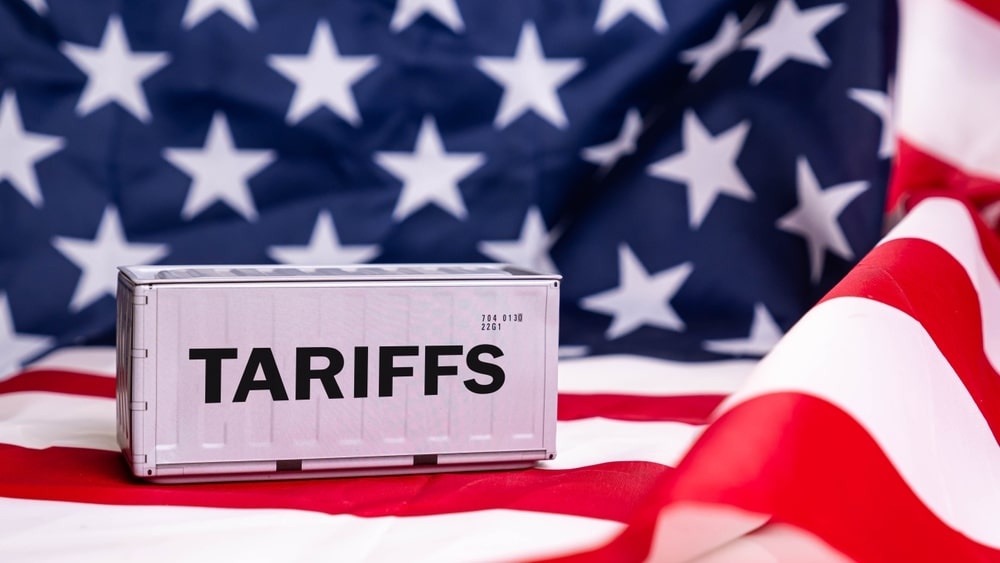
Since the return of Donald Trump to the presidency, the United States and Canada have repeatedly approached the brink of a full-scale trade war, only for Trump to temper some of his most severe criticisms directed at one of the US’s nearest allies. However, that phase of relative tranquillity concluded on Saturday, as new 50 percent tariffs from Washington were implemented, eliciting a direct warning from Canada to retaliate similarly. The resulting clash has positioned the two neighbours on a trajectory toward a perilous tit-for-tat escalation, one that could potentially inflict significant damage on the US economy. For Trump, the return to trade brinkmanship reaffirmed a time-old truth: His tariffs are taxes on imports, meaning some of the cost of his latest duties may ultimately fall hardest on US importers stung by years of persistently high prices.
Although Trump’s tariffs encompass merely a limited range of Canadian goods, the repercussions could rapidly escalate. If Canada retaliates and Trump responds in kind, the outcome may lead to a succession of new shocks for the US economy, which is already navigating through numerous challenges. “The bigger deal is uncertainty,” said Scott Lincicome. Lincicome said that volatility had pervaded Trump’s entire second term, as his ever-shifting tariffs — raised and lowered sometimes by the stroke of a pen — roil Wall Street, anger the courts, infuriate US allies and help drive up the price of consumer goods domestically. With Canada, however, Lincicome indicated that the new clash may significantly impact businesses engaged in cross-border transactions. The retaliatory tariff increases could affect prices and consequently translate to “slightly less investment, slightly less economic activity,” while the confusing trade climate persists. Canada demonstrated no indication that it intended to relent. Hours later, Mark Carney, the country’s prime minister, indicated a potential announcement of tariff measures against the US shortly after Labour Day, focusing on sectors such as agriculture, steel, and electronics.
At one point, Carney asserted that his country was “at war”. The United States had already implemented significant tariffs on essential Canadian imports, such as lumber, steel, and automobiles. However, in contrast to the tariffs previously enacted by Trump, the duties imposed on Saturday do not include any special exemptions for goods that fall under a trade agreement negotiated by the US with Canada and Mexico, an accord that the president has indicated he intends to either amend or eliminate. Joe Brusuelas expressed his continued belief in the possibility of a deal. However, he noted that the risks of escalation were indeed tangible — and could incur significant costs. A retaliatory cycle could complicate the nation’s existing battle with inflation, which remains well above the 2 percent target. In fact, the increase in prices has led the president to ease tariffs on beef imports this week. Concerns regarding the escalating debt burden in the United States, which reached $40 trillion this week, contributed to a significant increase in yields on government bonds.
The conflict with Iran has presented economic challenges, constraining global growth and leading to an increase in fuel prices. Some Democrats in Congress highlighted further risks as they criticised the president in recent days, contending that his threats against Canada could result in tangible economic repercussions for the US. Shortly after the tariffs were implemented, Senator Peter Welch, a Democrat from Vermont, characterised the duties as a “slap in the face” to farmers and others in his state engaged in cross-border commerce. However, there remained a perception among certain circles in Washington and on Wall Street that the most adverse outcomes with Canada could still be circumvented — and that the public spectacle unfolding was indicative of the typical dynamics associated with Trump. “We’ve all been conditioned to the sequencing of these negotiations,” Brusuelas said.