Investors ditch safe havens for riskier debt amid US-Iran peace hope

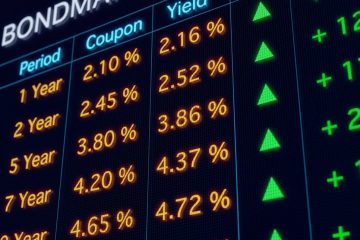
Credit investors are increasingly acquiring riskier debt, wagering that Iran and the US can prolong their truce, while moving away from the safe havens they have preferred since the onset of the conflict in late February. During the initial fortnight of April, there was a net acquisition of $500 million in bonds classified within the lowest tier of investment grade, while a substantial divestment of $7.3 billion occurred in the higher tiers, as reported by JPMorgan Chase & Co. That contributed to the superior performance of BBB bonds relative to higher-rated notes, narrowing the spread between BBB and A corporate bonds to the tightest level observed since prior to the conflict. The superior performance of these somewhat riskier bonds may be attributable to several underlying factors. According to an analysis, companies with a BBB rating have surpassed the average forecasts set by analysts more frequently than those rated A. Market participants are optimistic that negotiators can establish a more enduring peace in the Middle East, while also anticipating that firms at the lower end of the investment-grade spectrum will continue to demonstrate robust performance. “There is some value in the BBB space and issuers there have been good stewards of the balance sheet and generally improving credit quality,” stated Gene Tannuzzo.
Investors have been acquiring junk bonds, albeit with a preference for those at the higher-rated end of the spectrum. This behavior suggests that money managers continue to perceive risks on the horizon, even as their outlook becomes moderately more optimistic. Currently, the overall spreads for junk bonds have reached their narrowest point since the onset of the conflict, averaging 2.72 percent as of Thursday’s close. On Thursday, cloud infrastructure provider CoreWeave Inc. accessed the US junk-bond market for the second time within a week, issuing $1 billion in additional debt subsequent to a successful raise of $1.75 billion. High-yield bonds experienced an inflow of $2.8 billion this week, marking the largest sum recorded since June of the previous year, as reported by Lipper. In the high-grade market, first-quarter results to date support the perspective that companies have managed to endure the energy shock. Among the initial 100 companies to disclose their results, those classified within the BBB band by S&P Global have exceeded analysts’ average earnings expectations by 9.3 percent, according to the data available. 6.2 per cent of firms are rated A or above.
Corporate earnings expectations have persistently increased in the face of ongoing conflict, as lower-rated firms report early earnings beats, thereby rekindling optimism surrounding artificial intelligence. Indeed, positions on BBB issuers are increasingly saturated, as evidenced by their spread to A counterparts in the US reaching its lowest point since prior to the conflict. “We view BBBs as rich,” stated Tony Trzcinka. Energy firms represent approximately 10 percent of the BBB corporate index, in contrast to merely 3 percent of their A-rated counterparts. This also elucidates the reasons behind the outperformance of the former. Entities with significantly increased debt levels are raising alarms. Notably, Oracle Corp., which holds a BBB rating, has issued $120 billion in bonds to finance a debt-driven and yet unproven bet on AI, positioning itself as the largest borrower in the US high-grade corporate bond index, excluding banks. Tannuzzo expresses caution regarding firms that are swiftly augmenting their leverage to fund AI initiatives, while identifying potential value in the utilities, energy, and telecommunications sectors. Similarly, Jon Curran is seeking firms that are reducing their debt levels and issuers that possess robust balance sheets and solid positions within their industries.
Meanwhile, negotiations to conclude the conflict are in progress, with certain Gulf Arab and European leaders cautioning that a peace agreement may require approximately six months to finalize, although President Donald Trump has asserted that he has secured significant concessions. On Friday, Iran announced its intention to open the Strait of Hormuz for the duration of a 10-day ceasefire between Israel and Hezbollah in Lebanon, thereby enhancing the likelihood of a broader peace agreement. These optimistic indicators are sufficient to activate purchasers in both secondary and primary credit markets. This week, borrowers in the high-grade US market issued nearly $58 billion in bonds, primarily driven by banks, surpassing expected issuance by over 40 percent. In Europe, banks and insurers have secured the highest volume of capital from junior-ranked bonds since prior to the conflict. “Demand has kept pace with elevated issuance, with the market absorbing supply in an orderly way,” Curran stated.