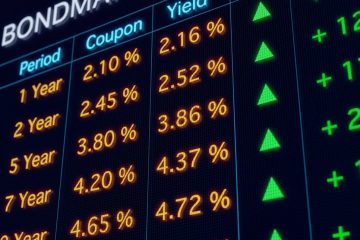
Analysts expect yields to remain high after West Asia conflict
Despite the concerns surrounding inflation linked to war, indications suggest that other factors are equally influential on the trajectory of long-term borrowing costs. In the United States, real yields, which account for inflation, have exerted a more significant influence, suggesting that bond investors are concerned beyond merely the price pressures stemming from the conflict in Iran.
Other culprits include indications that existing substantial public debt burdens will increase even further, repercussions from the AI investment surge, and the growing likelihood that central banks, including the Federal Reserve, will opt to raise interest rates rather than reduce them. The speculation, Goldman Sachs Group, and Barclays Plc, suggests that the recent increase in certain long-term yields is unlikely to fully reverse, even in the event that inflation driven by rising oil prices diminishes.
“The argument that duration is selling off globally due to inflation fears is hard to square with market pricing of medium- and long-term inflation risk,” stated Jonathan Hill. The so-called neutral rate represents the equilibrium point at which economic activity is neither stimulated nor restrained.