US Tightens Grip on Venezuela’s Oil in Landmark Energy Deal
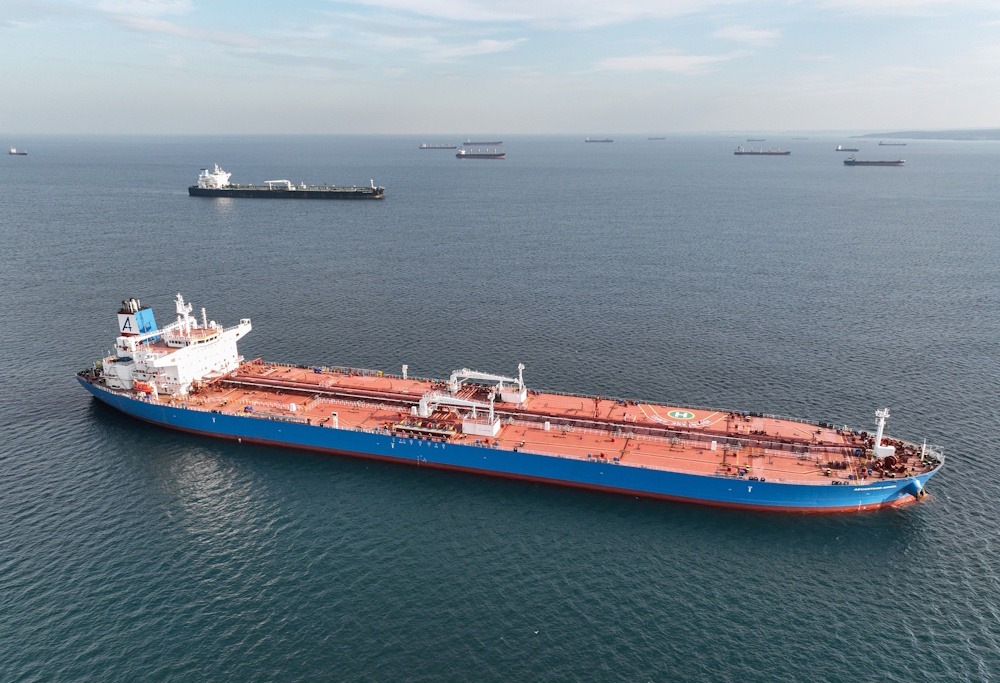
The US outlined strategies to exert increased oversight over a private operator as part of a landmark agreement to take control of Venezuela’s oil reserves. This includes the initial right to purchase a substantial portion of its crude output and the authority to veto board member selections. A fact sheet released by the White House on Monday provides the initial public accounting of the agreement first disclosed by President Donald Trump last week, seven months following the capture of long-time Venezuelan leader Nicolás Maduro in a covert military operation. According to the document, the US will have the first opportunity to purchase approximately 80 percent of the oil production from North American Blue Energy Partners, a privately held company that has been granted 100-year concessions on 17 oil fields in Venezuela. The White House stated that crude would be provided at the production cost. NABEP is granting the US State Department the right to purchase a guarantyd 20 percent of its offtake from current and future fields, ensuring stable supplies of cheap oil, according to the fact sheet.
The US will possess veto authority regarding the appointment of any member to NABEP’s board of directors, and a majority of the board must consist of US citizens, as stated in the fact sheet. Trump touted the arrangement, referring to it as “maybe the greatest deal ever made” on Monday, and expressed his intention to utilise the oil to aid in replenishing the emergency US stockpile. “One of the things I want to do with all of that oil that we now have, I want to fill up these strategic reserves, and we’ll get that done fairly quickly,” Trump said in an Oval Office event. “We’re going to be taking that oil out. It’s all coming to the US for refineries,” he added. NABEP stated its intention to increase production from its operations in Venezuela’s Lake Maracaibo and Orinoco Belt to exceed 1 million barrels of oil per day – a challenging goal in a nation where the current daily output hovers around 1.1 million barrels.
The US-Venezuela oil deal represents the outgrowth of a Trump policy of expanding influence in the Western Hemisphere, dubbed the “Donroe Doctrine.” By initiating a new venture under direct US control, the administration aims to bolster producers’ confidence in committing to the development of the 17 oil fields encompassed in the agreement. US officials have clearly stated that taxpayers will not bear the financial responsibility for supporting the venture. Instead, the focus of the deal in the United States is the Pentagon’s Office of Strategic Capital, which will hold a 35 percent equity stake in NABEP’s corporate parent, according to the fact sheet. The White House stated that this represents up to hundreds of billions in value and dividends for the United States. It remains uncertain if any oil company possesses the capability to swiftly enhance Venezuela’s crude production, particularly to the extent that US officials and NABEP are indicating. Despite the nation’s substantial oil wealth – which includes some of the world’s largest proven reserves – a prolonged history of corruption and insufficient investment has resulted in a network characterised by deteriorating pipelines, oil spills, and compromised equipment.
Trump’s deal faces significant political challenges. Questions persist regarding the extent to which the arrangement would be wholeheartedly accepted by a future American president, as well as its resilience in the face of potential political turmoil in Venezuela. Concerns have been raised among certain factions of Venezuela’s opposition regarding a potential agreement between the United States and interim President Delcy Rodríguez. Such a deal could potentially entrench her authority, thereby decreasing the likelihood of a political transition and reducing the impetus for the Trump administration to advocate for change. The White House reaffirmed Monday that it’s supporting political reforms through talks between the current government, which it called the “interim authorities,” and a sector of the opposition. A second round of negotiations is set to begin in September.