China’s Exports Surge 14.1% in April Amid US Tariffs
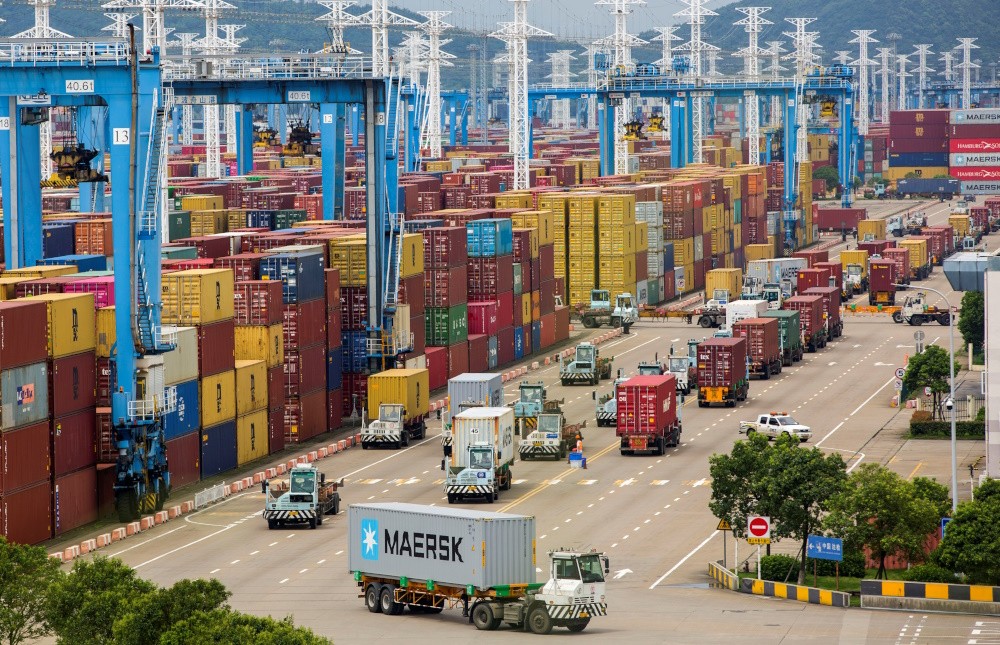
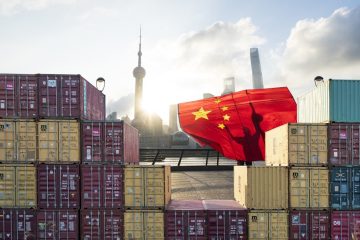
In April, China’s exports experienced a notable increase of 14.1 percent year-over-year, as reported by government sources on Saturday. This growth occurred despite the ongoing conflict in Iran and the sustained impact of high US tariffs. The data were revealed just prior to an upcoming meeting next week between US President Donald Trump and Chinese leader Xi Jinping in Beijing. This exceeded analysts’ expectations and represented a significant improvement from the 2.5 percent year-on-year growth noted in March. Imports rose by 25.3 percent, reflecting a deceleration from the 27.8 percent growth recorded in March, while still demonstrating robust performance.
The summit between Trump and Xi takes place against a backdrop of strained relations, marked by numerous challenges, as the quest for peace in Iran eclipses the usual areas of disagreement. “We anticipate that overall external demand will continue to be a robust catalyst for growth this year,” stated Lynn Song. In March, Chinese leaders set an annual economic growth target of 4.5 per cent to 5 per cent, slightly below last year’s 5 per cent expansion and marking the lowest target since 1991. Export growth is expected to continue propelling the overall economy, especially as shipments from China to Europe, Southeast Asia, Latin America, and Africa have increased in recent months.
Alongside efforts to broker a peace agreement to address the ongoing conflict in Iran, the forthcoming summit between Trump and Xi is anticipated to prominently include dialogues on trade and export regulations, especially in relation to rare earth materials and the technological constraints placed on China. This comes after a year marked by relative stability in US-China trade relations, a condition that was established during their prior meeting in South Korea late last year. Significant advancements in export controls seem unlikely; however, the upcoming meeting of leaders may produce “incremental” measures intended to mitigate trade friction, as noted in a recent research report from HSBC economists. “On balance, China appears to possess greater leverage,” noted Leah Fahy, in a commentary.
Higher tariffs have not deterred the continued surge of China’s exports over the past year, and Beijing has demonstrated its willingness to endure US pressure. According to Wei Li, the war in Iran has led to increased oil and fuel prices, which in turn are contributing to rising manufacturing and logistics costs in China’s numerous factories. Furthermore, heightened global inflation could adversely affect consumer purchasing power in China’s international markets. Nonetheless, China’s overall economy has exhibited resilience relative to other nations, owing to its significant oil reserves and a broader spectrum of energy sources.