US court dismisses Musk’s xAI lawsuit against OpenAI
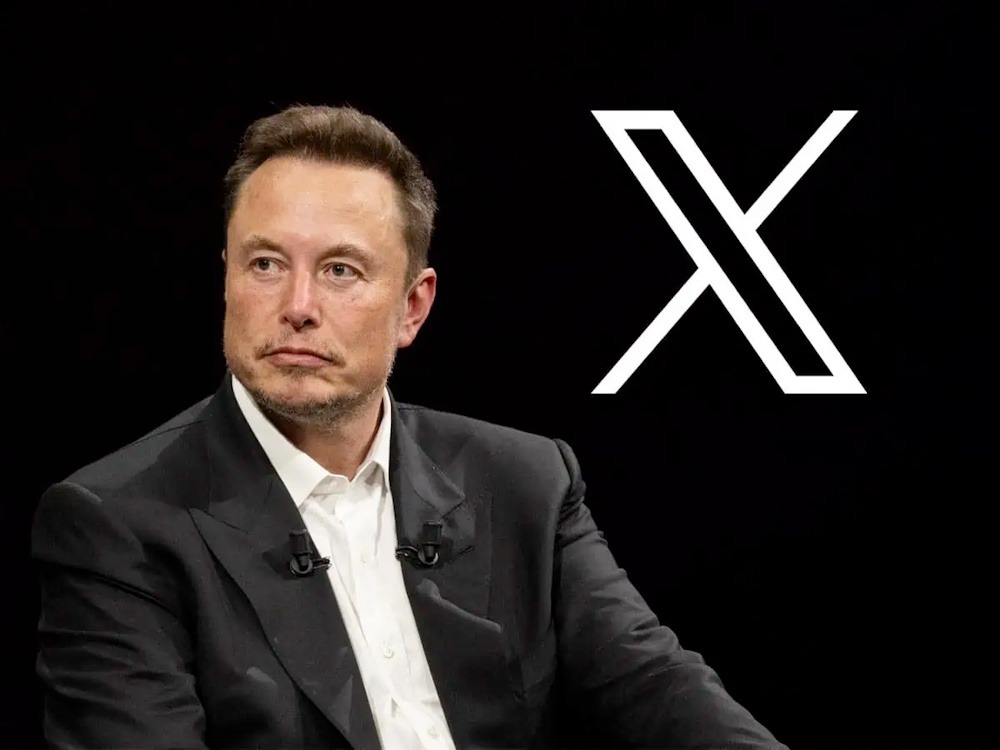
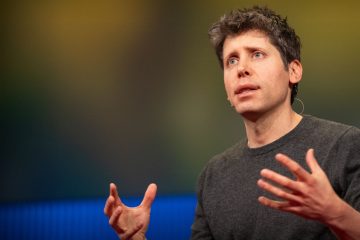
A federal judge dismissed a lawsuit on Monday involving Elon Musk’s artificial intelligence company xAI, which accused rival Sam Altman’s OpenAI of misappropriating trade secrets related to chatbots. US District Judge Rita Lin in San Francisco stated that xAI did not demonstrate that OpenAI encouraged former xAI senior engineer Xuechen Li to reveal confidential information pertaining to its Grok chatbot, nor did OpenAI engineers have knowledge that Li could have disclosed any such information. Lin dismissed the lawsuit with prejudice, stating that it would be “futile” to proceed further. She disregarded a previous iteration in February. The lawsuit, initially filed in September, centred on the broader claims of misappropriation of confidential information, which included source code, as xAI employees transitioned to positions at OpenAI.
Monday’s decision marks Musk’s second legal setback against OpenAI within a span of four weeks. On May 18, a federal jury delivered a verdict unfavourable to the world’s wealthiest individual in a $150 billion lawsuit. The case accused OpenAI and Altman of “stealing a charity” by deviating from the company’s foundational mission as a nonprofit to pursue personal enrichment. The xAI business operates within Musk’s portfolio, which includes his ventures in rockets, satellites, and artificial intelligence through SpaceX. Neither xAI nor its legal representatives provided an immediate response to the enquiries for comment. OpenAI stated on Monday: “This baseless lawsuit was never anything more than yet another front in Mr. Musk’s ongoing campaign of harassment.” It issued the same statement following February’s dismissal.
Discussing previous employment is a standard practice. The revised complaint centred on a presentation delivered by Li during OpenAI’s recruitment process. Musk’s company stated that OpenAI sought confidential information regarding the July 2025 launch of Grok 4, aware that its upcoming update to ChatGPT “could not compete” in terms of complex reasoning, and because OpenAI was “lagging” in reinforcement learning and post-training methods that Li comprehended. However, the judge indicated that it is standard practice to request job candidates to elaborate on their previous employment, and it cannot be concluded that OpenAI coerced Li into disclosing any confidential information.
“To hold otherwise would potentially expose employers to liability any time they inquire about a candidate’s past work,” Lin wrote. OpenAI has stated that Li was never employed by the company and that it did not obtain any secrets from xAI. In their pursuit of dismissal, OpenAI’s legal team stated: “OpenAI does not need or want anyone’s trade secrets, especially not from xAI, which is failing in the marketplace and hemorrhaging talent.” Li is facing a separate lawsuit from xAI and has asserted that there has been no wrongdoing on their part.