OpenAI CEO Sam Altman: No ‘Jobs Apocalypse’ from AI
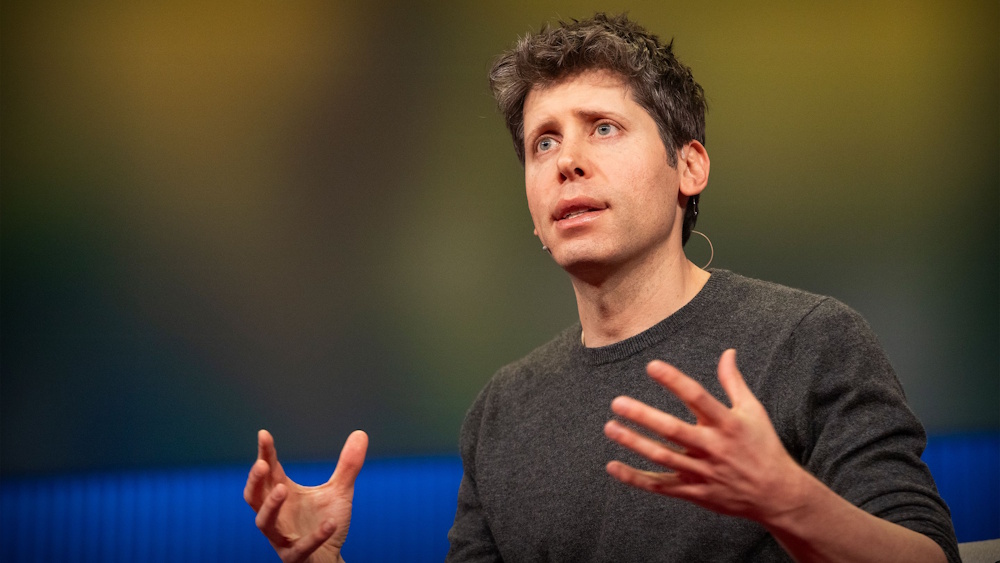
OpenAI CEO Sam Altman stated on Tuesday that the swift progression and integration of AI would not result in a worldwide “jobs apocalypse,” noting that the technology had not taken as many white-collar positions as he had initially anticipated. Speaking virtually at a Commonwealth Bank of Australia conference in Sydney, Altman expressed his initial concerns regarding the potential effects of AI on global employment levels. He stated that he and his executives had been “roughly right” regarding the technological predictions made by OpenAI at the launch of ChatGPT in 2022. However, he stated that they were “pretty wrong” regarding the social and economic implications. “I’m pleased to be mistaken regarding this matter; I anticipated a greater effect on the elimination of entry-level white-collar positions by this point than has actually occurred,” Altman remarked during an interview.
“I now believe I have a clearer understanding of why it hasn’t occurred, and I am certainly appreciative; however, that is a domain where my intuitions were simply misguided. Individuals often express that there could have been a reduction in fear mongering and a pervasive sense of doom and gloom. However, at that moment, my perspective was that this represented a genuine risk that warranted discussion, and it remains a possibility.” Altman did not reference any employment figures on Tuesday; however, he has previously discussed the possibility of widespread job reductions across industries as a result of advancements in AI. A growing number of global companies, including HSBC, Amazon, Standard Chartered, and CBA, have announced that certain positions within their organisations are being supplanted by AI technology.
OpenAI is set to confidentially file for a US initial public offering in the near future, according to a report last week, which referenced a source familiar with the situation. The company could be targeting a $1 trillion valuation and seeking to raise a minimum of $60 billion, as reported. Altman noted that despite the growing involvement of AI across various sectors and occupations, there remains an irreplaceable ‘human part’ of employment. He mentioned that he had been utilising AI to manage responses to Slack and email communications but had returned to personally addressing some of them. “I had it reply to messages, saying ‘this is Sam’s AI’ and it was an impressive demonstration of our genuine concern for individuals,” he stated.
“We really do care about our interactions with people and this thing, which is a huge amount of my time, is not something that I can imagine myself outsourcing to an AI anytime soon.” That realisation, he stated, led him to believe that the human interaction necessary in numerous occupations would not be supplanted by AI. “It really, in both positive and negative ways, updated me to thinking that the jobs picture is likely to be very different than we thought,” he said. “I don’t think we’re going to have the kind of jobs apocalypse that some of the companies in our space advocate or talk about.”