AI demand uncertainties damaged Samsung shares despite 19-fold profits
Samsung Electronics on Tuesday reported a 19-fold increase in second-quarter operating profit compared to the same period last year, exceeding its total earnings from the previous three years. However, its shares declined as the results did not alleviate worries regarding the sustainability of the AI-driven chip boom. The world’s largest memory chipmaker estimated April-June operating profit at 89.4 trillion won, surpassing an LSEG SmartEstimate of 87.3 trillion won, as detailed in a regulatory filing. It reported a profit of 4.7 trillion won in the previous year. Revenue is projected to increase by 129 percent, reaching 171 trillion won compared to the previous year, according to the report. Samsung shares experienced a decline of up to 7.9 percent during morning trading, while competitor SK Hynix saw its shares fall by as much as 7.3 percent, contributing to a 6 percent drop in the benchmark KOSPI. Analysts attributed the stock’s weakness to elevated market expectations that profits, driven by record memory chip prices, could surpass 90 trillion won even after accounting for provisions for staff bonuses, alongside concerns that the rollout of AI data centres may encounter delays.
“Samsung’s strong earnings were widely expected and had largely been priced in after its shares rallied ahead of the results,” said Albert Yong. “Investors remain concerned about the sustainability of the AI boom and the risk of slower AI infrastructure spending by major US technology firms.” Memory chip prices experienced an upward trajectory throughout the quarter, driven by an expansion of AI expenditures that extended beyond high-bandwidth memory into traditional DRAM and NAND products. Samsung’s profit surged even as it allocated funds for substantial bonuses to its semiconductor workers, in accordance with a wage agreement established in May that ties their compensation to operating profit. “Samsung posted better-than-expected earnings despite bonus-related provisions, as memory prices rose sharply,” said Lee Min-hee. Analysts indicated that, absent those provisions, the operating profit would likely have surpassed 100 trillion won. Jeff Kim, indicated that the memory chip shortage is expected to intensify in the current year and the following year, as the expansion of capacity will be constrained while demand continues to exhibit robust strength. “Samsung’s profit will continue to grow sequentially in the third quarter and fourth quarter. The key is how sharply they will grow,” he said.
Analysts indicated that the swift expansion in HBM production has constrained the supply of traditional memory products utilised in smartphones, PCs, and enterprise servers, thereby reinforcing price levels. Citi Research last week reported that average selling prices for DRAM and NAND increased by 44 percent and 53 percent quarter-on-quarter, respectively, in the second quarter. Analysts noted that customers are increasingly pursuing longer-term supply agreements, which reinforces expectations that memory prices will remain elevated for an extended period, thereby benefiting manufacturers like Samsung that possess substantial production capacity. Samsung’s memory business is anticipated to deliver another quarter of robust earnings; however, analysts indicate that losses in its foundry and logic chip sectors are expected to increase due to the allocation of bonus expenses across the semiconductor division. Samsung is set to disclose comprehensive results on July 30, which will encompass a detailed breakdown of earnings across its various business divisions. Looking ahead, analysts indicated that the most significant risk to the memory boom would be a deceleration in investments related to AI infrastructure.
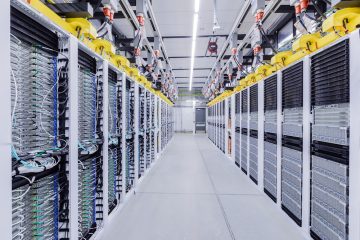
Delays in US data centre construction, attributed to labour shortages, power constraints, or local opposition, may ultimately diminish demand throughout the AI hardware supply chain. Investors have expressed apprehension that major technology firms may be compelled to incur substantial debt to finance AI infrastructure, the returns of which remain uncertain. This scenario could potentially suppress demand for chips. Goldman Sachs indicated in a recent report that it anticipates the total capital expenditure related to AI by the four largest hyperscalers – Meta, Microsoft, Amazon, and Alphabet – will amount to $5.3 trillion from fiscal 2025 to 2030, highlighting the ongoing expansion in AI infrastructure investment. While memory has historically been characterised by boom-and-bust cycles, some analysts contend that the current sustained growth is evolving into a more structural phenomenon as AI demand surpasses the industry’s capacity to scale production. Establishing new memory fabrication facilities requires a significant amount of time, which constrains supply expansion despite the ongoing increase in AI investments by hyperscale companies. Samsung last week revealed intentions to allocate 2,100 trillion won in South Korea by 2040, while indicating that expenditures would be modified in response to market dynamics and operational requirements.