Apple overtakes Nvidia as the most valued firm
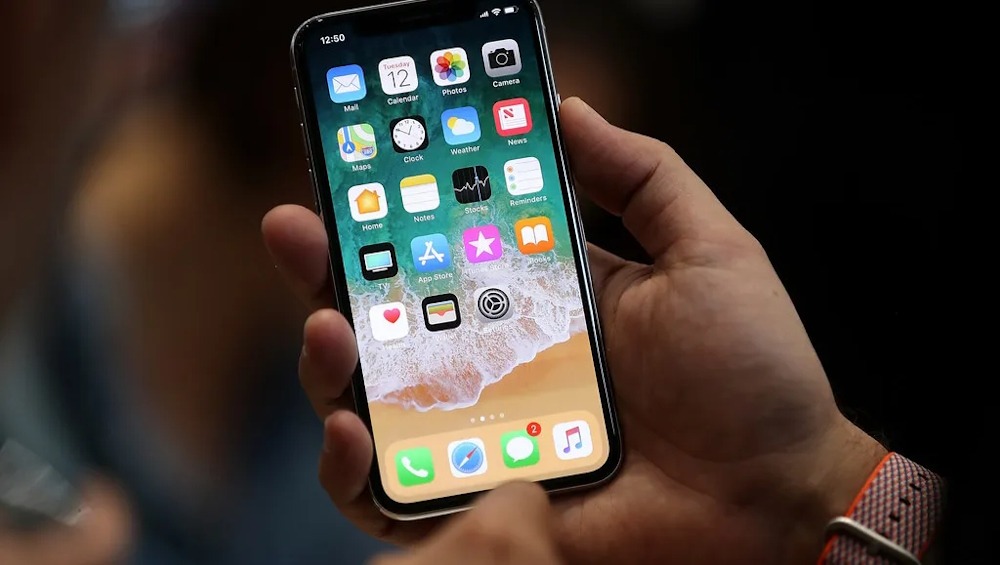
After a spike in its share price increased its market worth to over $4.95 trillion, Apple overtook Nvidia on Monday to become the most valuable listed company in the world, according to a source. This development arises while Apple persists in allocating significantly fewer resources towards artificial intelligence infrastructure compared to numerous competitors within the Big Tech sector. Nvidia, whose valuation had surged on the back of the AI boom, saw its shares decline by 5 percent during the session, resulting in a market capitalisation of approximately $4.77 trillion. Apple and Nvidia have been engaged in a fierce competition for market leadership in recent weeks. Apple had briefly advanced on July 17, but Nvidia quickly reclaimed its position at the forefront. The AI chipmaker had maintained its leading position for nearly a year, propelled by robust demand for its graphics processing units, which are essential for powering AI models. In October 2025, Nvidia achieved the milestone of becoming the first company to surpass a market value of $5 trillion. Monday’s decline in Nvidia shares further expanded the disparity between the two companies.
Nvidia’s stock faced downward pressure following reports that cast doubt on the escalating expenses associated with AI infrastructure initiatives. According to source, Nvidia is in discussions regarding a financial guarantee amounting to approximately $250 billion for an OpenAI data centre initiative in Ohio. The guarantee would assist the project in securing funding; however, discussions remain ongoing, and the final terms may be subject to alteration. The report heightened investor apprehensions regarding the escalating financial obligations associated with AI expansion. In contrast to Alphabet, Microsoft, Amazon, and Meta, Apple has adopted a distinct strategy regarding its expenditures on artificial intelligence. The company has curtailed its capital expenditure over the past three quarters concerning data centres and AI infrastructure. This strategy had previously attracted criticism, as certain analysts indicated that Apple was lagging in the AI competition. However, the company’s recent increase in market value has redirected focus towards the advantages of maintaining disciplined spending.
Apple has persistently broadened its AI portfolio while not aligning its expenditure with that of cloud computing firms. At its Worldwide Developers Conference in June, Apple introduced a reimagined Siri driven by artificial intelligence. The updated assistant is capable of engaging in more natural conversations, comprehending personal context, and interacting with the information displayed on a user’s screen. The launch occurred following postponements in the introduction of AI features that were initially disclosed in 2024. Apple states that numerous AI tasks are executed directly on users’ devices, whereas more sophisticated requests are managed via its Private Cloud Compute system. In June, the company broadened the scope of this cloud-based system to extend beyond its proprietary data centres.
Investors will be attentive to Apple’s fiscal third-quarter earnings, set to be revealed following the closure of US markets on July 30. The results will mark the initial assessment following Apple’s introduction of its latest Siri and Apple Intelligence features. In the previous quarter, Apple reported revenue of $111.2 billion, reflecting a 17 percent increase compared to the same period last year. Earnings per share increased by 22 percent to $2.01, with iPhone sales for the March quarter achieving a record high and services revenue reaching an unprecedented level. The company has not disclosed a distinct expenditure objective for Apple Intelligence.