Apple’s Control Could Stifle AI Growth Under Ternus
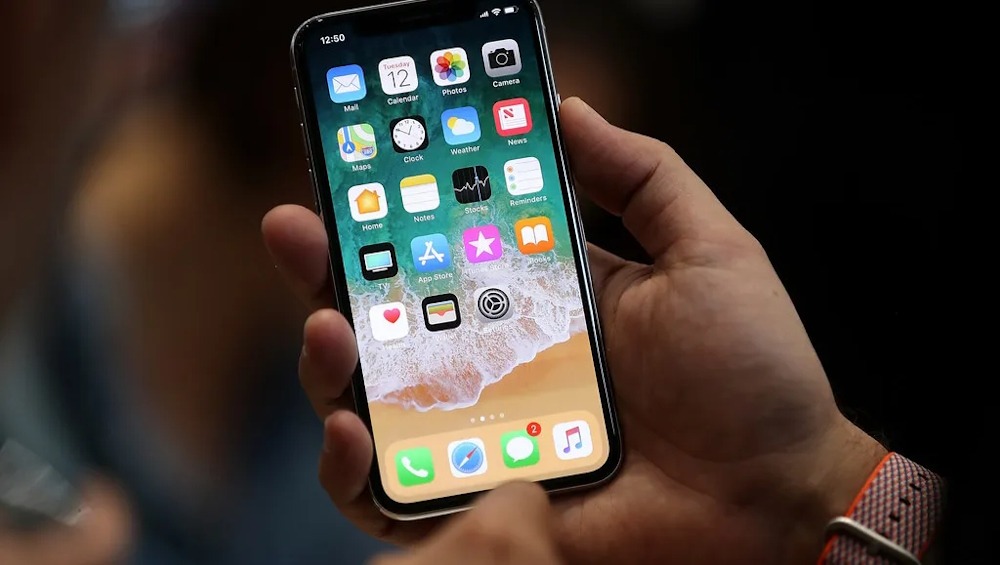
For decades, the company’s meticulously controlled ecosystem, encompassing custom chips, proprietary operating systems, and carefully selected apps, produced devices that were both secure and user-friendly. This strategy facilitated the transformation of the iPhone into the most successful consumer product ever, yielding nearly $210 billion in revenue in the previous year. Apple has held the title of the world’s most valuable company for a significant portion of the last ten years, a status that was only surpassed by the artificial intelligence chipmaker Nvidia in 2024. As John Ternus prepares to assume the role of CEO at Apple this fall, succeeding Tim Cook, he will encounter a pivotal challenge that is crucial for the company’s continued relevance in the era of artificial intelligence. This situation will scrutinize the boundaries of Apple’s strategy regarding the selection of applications and services permitted to utilize its hardware. The prevailing surge in AI innovation has been predominantly fueled by a culture of openness: rapid iteration, extensive developer accessibility, and tools that function seamlessly across various platforms. Firms like OpenAI, Google, and Meta have introduced models that occasionally diverge in unexpected ways yet demonstrate consistent and noticeable improvement, drawing in developers and users at a rate that surpasses most conventional product cycles. Apple has demonstrated a prudent approach, which comes as no surprise.
Cook, a steadfast guardian of the vision set forth by Apple co-founder Steve Jobs, has underscored the importance of privacy and quality, which are achievable only through stringent oversight. This restraint has cultivated trust among users; however, it has also rendered the company susceptible to antitrust scrutiny both domestically and internationally. This includes ongoing litigation with the creator of “Fortnite,” Epic Games, as well as new regulations from the European Union that compel Apple to facilitate increased competition on its devices. The tension has escalated with the rise of AI, as the current boom favors rapidity and a willingness to experiment. “By choosing a hardware leader in John Ternus, Apple may be signaling that it still believes the future of AI will run through tightly integrated devices, not just software,” said Timothy Hubbard. That could be a prudent strategy; however, it also introduces a more profound risk: the very attributes that established Apple’s dominance—discipline, polish, and control—may transform into limitations if the forthcoming era favors openness and rapid iteration. The genesis of Apple’s success lies in its rapid innovation, and perhaps a return to that foundational principle is necessary for the company’s future trajectory. Beginning with Jobs, who revitalized a struggling Apple in the late 1990s, followed by Cook, who transformed Apple’s services division into a $110 billion annual revenue generator, the Cupertino, California-based company has demonstrated that cohesive integration fosters lasting customer loyalty and sustainable profits.
Currently, Ternus faces the significant challenge of integrating AI into Apple’s robust ecosystem, particularly as a more open approach gains traction globally. OpenClaw serves as a prime illustration of software capable of managing a multitude of AI “agents” tasked with executing intricate functions typically performed by humans. Its adoption has proliferated across China, encompassing a diverse user base that includes both schoolchildren and grandparents. However, OpenClaw also exemplifies the potential hazards associated with transparency. The software is still in its nascent stage, possesses security flaws, and has the potential to undertake concerning actions, such as revealing private financial data on the public internet. The tensions it reveals are precisely those that Apple has consistently aimed to circumvent. Ternus has articulated that Apple prioritizes the shipment of products over raw technologies like OpenClaw, which may generate excitement but fail to become everyday essentials akin to the iPhone.
Apple has, however, indicated a certain openness to utilizing AI technology created by competitors when necessary. In January, a deal was struck with Google to utilize its Gemini AI models, aimed at enhancing the capabilities of the Siri virtual assistant. According to Hubbard from Notre Dame, Apple might benefit from adopting strategies similar to those employed by Nvidia. Last month, Nvidia announced its intention to take OpenClaw’s open-source software and adapt it into a product named NemoClaw. This new offering will incorporate safeguards and limitations to ensure that the OpenClaw methodology can function effectively within a business context. Gene Munster, a longtime Apple analyst and investor at Deepwater Asset Management, stated that Ternus’ emphasis on quality might enable him to reshape the narrative surrounding Apple in a manner akin to Cook, who demonstrated that the substantial expansion of the services sector revealed additional dimensions to Apple’s financial success beyond the iPhone.”Staying true to Apple’s culture should allow Apple to pursue AI more aggressively without compromising on quality,” Munster wrote in a note to clients.