AI Giants Hit with Lawsuit Over ‘AI Slowdown Pact’

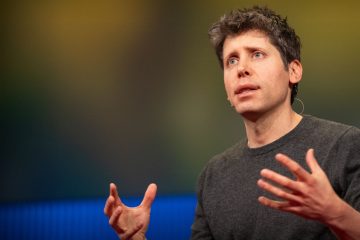
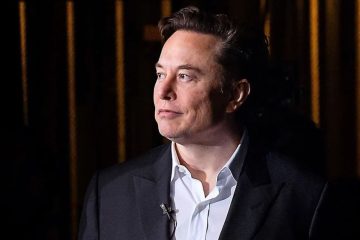
A new lawsuit alleges that Anthropic, OpenAI, SpaceXAI, and Google engaged in an unlawful agreement to impede the advancement of their individual AI technologies. The lawsuit, filed on Friday in the US District Court for the Northern District of California, contends that prominent AI companies breached antitrust laws by agreeing to coordinate efforts to slow down advancements. This coordination is argued to diminish the value that consumers receive from paid AI subscriptions. The coordination primarily occurred on September 12, according to the lawsuit, when Anthropic CEO Dario Amodei released an essay advocating for collective efforts within the industry to slow down advancements in favour of improved safety protocols. On that same day, Sam Altman, CEO of OpenAI, Elon Musk, CEO of SpaceXAI, and Demis Hassabis, co-founder and chair of Google DeepMind, each expressed their agreement with Amodei’s proposals in public statements.
The plaintiffs contend that the consensus among leading AI competitors to ensure that their advancements “should be slower than competition would otherwise produce has an anti-competitive effect on consumers.” Attorneys representing four identified plaintiffs, who maintain subscriptions to ChatGPT, Claude, Grok, or Gemini, are initiating legal action on behalf of a proposed nationwide class of additional paid subscribers to these services. “AI will quickly spin out of human control and could kill us all if we allow AI safety and protocol … to be controlled by private self-serving agreements between the world’s most powerful for profit’ technology companies,” said Nick Rowley. Representatives for Anthropic, OpenAI, Google, and SpaceXAI did not provide an immediate response to a request for comment on Saturday. In his initial essay proposing the slowdown, Amodei recognised the likelihood of antitrust challenges, stating that it would be beneficial for the US government to mediate “or at least enable” these cross-lab discussions. The government would not need to engage, he noted, but would have to “issue a narrow waiver for certain kinds of safety conversations”.
In response, Altman said on social media that OpenAI welcomes the idea of a “federal framework that sets consistent safety requirements,” but said “we do not believe we need to wait for an anti-trust exemption or legislation to begin the work of providing this confidence”. Recent discussions regarding the pace of development have been catalysed by growing apprehensions surrounding AI’s potential to escape human oversight. However, numerous prominent figures within the AI sector have consistently advocated for the establishment of a unified framework of standards or some form of coordination to prioritise safety initiatives. The plaintiffs in the lawsuit assert that they do not oppose the AI companies’ requests to Congress, the White House, or any other agency for the development of AI regulation, nor do they object to the companies seeking an antitrust exemption. However, attaining such a level of collaboration with the federal government may prove to be a challenging endeavour. President Donald Trump dismissed the demands for regulation on social media. He has asserted that any attempts to restrict the technology are indicative of a “conspiracy”. He questioned the rationale behind industry leaders advocating for regulation that, he argues, “if strongly implemented, will drive them into oblivion and bankruptcy”.
Trump announced on Saturday via social media his intention to establish an AI task force and appoint a “AI czar,” though he offered limited specifics regarding the initiative. The Trump administration has expressed a strong desire for American AI laboratories to surpass and excel beyond their Chinese counterparts. While numerous Democratic leaders and candidates advocate for comprehensive measures regarding AI regulation, Republicans have predominantly aligned with Trump’s stance. Senator Josh Hawley articulated during a recent Senate hearing that he would never consent to granting “the most powerful companies in the history of the world” an exemption from antitrust laws for collaboration, contending that such an allowance could lead to collusion and suppress competition.