US Economy Thrives Amid Iran War
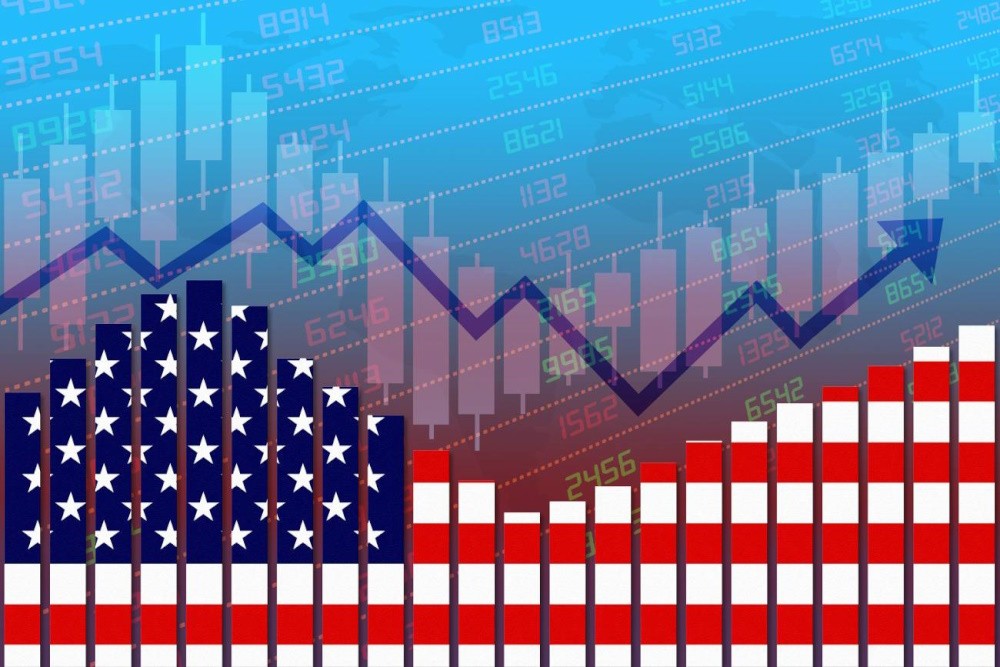
The US economy gained momentum at the start of the year as the United States and Israel initiated a destabilizing conflict with Iran, which has driven prices higher and continues to unfold. The Commerce Department reported Thursday that gross domestic product, which reflects the total output of goods and services in the economy, recorded a 2% annualized rate for the January-through-March period, a significant increase from the fourth quarter’s 0.5%. That was marginally below the 2.3% rate that economists had anticipated in a survey. The GDP is modified to account for seasonal fluctuations and inflationary effects. The US economy experienced growth in the first quarter, driven by strong consumer spending, a significant increase in business investment, rising exports that contribute to GDP, and the resumption of government spending following the longest government shutdown on record in the previous quarter.
A crucial indicator of fundamental demand in the economy saw a significant increase in the first quarter of the year. The first-quarter figure indicates that the economy is entering the Iran war on a solid foundation, supported by increased tax returns that mitigated the initial rise in fuel prices. To date, numerous companies have reported strong first-quarter earnings. Although the conflict in Iran initially unsettled investors, the stock market ultimately recovered, with major indexes now reaching or approaching record highs. However, the Middle East conflict has now entered its ninth week, and economists widely concur that the prolonged duration will result in increasing harm to the US economy. The situation is also leading the Federal Reserve to postpone any additional rate cuts, as global oil prices remain significantly above $100 a gallon, thereby sustaining elevated gas prices in the US. “As long as the economy continues to grow and companies are able to grow earnings, we can see higher stock prices even in the face of higher energy prices and inflation,” said Chris Zaccarelli. “However, as the war continues, investor anxiety may increase, leading to potential pullbacks as concerns fluctuate.”
Consumer spending, representing approximately two-thirds of the US economy, increased at an annualized rate of 1.6% in the first quarter, a slight decline from the fourth quarter’s 1.9%. The rise was solely attributed to expenditures on services, in contrast to goods, which saw a slight decline during the quarter. However, when considering the 4.5% increase in prices during the quarter, real spending was, in fact, down at the beginning of the year, reflecting an adjusted rate of -2.5%. Nonetheless, the economy received a significant uplift from businesses, with their spending increasing at an impressive annualized rate of 10.4% in the first quarter. That marked a significant increase from 2.4% in the fourth quarter and represented the highest rate of growth since mid-2023. The increase was solely driven by business investment in equipment and software, indicative of continued investments in AI, according to economists.
However, some argue that these robust investments might be concealing weaknesses in other areas of the economy. “The AI build-out will continue to support investment,” stated Oliver Allen. “(But) investment elsewhere will continue to be lackluster.” Meanwhile, real final sales to private domestic purchasers — referred to as “core GDP” and often seen as a good indicator for where the economy is headed — posted an annualized rate of 2.5% in the first quarter, up from the prior quarter’s 1.8%. “This is still an AI‑driven economy,” stated Olu Sonola in commentary released on Thursday. “The longer the conflict with Iran drags on, the greater the risk that higher energy prices continue to push inflation up and ultimately dampen growth.” He added “For the US consumer, any boost from tax refunds is likely to be wiped out by higher oil prices if they persist.”