Rising Shipping Costs Squeeze China’s E-Commerce Giants
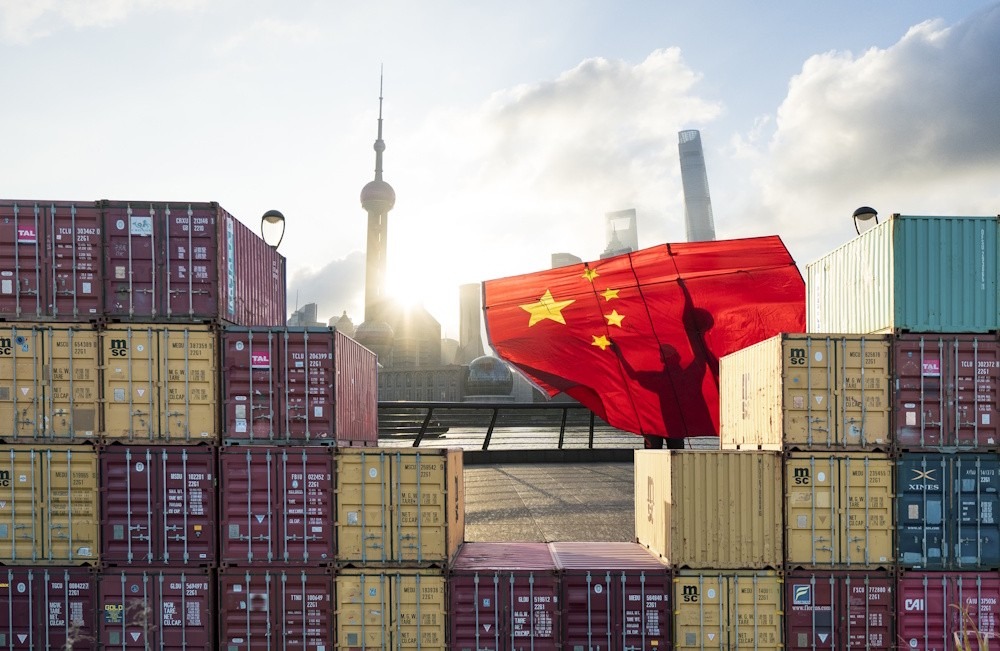
China’s e-commerce export engine is experiencing challenges as rising jet fuel costs and diminished demand from lower-income consumers in the West, attributed to the Iran war, pose risks to profitability for major players Online platforms such as Temu, Shein, and AliExpress. The business models, which rely on shipping $5 dresses from Chinese factories to consumers globally, were already facing challenges after US President Donald Trump implemented tariffs and eliminated customs waivers on low-value parcels last year. Rising logistics costs due to the West Asia conflict are intensifying pressure, according to data and industry experts, as carriers such as DHL Express implement significant fuel surcharges. China’s low-cost e-commerce exports, which have experienced significant growth over the past six years, saw a decline of 10.9% in April, totalling $9.81 billion. This marks the fifth consecutive month of year-over-year decreases, as indicated by an analysis.
Diana Qiao indicated that she had increased her selling prices by $2 due to an average rise of $1 in her shipping cost per garment. “The final burden is ultimately borne by consumers,” said Qiao, noting that the increase was necessary to safeguard her profit margins. While sales have experienced a slight decline, she does not currently perceive a need to alter her shipping arrangements. Declining export values signal not only the pressure on costs but also suggest that the period of rapid expansion for major low-cost retail platforms might be coming to an end, according to insights from industry experts and analysts. They are likely increasing the volume of products transported in bulk to warehouses for local dispatch instead of relying on direct flights from China, stated Frederic Horst, managing director of Trade and Transport Group. “It would make sense given the air freight cost relative to the value of the product,” he said. “If you’re buying a top that is 300-400 grams you’re getting to the stage where air freight is 60% of the cost.”
Shein has been increasing its warehouse capacity in Europe, having opened its third warehouse in Cannock, near Birmingham in Britain last month. A spokesperson informed that the company continues to prioritise “maintaining value-for-money pricing for consumers and providing a stable environment for sellers and consumers despite the volatility in global transportation costs.” Platforms are experiencing a decline in demand as their business reaches maturity. Exports remain considerably elevated compared to two years prior, and the beginning of 2025 was characterised by notable frontloading in anticipation of US tariffs. However, regaining the growth experienced in previous years will prove challenging, as Shein and Temu have captured substantial market share, and rising petrol prices are straining household budgets in both the US and Europe.
The European Union is preparing to implement a €3 charge on low-value e-commerce parcels starting July 1. Air freight costs are influential; however, the platforms are currently experiencing a phase of slower growth. Additionally, overseas consumption is declining due to inflation, according to a China-based freight forwarding executive who requested anonymity as he is not authorised to speak to the media. Air freight rates are expected to remain elevated due to jet fuel prices and will require time to decrease, even in the event of a resolution to the Iran conflict, according to Judah Levine. “If the costs stay very high, or even increase further, companies may switch to other modes of transport or hold back some of their shipments,” said Martin Habisreitinger.