Bill Gates aims to meet Xi Jinping to advance global AI safety initiatives
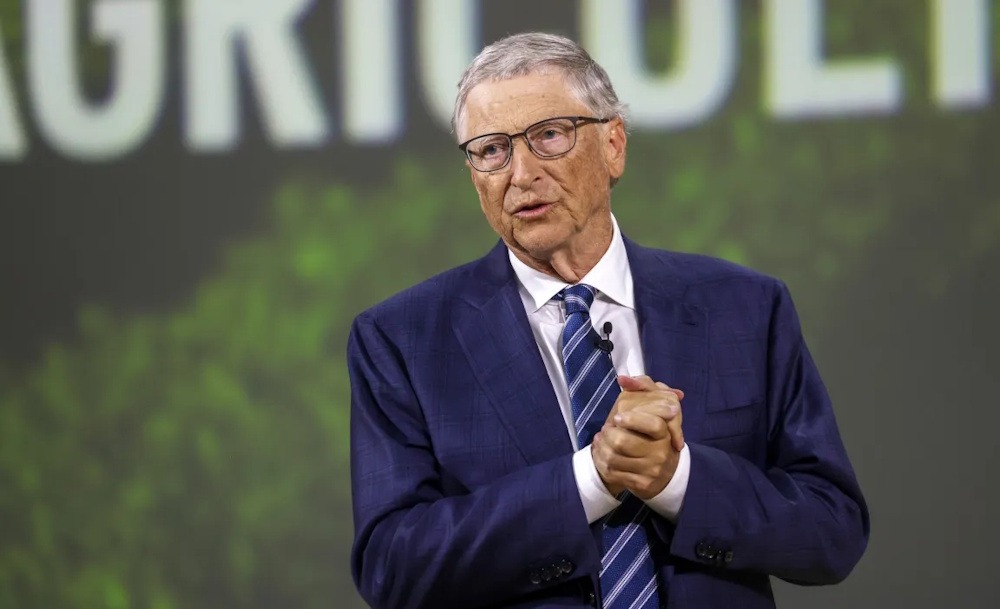
Bill Gates is seeking a meeting with Chinese President Xi Jinping later this year, aiming to propose international initiatives to address the escalating risks associated with artificial intelligence. The Microsoft co-founder and billionaire philanthropist expressed in an interview with Reuters his belief that China may be open to imposing restrictions on the release of potentially hazardous AI models, contingent upon a similar initiative from the United States. “The whole world would go along with that,” said Gates, who met with Xi three years ago, when he was the first foreign entrepreneur to be hosted by the Chinese president post-pandemic. Gates also expressed a desire for countries to oversee AI’s capacity to generate molecules and execute biological attacks – a measure that would not hinder the progress of any technology sector. Gates’ staff are in the process of finalising a meeting with Xi during his upcoming trip to China, as indicated by his spokesperson, with a tentative schedule set for November.
President Xi “might be surprised by how vehement I am,” Gates stated. He stated that China is safeguarding children from AI companion addiction; however, he believes that few leaders worldwide are stepping up to proactively address a multitude of potential risks associated with AI. “Yes, in the past, technology never did this. This time is different. This is like an evolutionary milestone that needs incredible policy management by society as a whole.” Gates expressed a more positive outlook on AI in January; however, he has since grown apprehensive about its potential to execute attacks, displace jobs, and manipulate users psychologically. For instance, technology from OpenAI, Anthropic, and Meta Platforms recently compromised real-world websites during what were intended to be isolated cybersecurity evaluations. “These security incidents are shocking, and they should blow people’s minds,” Gates said. In a blog post on Wednesday, Gates advocated for the establishment of a new international organization to oversee artificial intelligence, incorporating aspects from existing frameworks such as nuclear inspections, international aviation regulations, and agreements aimed at protecting the ozone layer.
To date, the administration of US President Donald Trump has exerted a degree of influence over the allocation of advanced AI models like Anthropic’s Fable 5; however, it is at the state level where a greater extent of regulation has been observed. While numerous technology executives, including Meta CEO Mark Zuckerberg, have extolled the advantages of artificial intelligence, a significant number have also voiced apprehensions regarding its potential dangers. Demis Hassabis proposed an organization akin to the Financial Industry Regulatory Authority that could formulate and administer assessments of AI pertinent to national security. Gates concurs with others regarding the necessity for the United States to assume a leadership role, yet emphasises the importance of defining the criteria that would guide any actions taken. “You can use a FINRA-type model, but it’s a silly conversation,” Gates said. “It’s like saying, ‘Should we meet to discuss taxation at this restaurant or this restaurant?'” In his blog post, Gates stated it was the “world’s top priority” to ensure an AI future that does not exacerbate inequality and harm the vulnerable, prioritising this over climate change and health crises. As he seeks high-profile engagements, Gates also informed Reuters of his intention to meet with UK Prime Minister Andy Burnham this autumn.
In February, he cancelled an appearance in India following the release of files related to sex offender Jeffrey Epstein by the US. Gates has stated that he was unaware of the full scope of Epstein’s criminal activities during their philanthropic association. His foundation aims to allocate $200 billion by 2045, with a growing emphasis on artificial intelligence. It is collaborating with Anthropic on AI-driven health assessments for pregnancy, and with OpenAI to assist healthcare professionals in Rwanda, Gates stated. He also will speak to personnel at Anthropic and OpenAI, both of which are preparing for significant IPOs, about impactful giving, he stated. He is contemplating various strategies for addressing social upheaval. He envisioned taxing revenue from companies utilising “tokens” or AI’s outputs to replace labour, which could assist in financing a safety net. He also stated that society ought to allocate up to 40% of existing jobs for humans, emphasising in the blog that the care his father received while battling Alzheimer’s disease was “irreplaceably human.” Gates said community protests centered on data centers were missing a bigger picture. “Wait until you really screw up the job market,” he said.