Anthropic’s AI alert could impact chip stocks
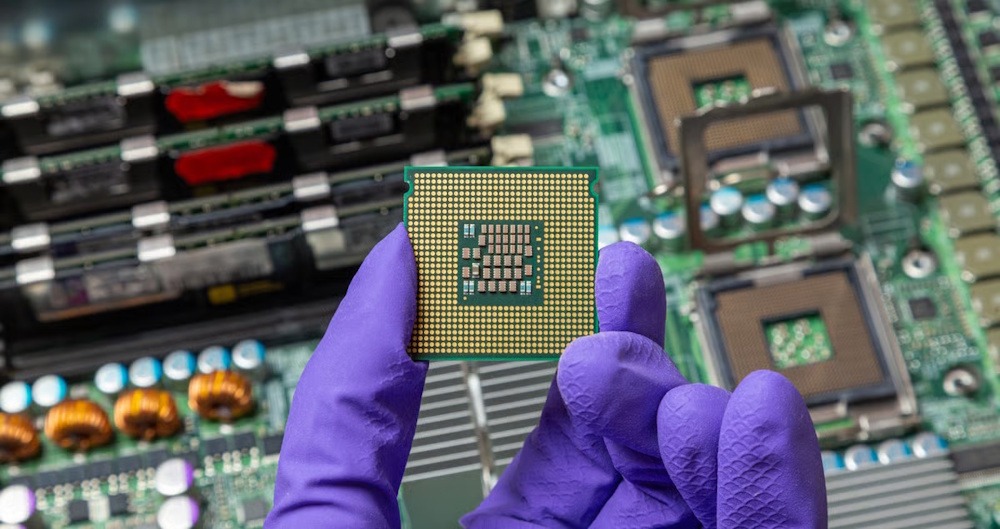
Executives in the AI sector advocating for a deceleration in the advancement of the technology are expected to exert downward pressure on stocks related to chipmakers and supply chains in the short run. However, analysts suggest that the long-term effects will likely be minimal, given the sustained robust investment in computing infrastructure. Semiconductor manufacturers and other stocks associated with artificial intelligence could experience significant pressure during the initial selloff on Monday, as investors evaluate the potential impact of a more conservative strategy in developing advanced models on earnings. Nonetheless, as the demand for chips, energy, and computing power persists in exceeding supply, any signs of weakness are likely to be temporary. Calls for restraint have intensified within the industry, as Anthropic Chief Executive Officer Dario Amodei stated on Saturday that the company plans to implement further safeguards, including independent third-party evaluations, while also urging the wider industry to decelerate the advancement of their most sophisticated models. OpenAI CEO Sam Altman expressed support for the proposal, while xAI’s Elon Musk remarked, “Dario is right.”
Investors such as Gary Tan express scepticism regarding the potential for the latest developments to produce enduring impacts on the industry. “It may cause some short-term pressure, but it’s unlikely to derail the longer-term AI trade,” Tan said. “AI development is still at a relatively early stage, and I’m not sure the rest of the ecosystem is willing to accept the current pecking order and slow down while the technology continues to evolve so rapidly.” Concerns regarding the substantial investments in AI have impacted technology stocks, as investors ponder whether earnings can substantiate the escalating infrastructure expenses. The scrutiny has rendered high-valuation shares associated with technology particularly susceptible, as indications of heightened expenditure or diminished returns provoke selloffs. The tech-heavy Nasdaq 100 Stock index has experienced a decline exceeding 4% from the peak achieved in June, while a measure of chip shares in the US has fallen by 14%, and Asian tech stocks have decreased by nearly 8%.
The benchmark S&P 500 Index and MSCI’s gauge of global shares have both increased by approximately 0.6% during this period. Some investors contend that a more measured tempo of AI advancement might ultimately benefit the sector by affording companies additional time to realise returns from the infrastructure currently under construction. “The three CEOs agreeing to pace things does not really change the money being spent on chips, power and infrastructure. In fact, it extends the development timeline,” said Billy Leung. “If commercialization and adoption keep growing while the pace of new capability eases off a bit, that actually helps the shift from spending money to build things towards making money from what’s already built – e.g., monetization.” Sentiment toward Asian tech firms faced challenges as traders solidified their expectations for a Federal Reserve rate hike this week, alongside an anticipated rise in global borrowing costs this month, which poses a risk to profit margins. Tech stock valuations may face increased scrutiny as they rely on the assumption of robust demand alongside an unyielding rate of model development, according to Charu Chanana.
Nonetheless, the prevailing negative sentiment is expected to be transient, as the impetus for protective measures is likely to catalyse increased investment in cybersecurity and AI monitoring technologies, she stated. According to Chanana, companies involved in memory, networking, cooling, and power equipment are expected to benefit from existing projects that are currently under development. “Demand for computing power and AI adoption does not disappear because additional safeguards are introduced,” she said. “For investors, responsible development may make the AI opportunity more durable, even if the pace of progress becomes slightly more measured.” SK Hynix Inc. contracts began to decline early Sunday on Hyperliquid, a blockchain-based platform that enables users to engage in continuous betting on stocks and other assets through perpetual futures. By 2 p.m. in Singapore, the contracts were experiencing a decline of approximately 2.5% for the day.