Tesla invests $3B in research chip factory, leveraging Intel tech

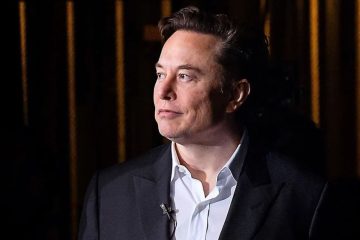
Tesla Inc. intends to allocate approximately $3 billion for the construction of a research chip factory in Texas, as stated by Chief Executive Officer Elon Musk. This initiative marks the initial stage of a broader strategy to develop chip manufacturing on a substantial scale. The research facility is set to be constructed on the electric-vehicle manufacturer’s current Giga Texas campus, as stated by Musk on Wednesday during the company’s quarterly earnings call. The facility is designed to produce only a few thousand wafers monthly, serving primarily as a testing ground for innovative technologies and processes. SpaceX, Musk’s rocket company, is set to spearhead the initial stages of the larger initiative referred to as Terafab, he stated. Intel Corp. has committed to supporting the initiative, establishing itself as a collaborator capable of leveraging its expertise in chip design, fabrication, and packaging.
“What we’ve figured out thus far is Tesla’s conducting the research fabrication,” Musk stated. “SpaceX is undertaking the preliminary phase of the extensive Terafab.” Subsequently, we must determine the remaining aspects. Terafab represents Musk’s bold initiative to enter the realm of advanced chip manufacturing, drawing on the expertise of teams from Tesla, SpaceX, and his xAI artificial intelligence venture. The objective of Terafab is to ensure an adequate supply of chips to meet the demands of Musk’s enterprises — a task that contract manufacturers such as Taiwan Semiconductor Manufacturing Co. and Samsung Electronics Co. are reportedly unable to fulfill, according to the billionaire.
The proposed budget of $3 billion accounts for approximately one-tenth of the expenditure that a leading company in the chip industry would allocate for the construction and outfitting of a cutting-edge facility. A single machine from a supplier like ASML Holding NV may carry a price tag in the hundreds of millions of dollars. Historically, certain semiconductor manufacturers have established what are referred to as pilot lines. These smaller scale facilities serve the purpose of testing new designs and techniques to ensure their readiness for mainstream production. They provide a cost-effective method for validating new technology; however, their limited scale prevents owners from producing large quantities of components in an economically viable manner. “Any kind of intercompany arrangement requires the approval of both the boards of directors at SpaceX and Tesla,” Musk stated. “It must undergo a process of conflict resolution.”
During the call, Musk was queried about Intel’s role and replied that he intended to utilize the company’s most advanced production process — referred to as 14A — for which Intel has not yet acquired any clients. The remarks contributed to a roughly 3% increase in the chipmaker’s shares during late trading on Wednesday. Musk did not clarify whether he intends to utilize Intel’s current manufacturing facilities or to license its production technology for this initiative. “We plan to utilize Intel’s 14A process, which is currently at the forefront of technology and, in fact, not yet fully finalized,” Musk stated. “However, considering that by the time Terafab reaches significant scale, 14A is likely to be quite mature or prepared for mainstream adoption, this appears to be a prudent decision.”