US Treasury’s Tax Credit Redefinition Sparks Concerns for Immigrants
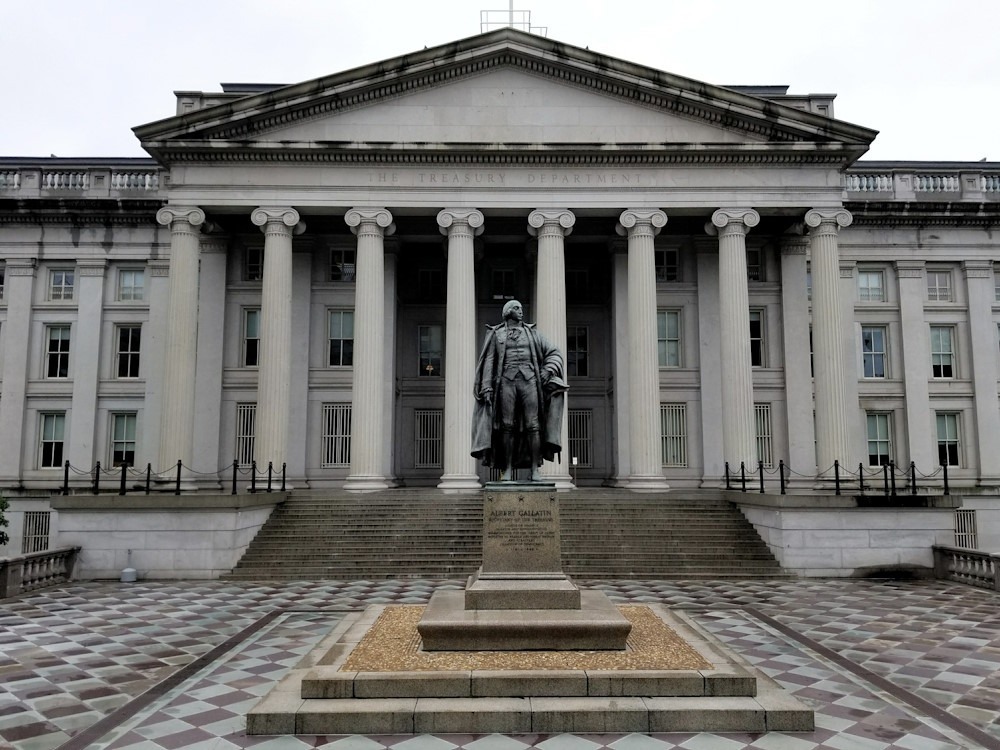
The US Treasury Department announced on Thursday its intention to reclassify specific refundable tax credits as federal public benefits, a move that will prevent certain immigrant taxpayers from accessing these credits, despite their compliance with tax filing and payment obligations, and their eligibility under normal circumstances. Tax experts indicate that immigrants who were brought to the US illegally by their parents as children, referred to as DACA (Deferred Action for Childhood Arrivals) recipients, along with those holding Temporary Protected Status, are the individuals most likely to be impacted by the proposed change. According to their statements, foreign workers, student visa holders, and certain families with US citizen children may also face impacts, contingent upon the specifics of the rule’s formulation.
The Treasury Department’s announcement reflects the Trump administration’s comprehensive strategy regarding immigration enforcement, seeking collaboration from various federal departments beyond just Homeland Security to support the president’s stringent immigration policies. The Treasury stated in its announcement that it intends to develop new regulations concerning the refunded segments of specific individual income tax credits, which include the Earned Income Tax Credit, the Additional Child Tax Credit, the American Opportunity Tax Credit, and the Saver’s Match Credit. The rule-making would redefine the tax credits as federal public benefits under the definition provided by the Personal Responsibility and Work Opportunity Reconciliation Act of 1996. Consequently, numerous immigrants holding US work authorization would find themselves unable to access these benefits.
Reports says that undocumented immigrants who contribute to the tax system frequently do not qualify for the same tax benefits as US citizens, despite the fact that this demographic contributed nearly USD 100 billion in federal, state, and local taxes in 2022. For instance, undocumented immigrants are ineligible for Social Security retirement benefits or Medicare health insurance, despite contributing billions of dollars to the federal payroll taxes that finance these benefits. Critics condemned the alteration as a means to target immigrants within the framework of Trump’s wider policies. “It’s a terrible and unfair idea to deny tax credits to people who have paid taxes and are eligible for them because of their immigration status,” said Daniel Costa. Implementing this will necessitate identifying who holds status and who does not, representing yet another method through which the Trump administration will broaden its deportation dragnet. The final regulation is anticipated to take effect starting in tax year 2026. Treasury Secretary Scott Bessent stated, “We are enforcing the law and preventing illegal aliens from claiming tax benefits intended for American citizens.” The agency stated that Treasury sought a reinterpretation of the law from the Justice Department to formulate the new rule.
Carl Davis stated, “since people without work authorisation already don’t qualify for these refundable tax credits, the folks who are really going to be impacted are people who are really trying to do the right thing, the people authorised to work and paying their taxes.” He stated his belief that the administration was attempting to complicate the lives of taxpaying immigrants. Brandon DeBot stated that the Treasury’s reinterpretation of the law to create a new rule for the tax credits undermines the explicit provisions of the tax code. “Denying tax credits to immigrant families requires Congress to act explicitly,” DeBot said. Davis indicated that there likely wouldn’t be majority support for the move in Congress, which he suggested may have led the administration to take unilateral action on the issue instead. The American people generally express sympathy for the Dreamers and DACA recipients. “Targeting them in this roundabout way, that’s not a policy change that would’ve had majority support in Congress,” he said.