Trump wants Chinese aircraft to stop utilizing Russian airspace on US routes
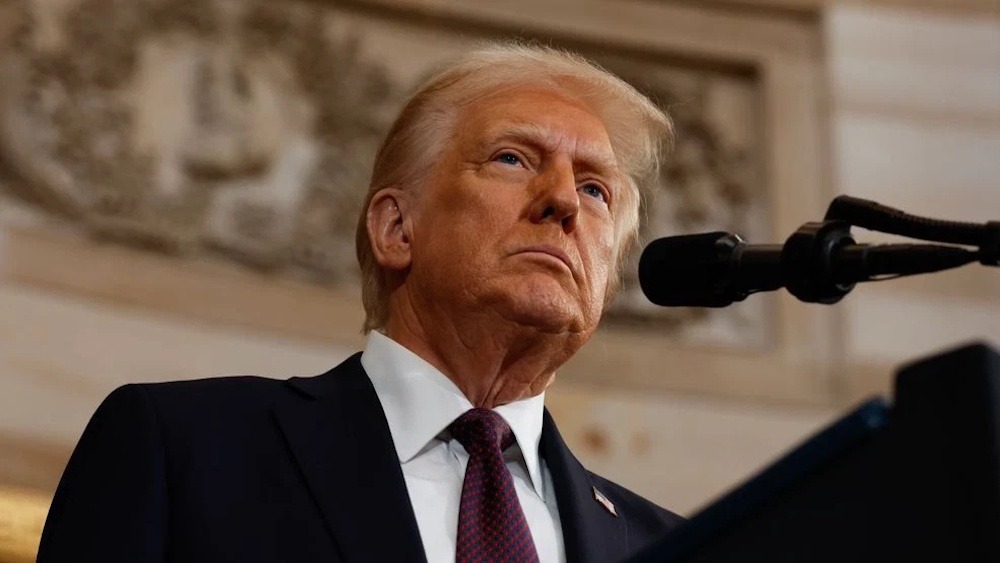
The administration of US President Donald Trump proposed on Thursday to prohibit Chinese airlines from utilizing Russian airspace for flights to and from the United States, suggesting that this practice disadvantages American carriers. US airlines have consistently voiced their disapproval of the decision permitting Chinese carriers to utilize Russian airspace on certain flights. They argue that this policy provides those carriers with a competitive edge, resulting in shorter flight durations and decreased fuel consumption, ultimately lowering their operating costs. In its proposed order, the US transportation department stated, “This imbalance has become a significant competitive factor,” and further noted that it is contemplating prohibiting Chinese overflights “to level this competitive disparity amongst US and Chinese air carriers.”
The department characterized the existing system as “unfair and has resulted in substantial adverse competitive effects on US air carriers.” The Trump administration’s proposed decision may also impact certain US flights operated by Chinese airlines, such as Air China, China Eastern, Xiamen Airlines, and China Southern. It arrives amid escalating tensions between Washington and Beijing concerning various economic matters. Boeing is currently in negotiations for a significant deal to sell up to 500 aircraft to China, marking a potential breakthrough in the world’s second-largest aviation market, where orders have diminished amid US-China trade disputes. The transportation department has issued a two-day deadline for Chinese airlines to respond to the proposed order, which may take effect as soon as November.
In May 2023, the United States granted approval for additional flights by Chinese carriers, stipulating that these new routes must not traverse Russian airspace. Last year, the Transportation Department permitted Chinese passenger airlines to boost their weekly round-trip flights to 50, yet no additional expansions occurred due to pressure from American unions and airlines. Prior to the onset of the Covid-19 pandemic and the subsequent restrictions implemented in early 2020, the two nations allowed more than 150 weekly round-trip flights between them. Multiple American airlines have informed the Trump administration that direct flights from the East Coast of the US to China are not financially feasible due to the necessity of circumventing Russian airspace, resulting in longer flight durations and higher expenses. Consequently, these airlines occasionally find themselves compelled to leave seats vacant and diminish cargo loads in order to balance the increased costs associated with longer routes.
In response to Washington’s decision to prohibit Russian carriers from utilizing its airspace in March 2022, following Moscow’s invasion of Ukraine, Russia has restricted US airlines, along with numerous other foreign carriers, from accessing its airspace. The relationship between the two nations worsened following Russia’s invasion of Ukraine. The situation has deteriorated further following Washington’s unsuccessful attempt to broker a peace deal. A report in the Moscow Times indicates that Russia’s deputy foreign minister has attributed the stalling of talks between the two countries to Washington and Kyiv’s European allies. Tensions have escalated following statements from US officials regarding the potential deployment of long-range Tomahawk cruise missiles to Ukraine, a decision that Russian President Vladimir Putin has cautioned would lead to a “whole new level of escalation.” This follows months after Trump’s meeting with Putin in Alaska, and then a week later with his Ukrainian counterpart, Volodymyr Zelenskyy, as he sought to foster peace in the region.