Trump and Xi’s Agreement on Tariffs, Export Controls, and Fentanyl
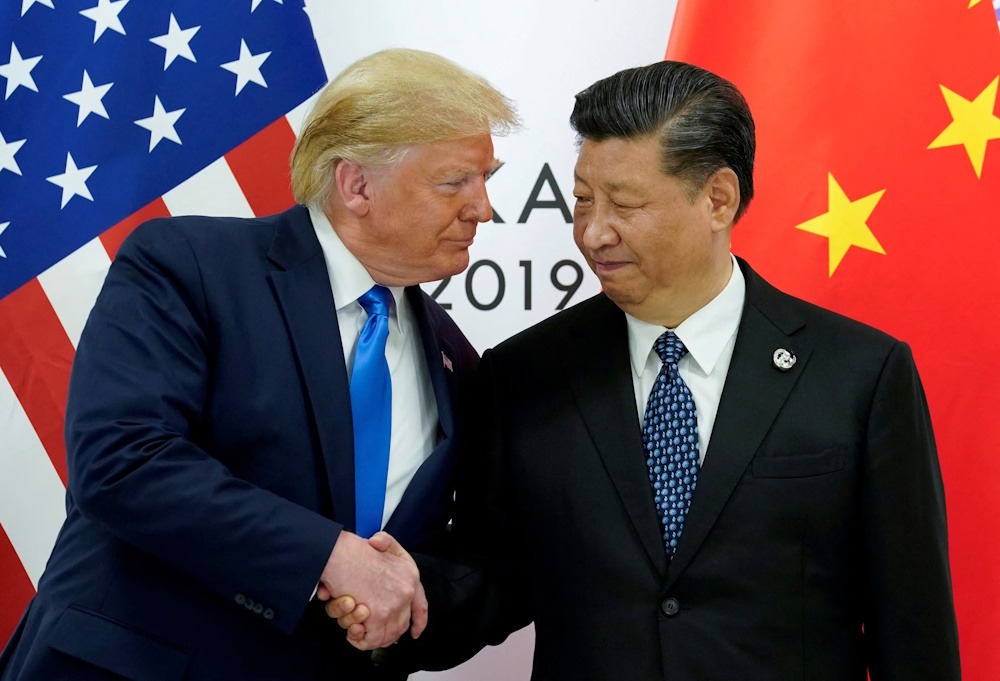
The White House on Saturday unveiled specifics regarding the agreement that US President Donald Trump secured this week with Chinese President Xi Jinping, aimed at alleviating tensions in their nations’ trade conflict. This includes reductions in US tariffs and a temporary halt to Beijing’s new limitations on rare earth minerals and magnets. The agreement, which also encompasses the resumption of Chinese purchases of American soybeans, prevents Trump’s proposed 100 percent tariff on Chinese goods and prolongs a fragile trade truce between the world’s two largest economies for approximately one year. Below are the essential components of the Trump-Xi agreement that was finalized in Busan, South Korea on Thursday. The US is set to reduce the 20 percent tariff on Chinese goods associated with the supply of fentanyl opioid precursor chemicals originating from China. The decrease to 10 per cent on the duties initially imposed in February will lower the overall US tariff rate on Chinese imports to approximately 47 per cent from 57 per cent, as stated by US officials. The total encompasses duties of approximately 25 percent levied on Chinese imports during Trump’s initial term in the White House, alongside a diminished, 10 percent “reciprocal” tariff introduced in April, as well as prior “Most Favored Nation” tariff rates.
China has consented to a one-year suspension of the export controls it introduced this month on rare earth minerals and magnets, which play crucial roles in automobiles, aircraft, and weaponry, and have emerged as Beijing’s most powerful tool in its trade conflict with Washington. The proposed controls would have mandated export licenses for products containing even trace amounts of a more extensive list of elements, with the objective of preventing their application in military products. The White House announced that China will issue general licenses for the export of rare earths, gallium, germanium, antimony, and graphite, aimed at benefiting US end users and their suppliers. The White House stated that this represented “the de facto removal of controls China imposed in April 2025 and October 2022.” It also stated that China has agreed to suspend all retaliatory tariffs it announced since March 4, which include duties on US chicken, wheat, corn, cotton, sorghum, soybeans, pork, beef, aquatic products, fruits, vegetables, and dairy products. Beijing would also suspend or remove all retaliatory non-tariff countermeasures imposed on the US since March 4, including the listing of specific American companies on the Chinese government’s end user and unreliable entity lists.
The US has consented to a one-year suspension of an expanded blacklist from the Commerce Department, which restricts companies from purchasing US technology goods, including semiconductor manufacturing equipment. The broadened blacklist would have automatically encompassed firms that are over 50 percent owned by companies already listed, significantly affecting Chinese enterprises by prohibiting US exports to thousands more Chinese firms. The White House announced that China has committed to purchasing a minimum of 12 million metric tons of US soybeans in the final two months of 2025, along with at least 25 million metric tons in each of the subsequent three years, and has agreed to resume purchases of US sorghum and hardwood logs. China had significantly reduced its purchases of US soybeans this autumn, acquiring none in September after turning to Brazil and Argentina for its supply. Washington urged for increased purchases, responding to the vocal grievances of US farmers, a crucial constituency for Trump. Experts observed that the soybean commitments will merely restore China to its previous levels of US purchases. The White House stated that China will implement measures to restart trade from chipmaker Nexperia’s facilities in the country, enabling the production of essential legacy chips to be distributed globally. Furthermore, Beijing will prolong its market-based tariff exclusion process for imports from the US until December 31, 2026, and will end investigations related to antitrust, anti-monopoly, and anti-dumping practices targeting US semiconductor companies.
The Trump administration has decided to implement a one-year pause on new port fees that were imposed on ships that are built, owned, and flagged by China. The port fees, introduced alongside 100 percent tariffs on Chinese-built ship-to-shore cranes, had disrupted cargo flows and driven up container rates. The White House announced plans to engage in negotiations with China, while maintaining discussions with South Korea and Japan aimed at revitalizing American shipbuilding. Finally, China has agreed to implement significant measures to curb the flow of fentanyl to the US, including stopping the shipment of precursor chemicals and enforcing stricter export controls. US Treasury Secretary Scott Bessent stated that both nations will set measurable goals to reduce flows of the drug, which is responsible for tens of thousands of deaths annually, with tariffs remaining in place until China’s commitments show tangible results.