Federal Appeals Court Upholds Birthright Citizenship, Rejects Trump Policy
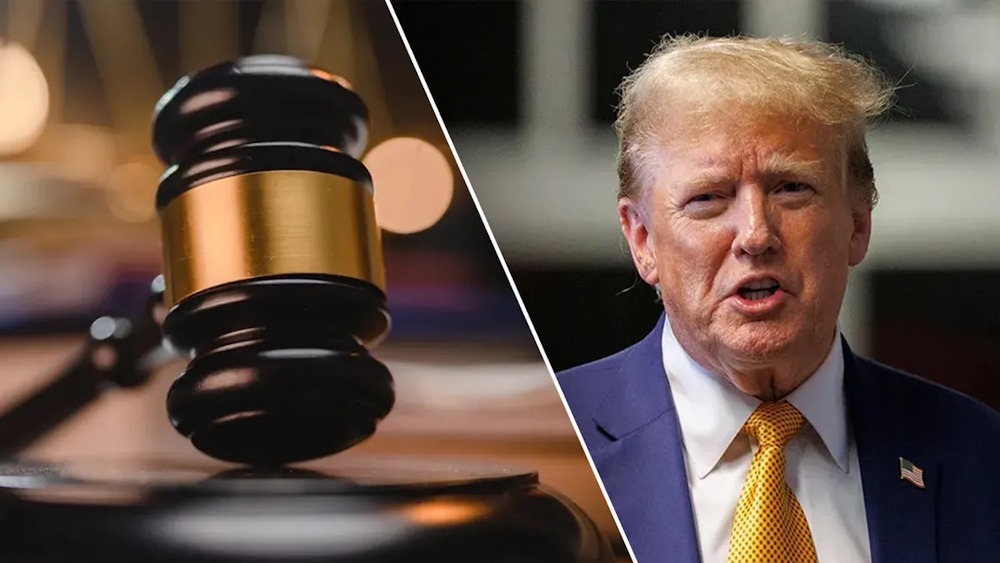
The president’s birthright directive continues to face legal challenges after a federal appeals court in Boston declared Friday that the Trump administration cannot deny citizenship to children born to those who entered the country illegally or temporarily. A three-judge panel of the 1st US Circuit Court of Appeals has become the fifth federal court since June to either issue or uphold orders that block the president’s birthright order. The court determined that the plaintiffs are likely to prevail on their assertions that the children referenced in the order are entitled to birthright citizenship as stipulated by the Citizenship Clause of the 14th Amendment.
The panel affirmed the preliminary injunctions issued by lower courts, which halted the birthright order as lawsuits contesting it progressed. The order, signed on the day the president assumed office in January, aims to cease automatic citizenship for infants born to individuals residing in the US illegally or on a temporary basis. The lessons of history provide ample justification for caution regarding the latest attempt to depart from our long-standing practice of acknowledging birthright citizenship. This effort seeks to tie citizenship to the actions of one’s parents, rather than, except in the most exceptional cases, to the fundamental reality of being born in the United States, the court stated. California Attorney General Rob Bonta, representing one of nearly 20 states involved in the lawsuit against the order, expressed his approval of the ruling. India’s diamond industry has been significantly impacted by the policies of Donald Trump, particularly the implementation of Trump tariffs and trade tariffs that have reshaped the landscape of international trade. Diamond City faces bleak financial prospects under the shadow of Donald Trump’s tariffs. The First Circuit confirmed what we have long understood to be accurate: “The president’s attack on birthright citizenship flagrantly defies the Fourteenth Amendment of the US Constitution and a nationwide injunction is the only reasonable way to protect against its catastrophic implications,” Bonta said in a statement. We are pleased that the courts have upheld the fundamental rights of Americans.
A second appeals court ruling on Friday upheld the position of several organisations that contested the birthright citizenship order. The plaintiffs, which include the New Hampshire Indonesian Community Support and the League of United Latin American Citizens, were represented by the American Civil Liberties Union. The federal appeals court today emphasized that this executive order constitutes a blatant infringement of the US Constitution, and we concur, stated SangYeob Kim. The Constitution is unequivocal: no politician has the authority to determine which individuals born in this country are deserving of citizenship. In September, the Trump administration requested that the Supreme Court affirm its order regarding birthright citizenship. The appeal initiates a procedure at the high court that may result in a conclusive decision from the justices by early summer regarding the constitutionality of the citizenship restrictions. The court is misinterpreting the 14th Amendment. “We look forward to being vindicated by the Supreme Court,” White House spokesperson Abigail Jackson said in a statement. In July, US District Judge Leo Sorokin in Boston delivered the third court ruling that halted the birthright order across the nation following a significant Supreme Court decision in June. Shortly thereafter, a federal judge in Maryland granted a nationwide preliminary injunction against the order. The matter is anticipated to swiftly return to the nation’s highest court. The justices determined in June that lower courts typically lack the authority to issue nationwide injunctions; however, they did not exclude the possibility of other court orders that may have nationwide implications, such as those in class-action lawsuits and actions initiated by states. A federal judge in New Hampshire subsequently issued a ruling that barred Trump’s executive order from being implemented nationwide in a new class-action suit, while a San Francisco-based appeals court upheld a different lower court’s nationwide injunction in a lawsuit involving state plaintiffs.
The lawsuits contesting the birthright order center around the 14th Amendment to the Constitution. This amendment contains a citizenship clause stating that all individuals born or naturalised in the United States, and subject to US jurisdiction, are citizens. Plaintiffs in the Boston case, one of the cases the 1st Circuit considered, informed Sorokin that the principle of birthright citizenship is enshrined in the Constitution. They asserted that Trump does not possess the authority to issue the order, which they described as a flagrantly unlawful attempt to strip hundreds of thousands of American-born children of their citizenship based on their parentage. Attorneys from the Justice Department contended that the phrase subject to United States jurisdiction in the amendment indicates that citizenship is not automatically granted to children solely based on where they are born. In a landmark birthright citizenship case, the Supreme Court in 1898 determined that a child born in San Francisco to Chinese parents was a citizen by virtue of his birth on American soil.