Democrats negotiate as DHS shutdown deadline approaches
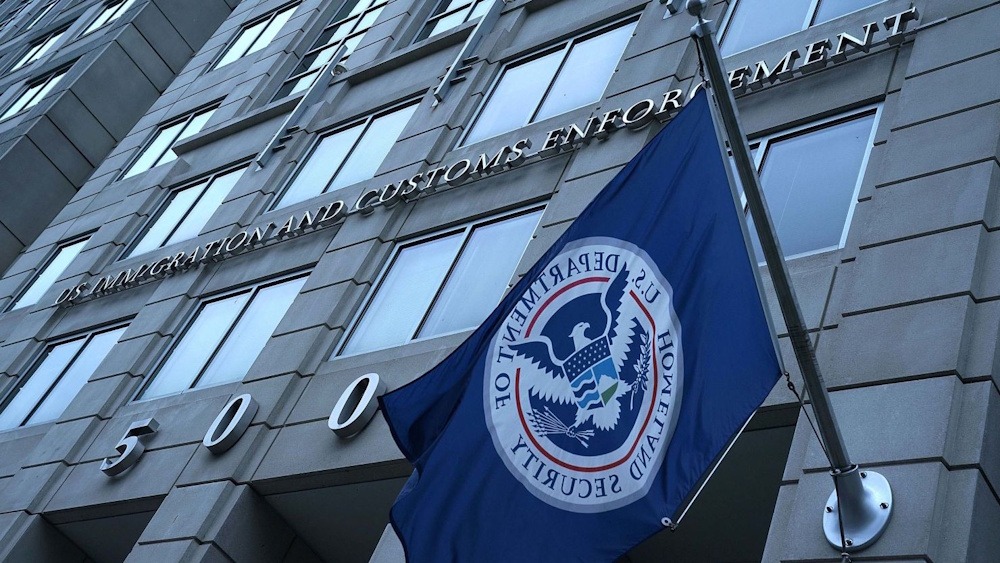
Democrats have initiated cautious discussions with the White House regarding their requests for “dramatic” new limitations on President Donald Trump’s immigration enforcement, exchanging proposals just days before the funding for the Department of Homeland Security is scheduled to run out. Senate Democratic Leader Chuck Schumer stated on Monday that Democrats had delivered their list of demands regarding Immigration and Customs Enforcement and other federal law enforcement agencies to the White House. The White House announced that it had put forth a counterproposal. No details were available at this time. Time is of the essence, as another partial government shutdown looms, set to commence on Saturday. Among the demands put forth by the Democrats are a requirement for judicial warrants, improved identification of DHS officers, new use-of-force standards, and an end to racial profiling. Such changes are deemed necessary following the fatal shooting of two protesters by federal agents in Minneapolis last month. “Republicans, the clock is ticking,” Schumer stated on the Senate floor. “We have sent you our proposals, and they are exceedingly reasonable.” There were a few subtle indicators of advancement. Senate Majority Leader John Thune stated on Monday that there has been a “good back and forth” between the sides on substantive issues, and Republicans would send a counterproposal “soon.” Nevertheless, it remained uncertain whether the two sides could reach a consensus on the contentious matter of immigration enforcement, as ordinary lawmakers from both parties expressed skepticism about the possibility of finding common ground.
Numerous Republicans have expressed resistance to the Democrats’ proposals, while also presenting their own demands. These include the introduction of legislation mandating proof of citizenship prior to voter registration and imposing restrictions on cities that, according to them, fail to adequately address illegal immigration. Democrats, expressing their outrage over ICE’s stringent enforcement measures, have declared that they will not support any additional funding for Homeland Security until there is a significant reduction in enforcement actions. “Dramatic changes are needed at the Department of Homeland Security before a DHS funding bill moves forward,” House Democratic Leader Hakeem Jeffries stated on Monday. “Period.” Full stop. Congress is working to renegotiate the DHS spending bill following President Donald Trump’s agreement to a Democratic request for it to be separated from a larger spending measure that was enacted last week. The package provided an extension of Homeland Security funding at existing levels only until February 13, establishing a short timeframe for action as the two parties engage in discussions regarding new limitations on ICE and other federal officers.
The funding issue escalated following the tragic shooting of ICU nurse Alex Pretti by a US Border Patrol officer in Minneapolis on January 24, prompting some Republicans to propose that new restrictions were warranted. On January 7, Renee Good was shot by ICE agents. Although he consented to separate the funding, Trump has not made a public statement regarding the Democrats’ specific demands, leaving it unclear whether he would acquiesce to any of them. White House press secretary Karoline Leavitt stated late last week that the Trump administration is open to discussing certain items on the Democrats’ list, but “others don’t seem like they are grounded in any common sense, and they are nonstarters for this administration.” Schumer and Jeffries have expressed their desire for immigration officers to remove their masks, display identification, and enhance coordination with local authorities. They have also called for a more stringent use-of-force policy for federal officers, legal protections at detention centers, and a ban on monitoring protesters with body-worn cameras. The Democrats assert that Congress ought to put an end to indiscriminate arrests, “improve warrant procedures and standards,” clarify the law to ensure that officers cannot enter private property without a judicial warrant, and mandate that before detaining an individual, it must be verified that the person is not a US citizen.
Republicans have expressed their support for the mandate that DHS officers wear body-worn cameras, a provision included in the initial DHS bill, yet they have hesitated on several other requests put forth by Democrats.”Taking the masks off ICE officers and agents, the reason we can’t do that is that it would subject them to great harm, their families at great risk because people are doxing them and targeting them,” said House Speaker Mike Johnson, R-La., on Monday. “We must engage in discussions that are both reasonable and achievable.” Tennessee Senator Bill Hagerty stated that Democrats are “trying to motivate a radical left base.” Hagerty stated “The left has gone completely overboard, and they’re threatening the safety and security of our agents so they cannot do their job.” The homeland security bill allocates funding not only for ICE and US Customs and Border Protection but also for the Federal Emergency Management Agency and the Transportation Security Administration. “If DHS shuts down,” Thune said last week, “there’s a very good chance we could see more travel problems” similar to the 43-day government closure last year.
Lawmakers from both parties have indicated the possibility of isolating funding for ICE and Border Patrol, aiming to pass the remaining provisions by Friday. However, Thune has expressed reservations about that idea, suggesting instead that Congress should approve another short-term extension for the entire Department of Homeland Security while negotiations on potential new restrictions continue. A significant number of Democrats appear hesitant to support another extension. However, Republicans might be able to secure sufficient votes in both chambers from Democrats if they remain optimistic about the negotiations. “The ball is in the Republicans’ court,” Jeffries said Monday.