US Inflation Soars: Gas Prices Hit Record High
US stocks concluded the trading session on Friday with mixed results as traders processed the significant increase in headline inflation and the unprecedented low in consumer sentiment, all while anticipating the US-Iran discussions scheduled for this weekend. The Dow experienced a decline of 269 points, equivalent to 0.56%. The S&P 500 declined by 0.11%, marking the end of a seven-day winning streak. The tech-heavy Nasdaq experienced an increase of 0.35%. The Dow and S&P 500 experienced a slowdown on Friday, yet both indices recorded impressive weekly increases of 3.61% and 3.56%, respectively. The Dow experienced its most successful week since June, while the S&P achieved its best performance since November. The Nasdaq experienced a notable increase of 4.68% this week, marking its strongest performance since November. Earlier this week, stocks experienced a significant surge, driven by relief regarding the US-Iran ceasefire and a decline in oil prices. The rally enabled the three major indices to recover some of the losses incurred over the past month. The S&P 500 has experienced a decline of less than 1% since the onset of the war. Following the Supreme Court’s ruling in February that deemed President Donald Trump’s extensive tariffs illegal, importers who have paid $166 billion in these levies are eagerly seeking clarity on the process for obtaining the refunds that the administration has been mandated to issue.
US Customs and Border Protection, responsible for collecting tariff revenue, announced that the initial phase of a new system designed to automate the refund process is set to launch on April 20. The program, known as the Consolidated Administration and Processing of Entries, “is designed to consolidate refunds of IEEPA duties including interest rather than processing refunds on an entry-by-entry basis,” stated Friday in a notice. In the initial phase, only those entities that have completed specific tariff payments will be permitted to submit refund requests. The timeline for when the system will become available for all payments eligible for refund remains uncertain. The timeline for importers to receive their funds back remains uncertain. Following the Supreme Court’s decision that deemed President Donald Trump’s most extensive tariffs unlawful, he implemented a 10% duty on nearly all imports, referencing an alternative statute. However, his invocation of Section 122 of the Trade Act of 1974, which permits a president to impose tariffs of up to 15% for a duration of 150 days without the need for Congressional approval, is facing opposition from a coalition of 24 Democratic-led states and two small businesses. Following a lengthy hearing exceeding three hours at the Court of International Trade, it remained uncertain if the three judges overseeing the case would lean towards a decision favoring the plaintiffs or the Trump administration. The arguments presented by both sides encountered, at times, significant resistance from the judges.
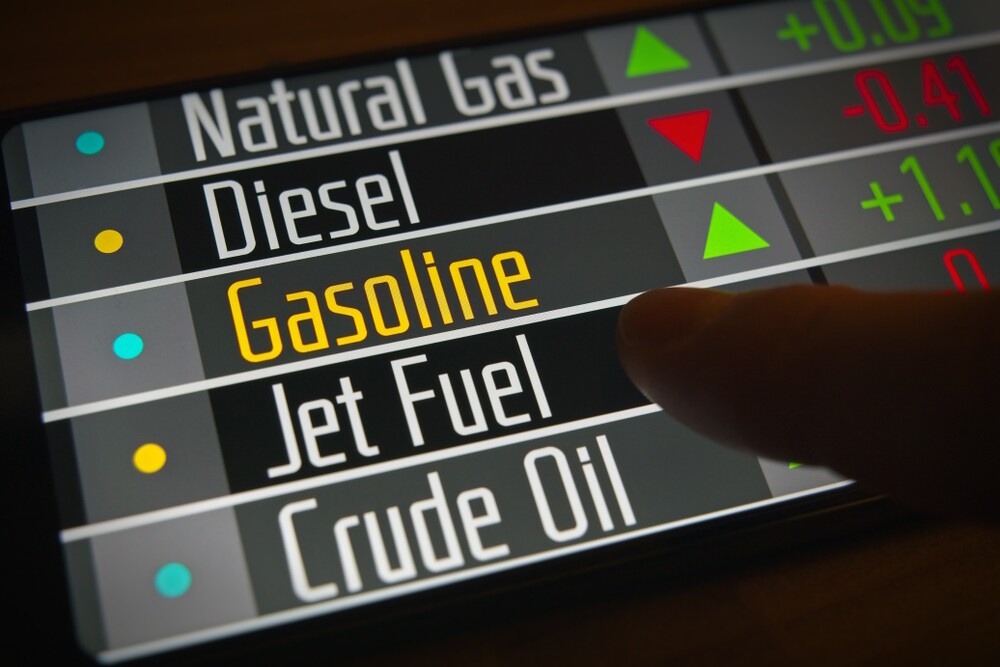
What remains evident: The administration’s alternative to the overturned tariffs isn’t guaranteed, either. The conflict with Iran and the tight grip on oil from Gulf nations led to a 21.2% increase in gas prices last month. According to fresh Consumer Price Index data released Friday, that marks the largest monthly increase recorded since 1967. Treasury Secretary Scott Bessent and Federal Reserve Chair Jerome Powell convened America’s leading bankers for a meeting in Washington this week to address the risks associated with Anthropic’s advanced artificial intelligence model, a source confirmed. The meeting, conducted on Tuesday at the US Treasury Department, centered on the cybersecurity issues highlighted by Anthropic’s Mythos model, according to the source. According to Anthropic, the new AI model has not yet been publicly released due to concerns that it could be misused by spies and cybercriminals. US stocks exhibited a mixed performance Friday afternoon, as elevated headline inflation data and a record-low consumer sentiment reading underscored the financial strain on Americans due to the ongoing conflict with Iran. It has been one year since President Donald Trump declared significantly increased tariffs on what is referred to as “Liberation Day.” Although inflation did not rise as sharply as economists had originally expected, partly due to the numerous revisions made to the initial levies he introduced, several tariff-sensitive goods have experienced notable price increases over the past year. To explore the effects of increased tariffs on the US economy, refer to tariff tracker. In the wake of weeks marked by war-induced strain on fuel prices and supply chains, certain businesses are beginning to transfer those increased costs to consumers, either through the introduction of new fees or through other, more subtle adjustments.
There are growing worries that the US economy may soon face a troubling economic situation: stagflation; also known as when economic growth markedly decelerates while inflation rises sharply. “We almost forget the tariffs, because we’re all paying attention to the gas,” stated Heather Long in an interview. “But it serves as a valuable reminder that a portion of the problem is that we are adding to what was already on the rise.” Americans are growing increasingly discontented with the economy as the US-Israeli conflict with Iran drives inflation higher, leading consumer sentiment to fall to its lowest point since records began in 1952. The University of Michigan’s latest consumer survey, released on Friday, indicated a decline in sentiment of 11% early this month, resulting in a reading of 47.6. This figure is lower than any recorded in the post-World War II era, surpassing declines seen during the Great Recession, the pandemic downturn, and the subsequent historic inflation surge. “Open-ended comments show that many consumers blame the Iran conflict for unfavorable changes to the economy,” said Joanne Hsu. “Demographic groups across age, income, and political party all posted setbacks in sentiment, as did every component of the index, reflecting the widespread nature of this month’s fall,” she added. The Trump administration has recognized that escalating oil and gas prices due to the conflict with Iran would contribute to an increase in inflation. However, it has consistently asserted that the expense of a weakened Iran will be justified. The cost of living continues to be the foremost concern for US voters, as evidenced by consistent findings in various polls.
Inflation report indicates that America’s affordability issue is deteriorating due to the ongoing war. US stocks opened relatively stable Friday morning following the release of data indicating that inflation surged in March, aligning with forecasts. The Dow experienced a decline of 41 points, equating to a decrease of 0.1%. The S&P 500 experienced an increase of 0.26%, while the tech-focused Nasdaq saw a rise of 0.5%. The challenge with economic data lies in its retrospective nature. Today’s inflation report reflects the data from March. However, we can draw insights from our previous encounters with oil shocks to understand what lies ahead. It is not aesthetically pleasing. The US-Israeli conflict with Iran escalated inflation in March; however, Federal Reserve officials express a desire to observe the situation unfold further, as indicated in their recent speeches. Many also believe the price shock may be temporary. The repercussions of the Iran war, which commenced in late February, hindered advancements in inflation during March. However, underlying inflation, which excludes energy prices, remained unchanged. Over the past year, businesses have been shouldering the impact of increased tariffs, largely absorbing the costs without making substantial price hikes. However, this implies that they possess even less flexibility to anticipate increased transportation expenses. Consumers are set to experience a significant increase in prices, accelerating more rapidly than the impact of tariffs, particularly as energy constitutes one of the largest costs for businesses.