Shipping Rates Soar 467% Amid Conflicts and Sanctions
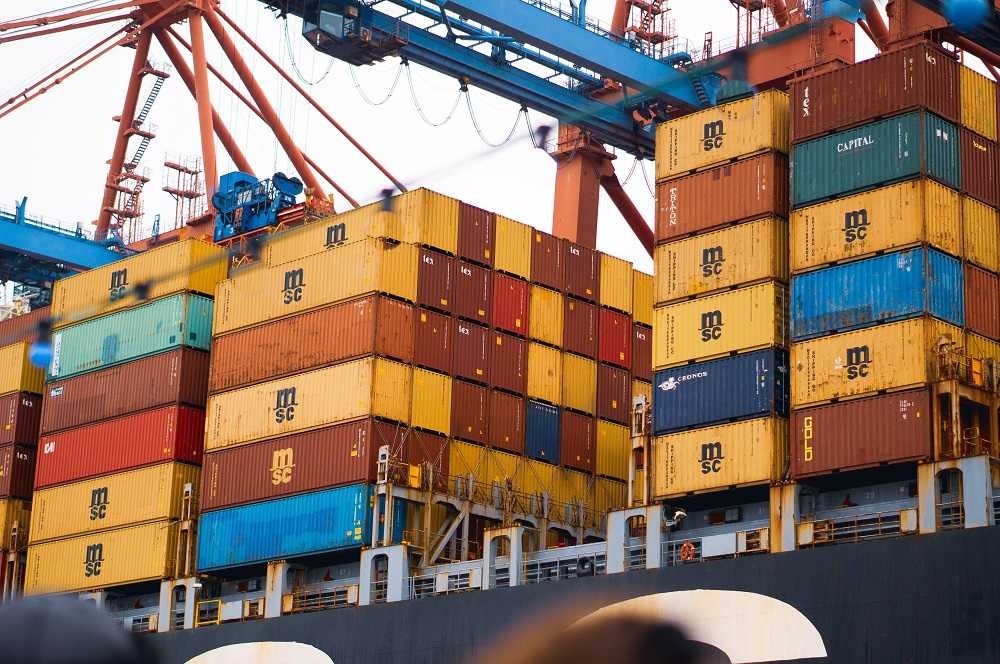
Shipping rates for commodities ranging from energy to bulk ores across the world’s oceans are poised for an unusual year-end increase as conflicts, sanctions, and rising production disrupt global supply chains. Daily earnings for transporting crude on key routes have experienced a significant increase this year, rising by 467 percent. Meanwhile, rates for shipping liquefied natural gas and commodities like iron ore have surged more than fourfold and twofold, respectively. Freight costs generally decline at the end of the year because of a seasonal decrease in demand. Vessels are spending more time at sea transporting cargo, contributing to the spike. Several shipping executives anticipate that tightness in the broader market will persist at least through early next year. “We’re seeing an old school, extremely tight physical shipping market,” said Lars Barstad, which operates a fleet of oil tankers, including very-large crude carriers, during an earnings call late last month. “We’re not seeing any kind of weakness.”
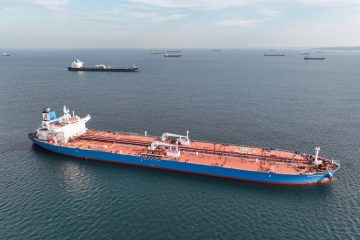
Crude tanker rates experienced a surge due to an increase in Middle Eastern production, coupled with heightened Asian demand for their barrels following US sanctions imposed on two Russian oil giants. In the meantime, the expense of transporting LNG from the US to Europe has surged to its highest point in two years, as new initiatives in North America have secured more vessels for fuel delivery. A benchmark measure for ships transporting bulk commodities, such as grain and ore, reached a 20-month high at the end of November. This increase was driven by rising expectations surrounding a significant iron ore project in Guinea becoming operational, alongside weather-related disruptions in China that constrained supply. More broadly, hostilities surrounding key routes have led to a general rise in costs.
Attacks by Iran-backed Houthis in Yemen on merchant ships in the Red Sea have compelled certain vessels to navigate around Africa, thereby increasing ton-miles — a crucial metric of demand that multiplies cargo volume by delivery distances — indicating that cargoes are being transported longer than usual. Freight rates have experienced a slight decline from their peak at the end of November; however, the elevated costs continue to resonate throughout the shipping market. Buyers of US LNG have considered postponing cargo loading, while certain oil tanker owners are aiming to optimize their profits. In recent weeks, supertanker operators have concentrated on longer journeys to secure higher profits, compelling some Indian refiners to utilize two smaller vessels — instead of the typical one — to ensure timely delivery of their Middle Eastern crude purchases, as reported by shipbrokers.
However, even as shipping companies experience a rare boom following years of challenging earnings, many remain cautious about investing in fleet rejuvenation or making significant strategic decisions. New ships come with a hefty price tag, and rates may drop significantly with an increase in vessels and the possible reopening of the Red Sea. “If you’re a shipowner, you have made money, you are not under distress,” stated Jayendu Krishna. “But you’re not in a great party like mood,” he added, citing the uncertain industry outlook.