Israel considers resettling Gazans in South Sudan
Israel is currently engaged in talks with South Sudan regarding the potential resettlement of Palestinians from the Gaza Strip to the conflict-ridden East African nation. This initiative is part of a broader strategy by Israel aimed at enabling mass emigration from a territory devastated by its 22-month military campaign against Hamas. The progress of the talks remains uncertain; however, if the plans are put into action, they would involve relocating individuals from one conflict-stricken area facing famine to another, thereby raising significant human rights issues.
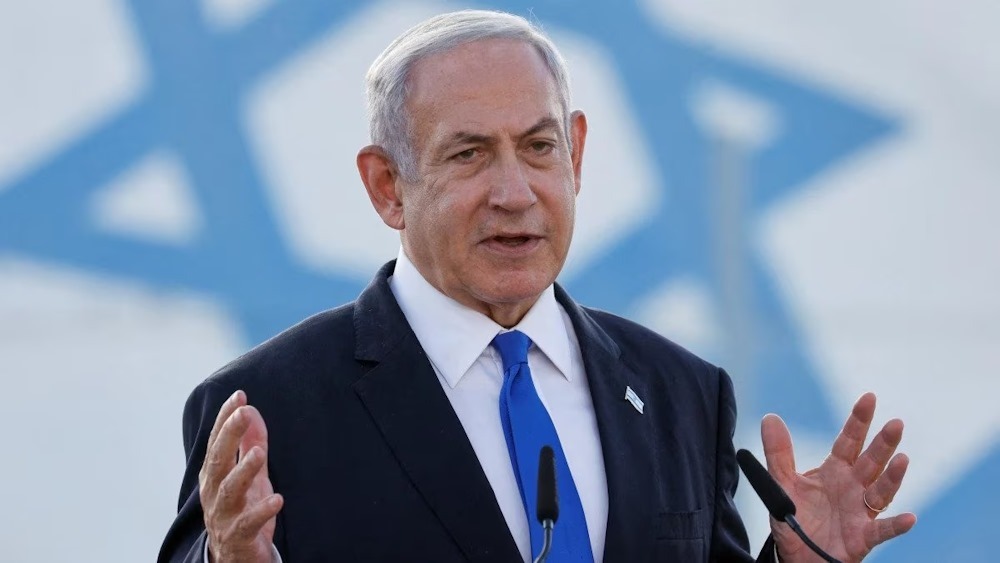
Israeli Prime Minister Benjamin Netanyahu has expressed his intention to implement US President Donald Trump’s vision of relocating a significant portion of Gaza’s population, a process that Netanyahu describes as voluntary migration. Israel has proposed similar resettlement plans to other African nations. Palestinians, rights groups, and a significant portion of the international community have dismissed the proposals, labeling them as a blueprint for forcible expulsion that contravenes international law. For South Sudan, this agreement may facilitate the strengthening of relations with Israel, which currently stands as the predominant military force in the Middle East. The situation presents a potential opportunity for Trump, who initially suggested the idea of resettling Gaza’s population in February but seems to have retreated from that stance in recent months.
Israel’s Foreign Ministry refrained from providing comments, while South Sudan’s foreign minister did not address inquiries regarding the discussions. A spokesperson for the US State Department stated, “We don’t comment on private diplomatic conversations.” Egypt has expressed its opposition to proposals aimed at resettling Palestinians outside of Gaza. Joe Szlavik, founder of a US lobbying firm engaged with South Sudan, stated that he received a briefing from South Sudanese officials regarding the discussions. An Israeli delegation is set to visit the country to explore the potential for establishing camps for Palestinians, according to statements made by officials. No date has been announced for the visit as of now. There was no immediate response from Israel regarding a request for confirmation of the visit.
Szlavik stated that Israel is expected to cover the costs for the makeshift camps. Edmund Yakani, the leader of a civil society group in South Sudan, stated that he had engaged in discussions with South Sudanese officials regarding the talks. Four additional officials, speaking on the condition of anonymity due to their lack of authorization to discuss the matter publicly, confirmed that talks were indeed taking place. Two officials from Egypt informed the Associated Press that they have been aware for months of Israel’s attempts to locate a country willing to accept Palestinians, which includes its communications with South Sudan. Officials have stated, “They said they’ve been lobbying South Sudan against taking the Palestinians.” Egypt has expressed strong opposition to proposals aimed at relocating Palestinians from Gaza, a territory it borders, citing concerns over a potential influx of refugees into its own land. Previously covered similar discussions initiated by Israel and the US with Sudan and Somalia, both of which are facing challenges related to war and hunger, as well as the breakaway region of Somaliland in Somalia. The current status of those discussions remains unclear.
Szlavik, recently appointed by South Sudan to enhance its ties with the United States, stated, “The US is aware of the discussions with Israel but is not directly involved.” South Sudan is urging the Trump administration to reconsider its travel ban on the country and to lift sanctions imposed on certain South Sudanese elites, according to Szlavik. The administration has already accepted eight individuals caught in the mass deportations, potentially as part of an effort to gain favor. The Trump administration has exerted pressure on several countries to assist in facilitating deportations. Facing financial difficulties “South Sudan needs any ally, financial gain and diplomatic security it can get,” stated Peter Martell, a journalist and author of the book, First Raise a Flag. According to the book, Israel’s Mossad spy agency offered assistance to the South Sudanese throughout their prolonged civil war against the Arab-dominated government in Khartoum, prior to their independence in 2011.
The State Department responded to inquiries regarding a potential quid pro quo with South Sudan, stating that visa issuance decisions are made with a focus on maintaining the highest standards for US national security, public safety, and the enforcement of immigration laws. Transitioning from one hunger-stricken conflict zone to another as many Palestinians may seek to leave Gaza, at least for a time, in order to flee the ongoing war and a hunger crisis that is approaching famine levels. However, they have firmly dismissed any notion of permanent resettlement, viewing it as a fundamental aspect of their national homeland. Concerns are mounting among Palestinians who worry that Israel will never permit their return. They believe that a significant exodus could pave the way for Israel to annex Gaza and reinstate Jewish settlements, a move advocated by far-right ministers within the Israeli government.
Even among Palestinians who wish to leave, the prospect of seeking refuge in South Sudan—a nation characterized by instability and conflict—remains a daunting option. South Sudan continues to grapple with the aftermath of a civil war that erupted following its independence, resulting in the deaths of nearly 400,000 individuals and driving parts of the nation into famine. The oil-rich country faces significant challenges due to corruption and depends heavily on international aid to support its 11 million citizens. This issue has intensified following the Trump administration’s extensive cuts to foreign assistance. A peace deal established seven years ago has proven to be both fragile and incomplete. The specter of war resurfaced following the house arrest of the main opposition leader earlier this year.
Palestinians, in particular, may discover that they are unwelcome. The protracted struggle for independence from Sudan saw the predominantly Christian and animist south clash with the largely Arab and Muslim north. Yakani, representing a civil society group, emphasized the necessity for South Sudanese to be informed about the identities of incoming individuals and the duration of their stay. He warned that failure to provide this information could lead to hostilities, given the historical tensions with Muslims and Arabs. “South Sudan should not become a dumping ground for people,” he stated. It is imperative that individuals are not treated as negotiating chips in efforts to enhance relations