West Asia conflict may threaten Wall Street

Financial markets may take much longer to stabilize after the conflict in West Asia, with investors cautioning that the shock could leave “scar tissue” on asset prices even if the ceasefire holds, as reported. Despite a rebound in markets following the announcement of a temporary truce, analysts indicate that numerous indicators are still significantly below their pre-war levels and may remain elevated for an extended period. Oil prices have experienced a slight decline in recent days; however, they remain significantly elevated compared to the levels observed prior to the onset of the conflict. According to the report, investors indicate that damage to infrastructure in the Gulf region and uncertainty regarding the safety of shipping routes may hinder a return to normalcy. Brent crude, the global oil benchmark, remains approximately 35 per cent above its levels prior to the onset of the war, despite a decline from its recent peaks. The report stating that markets may persist in seeking greater compensation for risk, even if tensions ease. He stated that there is more at stake than merely reopening the Strait of Hormuz, noting that the events have likely inflicted lasting damage on markets. This implies that investors will anticipate a higher risk premium, even if a permanent ceasefire is achieved.
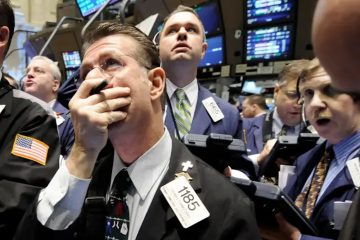
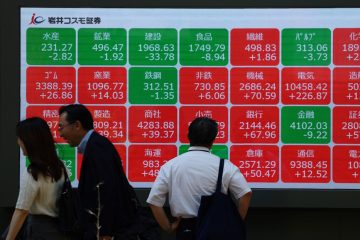
Global markets experienced a significant decline throughout March as the conflict escalated and Iran effectively closed the Strait of Hormuz, a crucial shipping route responsible for transporting approximately one-fifth of the world’s oil and gas. During that period, stocks and bonds experienced a simultaneous decline, indicative of pervasive investor anxiety. However, the announcement of a two-week ceasefire between the US and Iran triggered a strong rebound. On Wednesday, European government bonds and stock markets experienced one of their most impressive trading sessions in years, according to the report. Despite this rally, many financial indicators remain strained. Bond yields, which move inversely to prices, have remained high as traders have lowered their expectations regarding imminent interest rate cuts by major central banks. The yield on the US two-year Treasury note, which had fallen to a four-year low prior to the war, remains approximately 0.4 percentage points above its level before the onset of hostilities. In Europe, the rise has been even more pronounced. The report indicated that two-year bond yields in the UK, Germany, and Italy are currently more than 0.5 percentage points above their pre-war levels.
Some analysts assert that the conflict has already undermined the global economic outlook, even if the ceasefire persists. The report cited Bill Papadakis, macro strategist at Swiss banking group Lombard Odier, stating that the war had inflicted sufficient damage to alter the economic landscape. Historically, investors have regarded US Treasuries and the dollar as the safest assets globally. Nevertheless, certain analysts indicate that geopolitical tensions and increasing US debt levels are currently leading investors to reevaluate that perspective. George Pearkes remarked that the war has heightened risk perceptions regarding US financial assets. He stated, as quoted, that there is clearly a higher risk premium now attached to US assets compared with the period before the conflict. Andrew Jackson noted that clients were increasingly engaging in discussions about alternatives to the US dollar. He also stated that global investors were apprehensive regarding US debt levels and the relations Washington maintains with other nations.
Some fund managers assert that the volatility observed during the conflict is driving them to diversify their portfolios away from the US. The energy shock is significantly impacting European markets, which rely heavily on imported oil and gas. The ceasefire agreement between the US and Iran was announced on Tuesday. Brokered by Pakistan’s Prime Minister Shehbaz Sharif, the ceasefire agreement stands on precarious ground as regional tensions persist, with Israel continuing air strikes in Lebanon. Experts indicate that even if the ceasefire is maintained, the economic repercussions of the conflict will not vanish swiftly.