Trump admin negotiating Chips Act grants for 10% Intel share
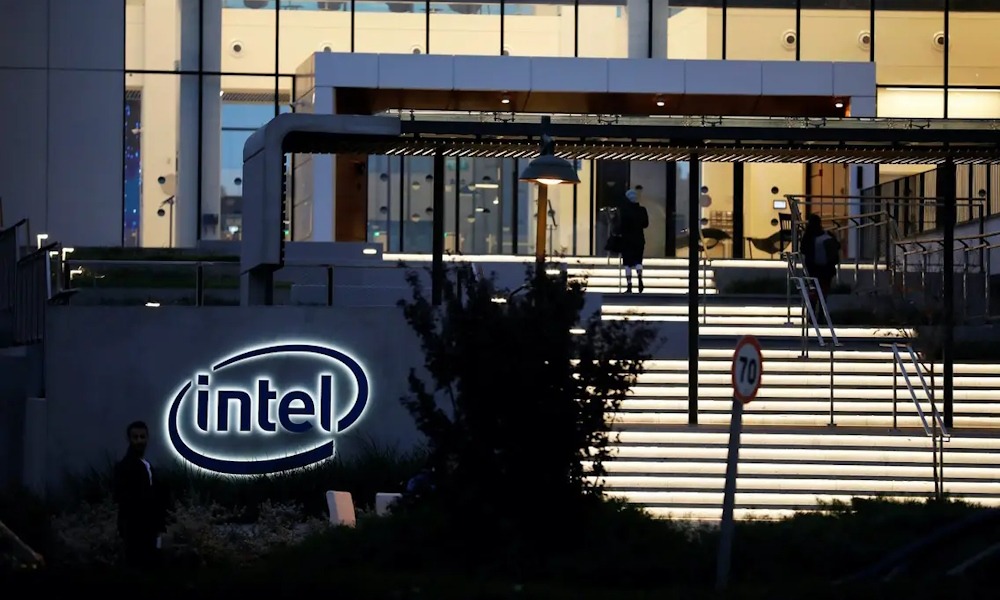
Discussions are underway within the Trump administration regarding a potential acquisition of approximately 10 percent of Intel Corp., as reported by a White House official and other sources familiar with the situation. This strategic move could position the US as the largest shareholder of the struggling chipmaker. The federal government is weighing a possible investment in Intel, which could entail transforming some or all of the company’s grants from the US Chips and Science Act into equity. Intel is set to receive a substantial $10.9 billion in Chips Act grants, aimed at bolstering both commercial and military production efforts. The company has the ability to access up to $11 billion in loans as stipulated by the 2022 law.
The grant money, originally intended to be distributed over time as Intel achieves project milestones, is approximately sufficient to cover the targeted holding. Intel’s current market valuation places a 10 percent stake in the chipmaker at approximately $10.5 billion. According to sources, the precise size of the stake remains uncertain, as does the White House’s decision on whether to proceed with the plan. White House spokesman Kush Desai refrained from providing details regarding the discussions, stating, “no deal is official until it’s announced by the administration.” The Commerce Department, responsible for overseeing the Chips Act, also refrained from commenting.
Intel has secured an investment from SoftBank Group Corp., which has revealed intentions to purchase $2 billion worth of shares in the chipmaker. The transaction signifies a vote of confidence in Intel from the Japanese tech giant, which is expanding its efforts to invest in the US. Investors responded positively to the announcement of government investment in Intel, leading to the largest one-week rally in the stock since February. Intel shares experienced a decline of 3.7 percent on Monday following a report regarding the potential size of the US stake. However, the stock rebounded following news of the SoftBank deal.
The pressing inquiry revolves around the potential impact of government equity on revitalizing Intel’s business. The chipmaker faces stagnant sales and ongoing losses, grappling with the challenge of regaining its technological edge. New Chief Executive Officer Lip-Bu Tan is on a mission for a turnaround, yet his strategies have predominantly centered around cost-cutting measures and job eliminations. Intel plans to expand its large-scale manufacturing capacity only after securing commitments from customers to adopt its advanced production techniques, Tan stated last month. This announcement has raised concerns among investors regarding the company’s position in the competitive semiconductor landscape.
The Trump administration is placing significant emphasis on bolstering Intel’s extensive project in Ohio, which is also the home state of Vice President JD Vance. Intel has faced multiple delays in the opening of its highly anticipated site, initially planned to be the largest semiconductor facility in the world. A White House official has indicated that, in addition to Intel, the administration may consider transforming other Chips Act awards into equity stakes. It remains uncertain if that concept has found widespread support within the administration or if officials have discussed the potential implications with any companies that might be impacted. The Chips Act has allocated $39 billion in manufacturing grants, along with loans and tax credits, aimed at revitalizing the American semiconductor industry following decades of production moving to Asia. The allocation of Chips Act funds for an Intel stake suggests that the chipmaker may not be receiving a larger government investment than anticipated; rather, it could simply be a matter of a quicker timeline for the funding. Intel’s award, like those received by all Chips Act winners, was structured as a reimbursement. The grant money is divided into tranches that are linked to specific project benchmarks.
As of January, Intel had received $2.2 billion of its award. Questions remain regarding the potential inclusion of the $2.2 billion in the equity stake. It is also uncertain if the company has obtained further disbursements of its award since President Donald Trump assumed office, as well as the timeline for Intel to receive funds under a possible equity stake. Last week, Tan met with Trump at the White House, playing a crucial role in establishing the foundation for the most recent talks with Intel. The US president had earlier expressed concerns regarding the executive, demanding Tan’s removal due to previous connections with China. Following the meeting, Trump commended Intel’s CEO, remarking that he had “an amazing story.” Sources indicated last week that Tan is likely to remain in the position, despite earlier criticisms from Trump.
Since taking office, Trump officials have been perplexed by Intel’s future. The pioneering company is now trailing behind the world leader, Taiwan Semiconductor Manufacturing Co., in the production of the minuscule electronic components that drive a wide array of technologies, from smartphones to artificial intelligence. As TSMC and South Korea’s Samsung Electronics Co. ramp up their operations in the United States, bolstered by the Chips Act, the focus remains on having an American company, such as Intel, manufacture advanced chips domestically. This initiative has been a key priority for both the Trump and Biden administrations. Biden officials, for instance, sought to persuade companies such as Nvidia Corp. and Advanced Micro Devices Inc. to contemplate Intel as a manufacturing partner. They also investigated ambitious concepts, including a potential collaboration between Intel and GlobalFoundries Inc. Earlier this year, discussions took place between Trump’s team and TSMC regarding the possibility of TSMC managing Intel’s factories. However, TSMC has since distanced itself from this arrangement. Officials within the Trump administration have reportedly considered the possibility of pursuing an Intel investment from the United Arab Emirates. It remains uncertain if either of those strategies has advanced beyond mere theoretical consideration.
The potential move by the Trump administration to pursue an Intel equity stake aligns with a recent trend of Washington adopting a more assertive stance in key strategic sectors. Trump’s team has finalized an agreement that includes a 15 percent cut of specific semiconductor sales to China. Additionally, they acquired a so-called golden share in United States Steel Corp. as part of the arrangement to facilitate its sale to a Japanese competitor. The Intel concept resonates with the Defense Department’s groundbreaking announcement from last month regarding its decision to invest $400 million in preferred equity in the relatively obscure US rare-earth producer MP Materials Corp. The Pentagon would become the company’s largest shareholder under that deal, acquiring approximately a 15 percent stake in the firm’s shares.