SpaceX Unveils Insider Shares at Historic $800 Billion Valuation
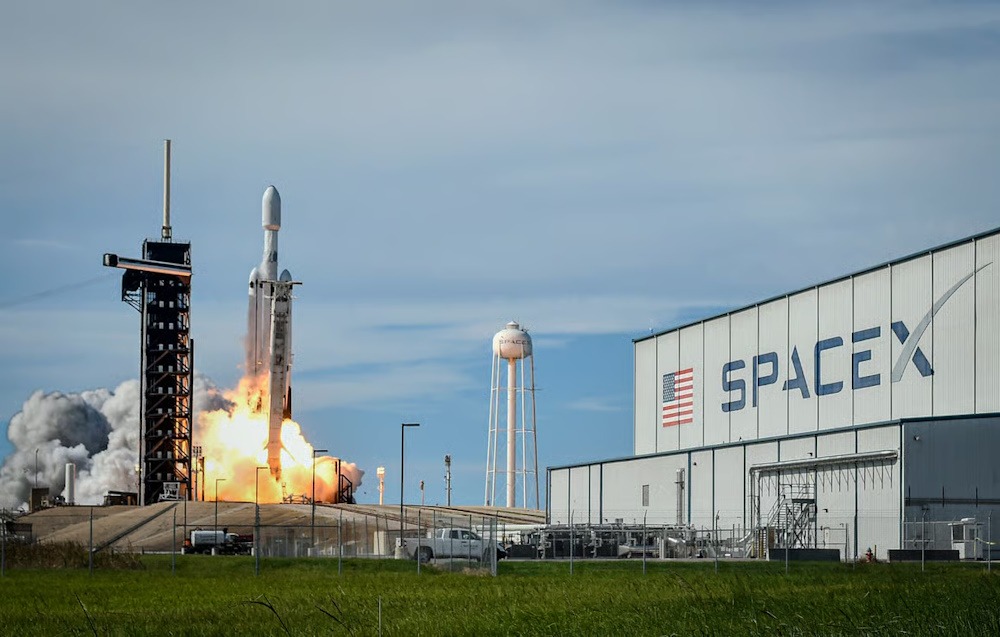
SpaceX is poised to offer insider shares in a deal that would appraise Elon Musk’s rocket and satellite company at a valuation exceeding OpenAI’s unprecedented $500 billion, according to sources. The company’s latest tender offer could value SpaceX at as much as $800 billion, according to sources. According to one source, SpaceX may consider an initial public offering as early as late next year. The specifics, deliberated by SpaceX’s board of directors on Thursday at its Starbase hub in Texas, may vary depending on the interest from insider sellers and buyers or other influencing factors, according to several sources. Another individual informed about the situation indicated that the share price being considered exceeds $400 per share, which would place SpaceX’s valuation between $750 billion and $800 billion, although these specifics may be subject to alteration. If confirmed, this would position SpaceX as the world’s most valuable privately held company, surpassing the previous record of $500 billion established by OpenAI, the owner of ChatGPT, in October.
The most recent figure represents a significant rise from the $212 per share established in July, when the company secured funding and sold shares at a valuation of $400 billion. A representative for SpaceX has not provided a response to the request for comment. Reports says that a deal would value SpaceX at $800 billion. Reports regarding SpaceX’s valuation have led to a surge in shares of EchoStar Corp., a satellite TV and wireless company, increasing by as much as 18 percent. In the previous month, EchoStar reached an agreement to sell spectrum licenses to SpaceX for $2.6 billion, supplementing an earlier deal to transfer approximately $17 billion in wireless spectrum to Musk’s company. SpaceX stands as the world’s most prolific rocket launcher, commanding the space industry with its Falcon 9 rocket, which transports satellites and individuals into orbit. SpaceX stands as the industry leader in delivering internet services from low-Earth orbit via Starlink, a network comprising over 9,000 satellites that significantly outpaces competitors such as Amazon.com Inc.’s Amazon Leo.
SpaceX stands out in a select group of companies capable of securing funding at valuations exceeding $100 billion, all while postponing or outright denying any intentions of going public. An IPO of the company at a $800 billion value would elevate SpaceX into an exclusive category — the 20 largest public companies, positioned just below Musk’s Tesla Inc. If SpaceX sold 5 percent of the company at that valuation, it would need to sell $40 billion of stock — establishing it as the largest IPO in history, surpassing Saudi Aramco’s $29 billion listing in 2019. The firm sold only 1.5 percent of the company in that offering, a significantly smaller portion than what most publicly traded companies typically offer. A listing would also expose SpaceX to the fluctuations associated with being a public company, in contrast to private firms whose valuations remain closely guarded secrets. The reception of space and defense company IPOs in 2025 has been varied. Karman Holdings Inc.’s stock has nearly tripled since its debut, whereas Firefly Aerospace Inc. and Voyager Technologies Inc. have experienced declines of double-digit percentages since their respective launches. SpaceX executives have consistently proposed the notion of separating SpaceX’s Starlink business into an independent, publicly traded entity — a concept that President Gwynne Shotwell initially introduced in 2020.
Nonetheless, Musk has expressed skepticism about the possibility over the years, and Chief Financial Officer Bret Johnsen stated in 2024 that a Starlink IPO is more likely to occur “in the years to come.” Sources reported on Friday that SpaceX has informed investors and representatives from financial institutions that it aims for an IPO of the entire company in the latter half of next year. A tender or secondary offering, which allows employees and certain early shareholders to sell shares, offers investors in privately held companies like SpaceX a means to create liquidity. SpaceX is in the process of developing its new Starship vehicle, touted as the most powerful rocket ever created, designed to launch a significant number of Starlink satellites and transport cargo and people to the moon and, ultimately, Mars.