Amazon Stock Dips After $200 Billion AI Investment Pledge
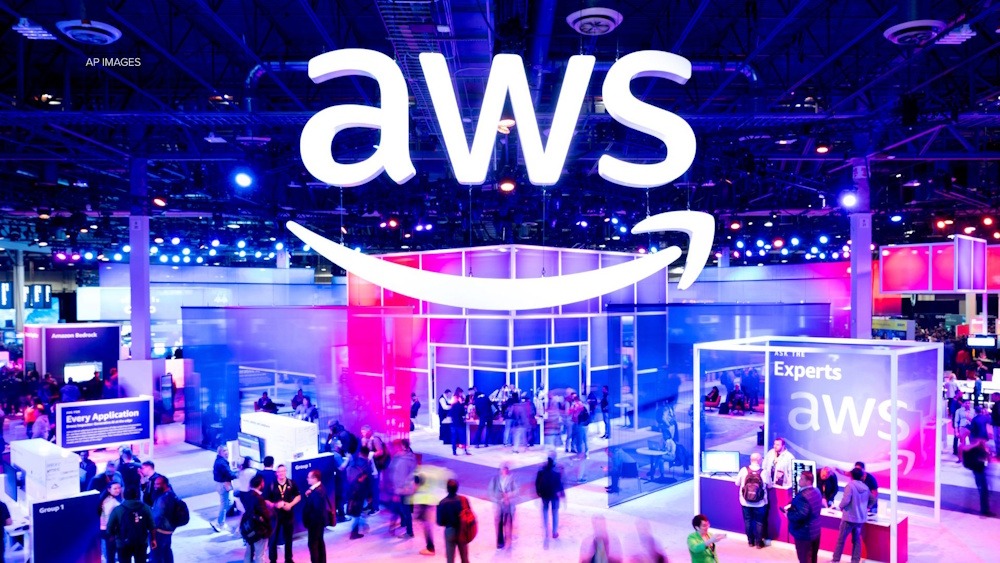
Shares of Amazon.com Inc. fell following the company’s announcement of a $200 billion investment this year in data centers, chips, and other equipment. This move has raised concerns among investors about the potential long-term returns of its significant commitment to artificial intelligence. The company disclosed an expenditure of approximately $130 billion on property and equipment in 2025. Experts projected that those expenses would amount to approximately $150 billion this year. Chief Executive Officer Andy Jassy stated that the funds “predominantly” would be allocated to the company’s Amazon Web Services cloud unit, with the majority of that expenditure directed towards AI workloads. “I think this is an extraordinarily unusual opportunity to forever change the size of AWS and Amazon as a whole,” Jassy stated. “We view this as a unique opportunity and we intend to invest vigorously to establish ourselves as the leader.” The spending will impact profits, as Amazon projects an operating income for the current quarter between $16.5 billion and $21.5 billion. On average, analysts estimated $22.2 billion. The shares experienced a decline of up to 10% as the markets opened in New York on Friday, marking the largest intraday drop since August 2024. Amazon’s stock has experienced a decline of approximately 13% thus far this year.
Microsoft Corp. and Alphabet Inc., having reported their results earlier, also incurred expenses that exceeded expectations, leading to a decline in their shares as concerns grow regarding whether the demand for AI services justifies such substantial investments. AWS revenue increased by 24% to $35.6 billion — marking the largest quarterly growth in over three years, the company stated. The cloud unit reported an operating income of $12.5 billion. “The negative reaction is a result of bigger increases to capex than to AWS revenue,” stated Gil Luria. “Much like Microsoft, investors are concerned that investments are growing faster than returns, and that Amazon, Google and Microsoft are locked in an escalating build-out that may not work out for all of them.” Amazon plans to allocate a portion of its capital expenditures to enhance its competitive stance against SpaceX’s Starlink internet service by deploying satellites in low-Earth orbit. Additionally, the company aims to boost the integration of robotics within its logistics operations to expedite e-commerce deliveries and to expand its presence by opening new Whole Foods grocery stores. However, according to Jassy, the majority of the $200 billion will be allocated to Amazon’s initiative to satisfy the demand for computing power from AI clients.
The CEO stated that AWS had an order backlog of $244 billion in the fourth quarter, indicating sales anticipated to be realized in the future. This figure represents a 40% increase from the same period last year and a 22% rise from the prior quarter. “There is a lot of demand,” Jassy stated. Total revenue rose by 14% to reach $213.4 billion in the fourth quarter. Operating profit stood at $25 billion for the period that concluded on Dec. 31. Nonetheless, Amazon’s e-commerce operation accounts for the majority of the company’s revenue. Online store sales surged 10% to $83 billion, exceeding analysts’ average estimate of $82.3 billion. This suggests that the Seattle-based company remains a preferred choice for internet shoppers, even amid increased competition from other retailers. “The core retail business maintained solid growth through the all-important holiday quarter, with a notable improvement in North America profitability driven by operational leverage in fulfillment despite the expansion of ever-faster delivery,” Sky Canaves stated.
In the bustling holiday quarter, advertising revenue surged by 23%, reaching $21.3 billion, surpassing expectations. Investors closely monitor the growth rate of Amazon’s advertising business, as it significantly enhances the profitability of the online retail operation. In a move aimed at reducing bureaucracy and enhancing agility within Amazon, Jassy announced the layoff of 16,000 corporate employees last month. The job cull has raised the company’s most recent headcount reductions to 30,000. Amazon disclosed that its workforce, comprising both full- and part-time employees, increased by 1% year-over-year, reaching approximately 1.58 million as of December 31, prior to the announcement of the latest job cuts.