US Judge Rules Refunds for Firms After Trump Tariffs Overturned
A federal judge in New York delivered a setback for the Trump administration on Wednesday, ruling that companies that paid tariffs, which were invalidated by the Supreme Court last month, are entitled to refunds. Judge Richard Eaton of the US Court of International Trade stated that “all importers of record” were “entitled to benefit” from the Supreme Court ruling that invalidated the significant double-digit import taxes imposed by President Donald Trump last year under the 1977 International Emergency Economic Powers Act. The Supreme Court determined that those tariffs were unconstitutional under the emergency powers law, including the extensive “reciprocal” tariffs imposed on nearly every other country. The majority determined that the president lacked the authority to unilaterally establish and modify tariffs, as the power of taxation is unequivocally vested in Congress.
In his ruling, Eaton stated that he alone “will hear cases pertaining to the refund of IEEPA duties.” This ruling provides some clarity regarding the tariff refund process, a topic that the Supreme Court did not address in its Feb 20 decision. Trade lawyer Ryan Majerus, a partner at King & Spalding and a former US trade official, stated, “I expect the government to appeal or seek a stay to buy more time for US Customs to comply.” The federal government amassed over $130 billion in tariffs that are no longer in effect through mid-December and may eventually face refunds totaling $175 billion, as per estimates from the Penn Wharton Budget Model. Eaton was ruling specifically on a case brought by Atmus Filtration, a Nashville, Tennessee, company that manufactures filters and other filtration products, asserting a claim for a tariff refund.
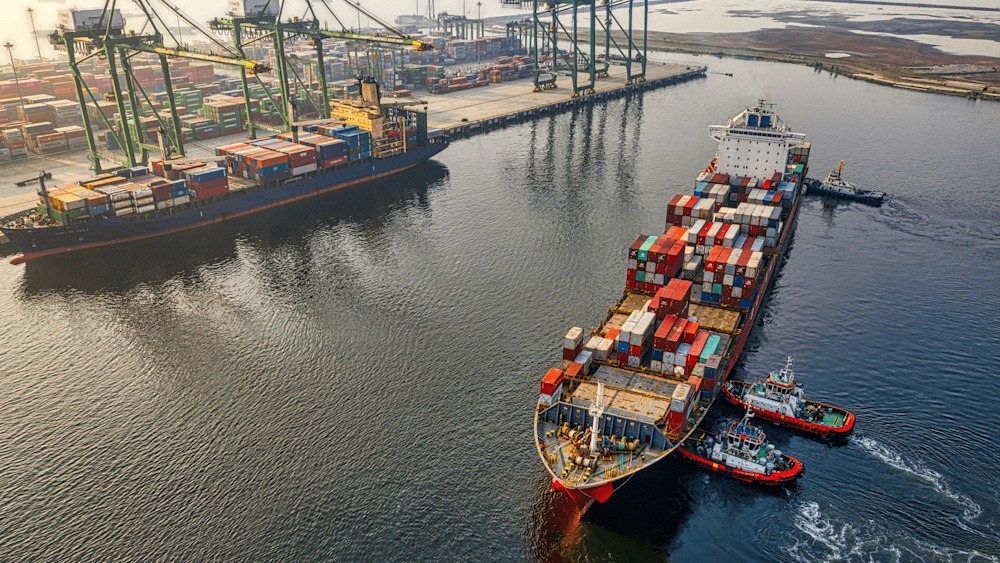
All goods that pass through US Customs and Border Protection undergo a process known as “liquidation,” during which the agency provides its final accounting of what is owed. Once liquidated, importers have a period of 180 days to formally contest the duties. Once that window closes, the liquidation is legally final. The judge has directed customs to cease the collection of the IEEPA tariffs that were invalidated by the Supreme Court last month concerning goods undergoing the liquidation process. And if the goods were past that part of the process, the agency would have to recalculate them without the tariffs. “This is a great decision for importers and consumers who paid,” said Barry Appleton. “It will keep customs brokers occupied. It should facilitate the courts’ operations – and initiate a process for those importers who made payments within the last 180 days.”
On Monday, yet another federal court dismissed the Trump administration’s efforts to impede the refund process. The US Court of Appeals for the Federal Circuit has initiated the next phase in the refund process by referring the matter to the New York trade court for resolution. The US Customs and Border Protection agency is now tasked with devising a method to process the refunds. Customs regularly issues refunds for tariffs in cases of errors; however, its system was “not designed for a mass refund,” stated trade lawyer Alexis Early. “The devil will be in the details of the administrative process.”