US Forces Halt Oil Tanker Near Venezuela as Trump Intensifies Pressure
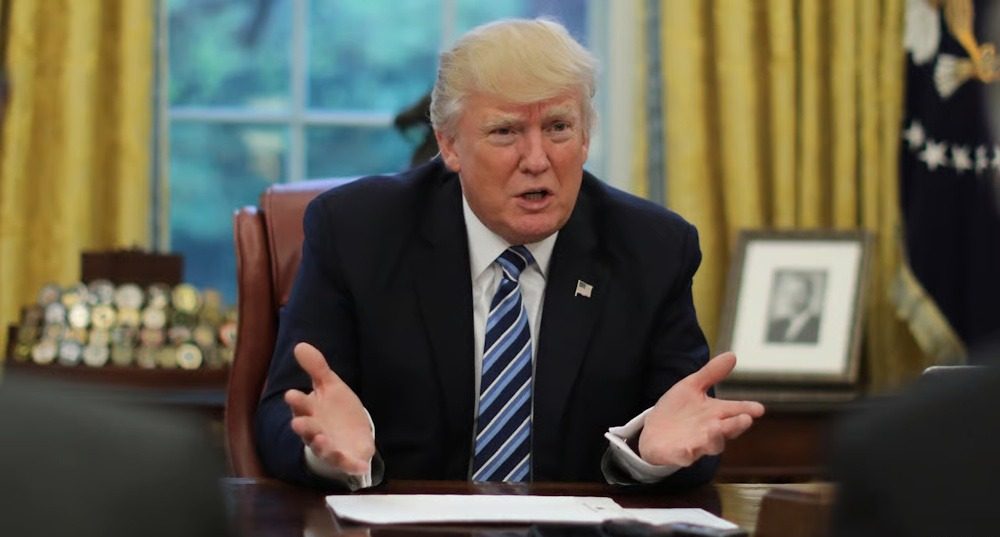
US forces on Saturday intercepted an oil tanker off the coast of Venezuela for the second time in less than two weeks as President Donald Trump intensifies pressure on Venezuelan President Nicols Maduro. The pre-dawn operation occurs just days after Trump declared a blockade of all sanctioned oil tankers entering and exiting the South American nation, and it follows the December 10 seizure by American forces of an oil tanker off the coast of Venezuela. Homeland Security Secretary Kristi Noem confirmed that the US Coast Guard, with assistance from the Defense Department, halted the oil tanker that was last docked in Venezuela. She additionally shared on social media an unclassified video depicting a US helicopter landing personnel on a vessel named Centuries. A crude oil tanker registered under the Panamanian flag has been observed near the Venezuelan coast, as reported by MarineTraffic, a project that monitors vessel movements worldwide using publicly accessible data. The status of the vessel concerning US sanctions remains uncertain at this time. The United States will persist in its efforts to combat the illegal trafficking of sanctioned oil that finances narco-terrorism in the region, Noem stated on X. We will locate you, and we will put an end to your actions.
A US official stated that the action was a consented boarding, with the tanker stopping voluntarily and permitting US forces to board it. Pentagon and White House officials did not immediately respond to requests for comment. In a statement on Saturday, Venezuela’s government described the actions of US forces as criminal and pledged to ensure accountability by exploring multiple legal avenues, including filing complaints with the United Nations Security Council. The Bolivarian Republic of Venezuela firmly denounces and rejects the theft and hijacking of yet another private vessel carrying Venezuelan oil, along with the enforced disappearance of its crew, actions attributed to United States military personnel in international waters, as stated in the official declaration. Following the first tanker seizure of a vessel named the Skipper this month, Trump vowed that the US would carry out a blockade of Venezuela. Trump has intensified his rhetoric against Maduro, cautioning that the longstanding Venezuelan leader’s time in power is limited.
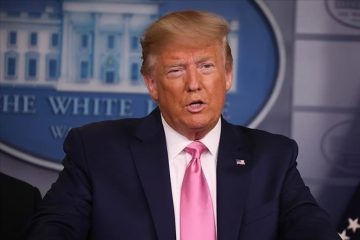
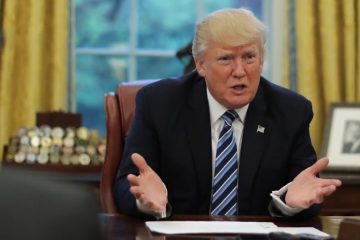
This week, the president called for Venezuela to return assets that it had seized from US oil companies years ago, reiterating his justification for the announcement of a blockade against oil tankers traveling to or from the South American country that are subject to American sanctions. Trump referenced the lost US investments in Venezuela when questioned about his latest strategy in a pressure campaign against Maduro, implying that the Republican administration’s actions are at least partially driven by conflicts over oil investments, in addition to allegations of drug trafficking. Some sanctioned tankers are already diverting away from Venezuela. “We’re not going to be letting anybody going through who shouldn’t be going through,” Trump told reporters earlier this week. Do you recall when they seized all of our energy rights? They seized all of our oil not too long ago. And we want it back. They took it; they illegally took it. US oil companies held a commanding presence in Venezuela’s petroleum industry until the nation’s leaders took steps to nationalise the sector, initially in the 1970s and once more in the 21st century under Maduro and his predecessor, Hugo Chávez. The compensation provided by Venezuela was considered inadequate, leading an international arbitration panel in 2014 to mandate that the nation’s socialist government pay USD1.6 billion to ExxonMobil.
The targeting of tankers follows Trump’s directive to the Defense Department to execute a series of attacks on vessels in the Caribbean and eastern Pacific Ocean, which his administration claims are involved in smuggling fentanyl and other illegal drugs into the United States and beyond. Since early September, at least 104 individuals have lost their lives in 28 documented strikes. The strikes have come under examination from US lawmakers and human rights advocates, who assert that the administration has provided little evidence that its targets are truly drug smugglers and that the lethal strikes constitute extrajudicial killings. The Coast Guard, often in collaboration with the Navy, has traditionally intercepted vessels suspected of drug smuggling in the Caribbean Sea, conducted searches for illegal cargo, and apprehended individuals on board for legal action. The administration has defended the strikes as essential, claiming it is engaged in armed conflict with drug cartels to stop the influx of narcotics into the United States. Maduro is confronted with federal charges of narcoterrorism in the United States. In recent months, the U.S. has deployed a fleet of warships to the region, marking the largest buildup of forces in generations. Trump has consistently asserted that land attacks are imminent. Maduro has maintained that the true aim of the U.S. military operations is to oust him from power. In an interview with Vanity Fair published this week, White House chief of staff Susie Wiles stated that Trump intends to continue targeting boats until Maduro concedes defeat.