US Anti-Vaccine Shift Undermines Global Efforts
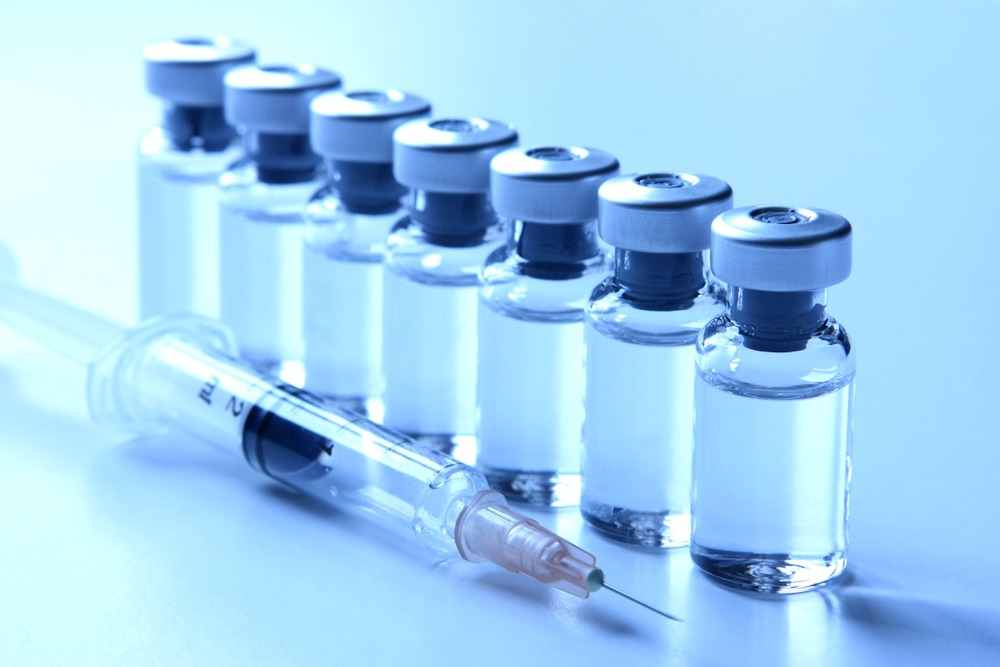
When Vietnam considered making Covid vaccines mandatory for children, many parents resisted over fears of side effects and rumors of expired doses. The mandate never came — but caution grew, with parents scrutinizing vaccine packaging more closely. That skepticism didn’t grow into a wider anti-vaccine movement as in the United States. Instead, Covid revived gratitude for immunization. In 2024, Vietnam’s measles vaccine coverage hit 98 per cent, and polio reached 99 per cent. “There was a scare,” said Basil Rodrigues, “and that’s why there was an almost global commitment to build a more robust system.”
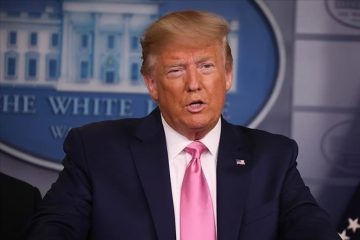
Brazil, Nigeria, Hungary, Samoa and others are investing more in vaccination to catch up after Covid amid rising outbreaks of measles and yellow fever. But the United States is an outlier — not because of public opinion, which still favors vaccines, but because of government policy. Health Secretary Robert F. Kennedy Jr. and other critics are stripping support for vaccine development, promotion and distribution under the “MAHA — Make America Healthy Again” banner. Florida recently became the first US state to end vaccine mandates, weakening a safeguard that ensured protection in an unequal health system. Mr. Kennedy has defunded research, installed critics on advisory panels, and limited Covid shot access. Experts worry this erodes confidence globally. As Heidi J. Larson of the Vaccine Confidence Project wrote in The Lancet: “The US, long a cornerstone of global health leadership, has become an unexpected source of global instability in vaccination confidence.”
The Department of Health and Human Services defended Kennedy, saying he was “being honest about what we know — and don’t know — about medical products.” But scientists warn facts are being sidelined with consequences that could last years. “The threat is this,” said Peter J. Hotez, “that the US-style anti-vax movement linked to MAHA wellness-influencer grifting and authoritarianism is now globalising.” Vaccine doubts are not unique to America. In Vietnam under French rule, vaccinations were seen as colonial tools, sparking sterilisation fears also found in Africa and among Canada’s Indigenous groups. In Pakistan, the CIA’s use of a fake hepatitis B vaccination program to locate Osama bin Laden caused lasting distrust. In China, a 2018 vaccine falsification scandal deepened resistance. Governments worldwide usually counter doubts with science and outreach. Many have long used school-entry mandates to boost coverage. A study of 194 countries found 106 with at least one vaccine requirement — diphtheria, measles, and tetanus being most common. Enforcement ranges from school bans for unvaccinated children to stricter steps, like Argentina blocking passports or Australia linking family benefits to immunisation.
Pakistan in 2023 threatened jail for parents refusing polio and other shots. Italy and France tightened mandates after measles outbreaks, raising coverage within two years. In California, a 2015 measles outbreak ended “personal belief” exemptions, but medical exemptions quadrupled — particularly in private schools. America was once a vaccine pioneer. In 1806, President Thomas Jefferson praised Edward Jenner’s smallpox vaccine. By 1855, Massachusetts mandated school vaccinations, and in 1905, the Supreme Court upheld mandates. Yet last week, Florida’s surgeon general Joseph A. Ladapo declared an end to mandates, asking, “Who am I to tell you what to put in your body?” The US is now exporting vaccine skepticism. Between 2018 and 2023, the Americas saw nearly 50,000 measles cases. From December 2024 to April 2025, yellow fever surged with 212 cases and 85 deaths, triple the year before. Many outbreaks were imported, showing how fragile systems remain.
Experts warn the retreat of US leadership weakens global preparedness. “Our response to infectious diseases relies on a strong US presence,” said Yale professor Jason L. Schwartz. “Steady weakening of US support will invariably weaken the global fight.” What makes this moment unusual, experts add, is that a wealthy, influential nation is casting doubt on vaccines themselves. Perhaps Vietnam and others with rates above 95 per cent will avoid fallout. But even a small dip in global coverage creates vulnerability. As UNICEF veteran Rodrigues warned after polio re-emerged in Papua New Guinea: “If anyone is unprotected, there’s a risk to everyone.”