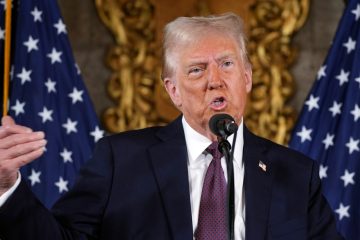
Trump requests House vote to end shutdown swiftly
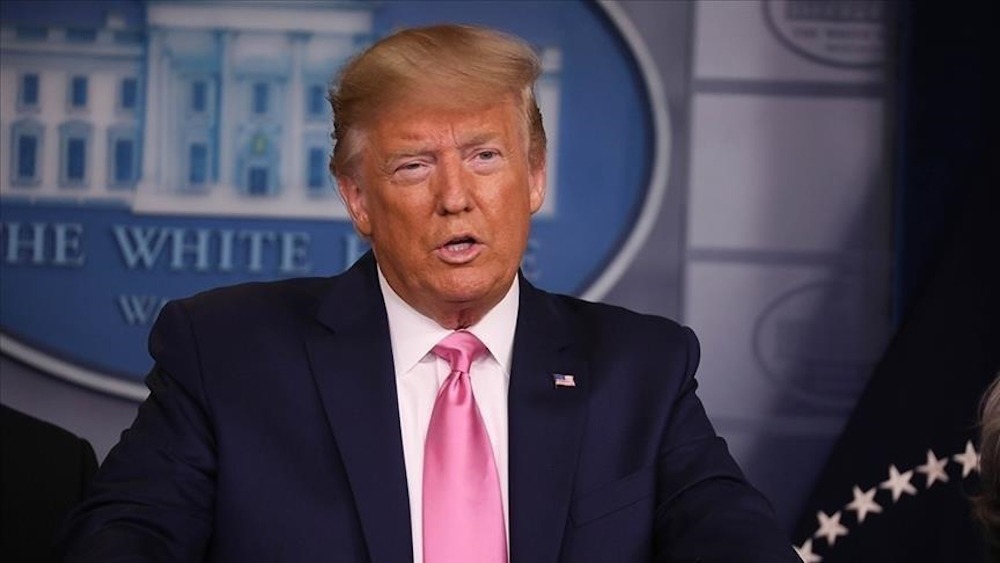
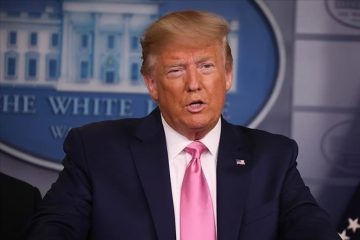
President Donald Trump urged the House on Monday to bring an end to the partial government shutdown, yet neither Republicans nor Democrats seemed prepared to swiftly endorse the federal funding package he negotiated with the Senate without first discussing their own priorities regarding immigration enforcement operations. Democrats are withholding the votes that House Speaker Mike Johnson requires to advance the package, as they seek to curtail the Trump administration’s deportation efforts following the tragic shooting deaths of two Americans in Minneapolis. That situation is compelling Johnson to depend on his narrow GOP majority, which harbors its own grievances regarding the package, to align with Trump’s agreement with Senate Democrats. Voting may commence as early as Tuesday, marking the fourth day of the partial shutdown. The Pentagon, Homeland Security, and other agencies experienced a lapse in funding on Saturday. While numerous operations within those departments are considered essential and continue to function, some employees may face unpaid leave or furloughs.”We need to get the Government open, and I hope all Republicans and Democrats will join me in supporting this Bill, and send it to my desk WITHOUT DELAY,” the president wrote on social media. “There can be NO CHANGES at this time,” Trump insisted. “We will collaborate earnestly to tackle the concerns that have been presented, but we cannot endure another lengthy, futile, and damaging Shutdown.” The stalemate indicates a challenging week ahead as Johnson depends on Trump to exert influence for the package’s passage.
The president reached an agreement last week with Senate Democratic Leader Chuck Schumer, stipulating that funding for Homeland Security would be temporary, lasting only until February 13, while Congress deliberates on modifications to immigration enforcement operations. The Senate decisively passed the package alongside the remaining government funding in advance of Saturday’s deadline. House Democratic Leader Hakeem Jeffries stated on Monday that his party sees no justification for assisting Johnson in advancing the bill through a procedural step, a responsibility that the majority party usually manages independently. As Johnson confronts dissent within his own Republican party, Jeffries is capitalizing on the opportunity to urge Democrats to seek modifications in immigration operations. “On rare occasions have we stepped in to deal with Republican dysfunction,” Jeffries stated. Democrats are calling for additional limitations on Immigration and Customs Enforcement, extending beyond the $20 million allocated for body cameras that is already included in the bill. Homeland Security Secretary Kristi Noem announced Monday that officers on the ground in Minneapolis, including ICE, will be immediately issued body-worn cameras, and the program would be expanded nationwide as funding is available. However, Democrats are advocating for additional measures. They seek to mandate that federal immigration agents reveal their identities – pointing out that few, if any, other law enforcement agencies in the U.S. typically conceal themselves – and they advocate for officers to depend on judicial warrants instead of administrative ones in their operations. They are calling for an end to roving patrols, among other changes. Jeffries emphasized that the administration must initiate negotiations immediately, rather than waiting for the next two weeks, regarding adjustments to immigration enforcement operations.
Some Democrats, however, are diverging from the leader, advocating for a more expedited passage of the funding package to prevent government disruptions. Simultaneously, House Republicans, alongside certain allies in the Senate, are articulating their own demands as they endeavor to bolster Trump’s stringent measures on immigration within the US. The House Freedom Caucus has emphasized the need for comprehensive funding for Homeland Security, while some Republicans advocate for the inclusion of additional measures, such as the SAVE Act. This longshot priority of Trump’s would mandate proof of citizenship for Americans to be eligible to vote and participate in elections. Johnson and GOP leaders stated they would engage with lawmakers to determine what is necessary to garner support. “Obviously the president really wants this,” Majority Leader Steve Scalise stated. “We always work ’til the midnight hour to get the votes,” Scalise said. “You never start the process with everybody on board. You work through it.” Employees may go unpaid if the partial government shutdown continues. Meanwhile, several federal agencies find themselves caught in the funding standoff following the government’s partial shutdown over the weekend. The administration provided shutdown guidance for sectors including defense, health, transportation, and housing. However, many operations are classified as essential, ensuring that services are not necessarily disrupted. Workers may face unpaid periods if the deadlock continues. Some may face furloughs.
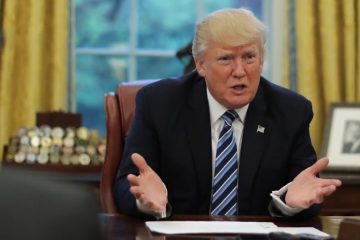
Lawmakers from both parties are expressing growing concern that the closure will hinder the Federal Emergency Management Agency, which they depend on to assist constituents following deadly snowstorms and other disasters. This marks the second instance within a few months where federal government operations have faced disruption, as lawmakers leverage the annual funding process to secure policy changes. Last fall, Democrats initiated what ultimately became the longest federal shutdown in history, lasting 43 days, in response to the expiration of health insurance tax breaks. The conclusion of that shutdown came with a commitment to hold a vote on proposals aimed at extending the Affordable Care Act tax credits. However, due to opposition from the GOP, Democrats could not accomplish their objective of maintaining the subsidies. In the new year, insurance premiums surged for millions of individuals. Trump is actively pursuing an immigration deal to prevent the shutdown from extending further. Johnson stated that he was present in the Oval Office last week when Trump, accompanied by border czar Tom Homan, engaged in a conversation with Schumer of New York regarding the immigration changes. Johnson stated that body cameras, which are already included in the package, and the cessation of roving patrols by immigration agents are areas where potential agreement exists.
However, Johnson set a boundary regarding additional demands from the Democrats. He expressed doubt that mandating immigration officers to remove their masks would garner support from Republicans, as it could result in issues if their personal images and private information were shared online by protesters. “I don’t think the president would approve it – and he shouldn’t,” Johnson stated during an appearance. Senate Majority Leader John Thune has slowed the momentum behind the Democratic push for judicial warrants in officers’ searches, indicating that this issue will likely feature in upcoming negotiations. “It’s going to be very difficult to reach agreement in two weeks,” Thune said. Democrats, however, asserted that the immigration operations are out of control and must come to an end in Minneapolis and other cities. An increasing number of lawmakers are demanding Noem’s dismissal or impeachment.