Mamdani considers 10% NYC property tax hike as a last resort
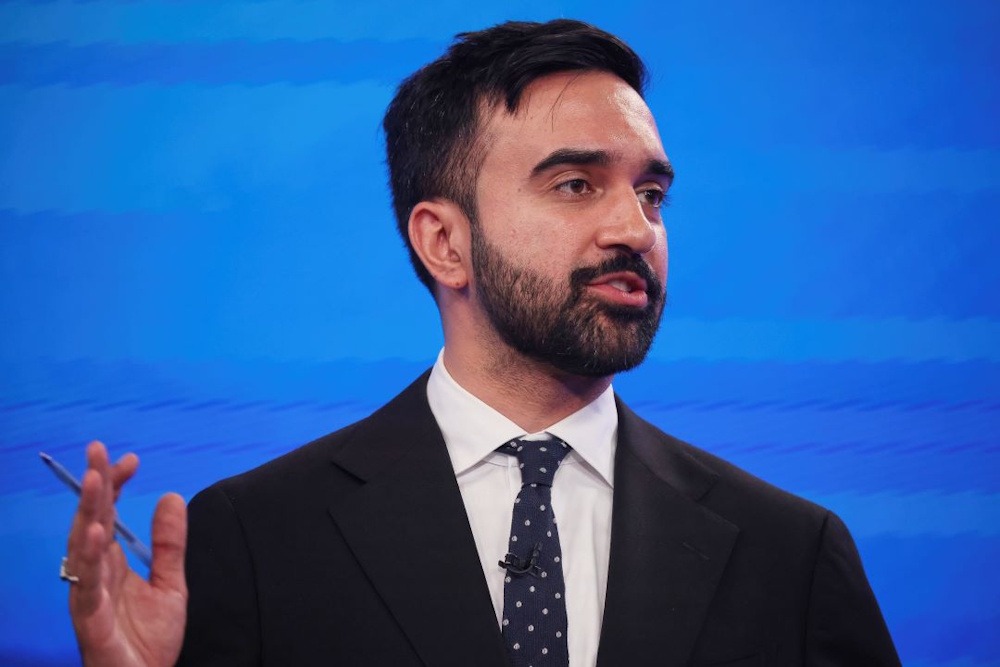
New York City Mayor Zohran Mamdani has issued a firm ultimatum, indicating a potential increase in property taxes by nearly 10% to pressure Governor Kathy Hochul for additional funding. There exists a singular issue. Hochul, currently campaigning for reelection in November, remains steadfast in her opposition to increasing taxes on corporations and affluent individuals, consistently asserting that there is no justification for raising these levies at this juncture. Furthermore, the leadership of the City Council is resolute in their opposition to any increase in property taxes. The proposal requires council approval for implementation. Mamdani ascended to office amid a surge of optimism and grand commitments to provide free childcare, complimentary public transportation, and a moratorium on rent increases for New Yorkers grappling with the challenges of a city that has grown progressively unaffordable. The $127 billion spending plan unveiled on Tuesday exemplifies the constraints of municipal budgeting that may impede the implementation of a progressive agenda, which has historically depended on collaboration with Albany. “The move is very bold, but it’s in keeping with Mamdani’s script, which is to be very bold,” stated Lee Miringoff. “Hochul is unlikely to yield to his threats; however, this may not be the final instance in which she extends assistance to the city.”
Mamdani’s strategy represents a calculated risk, relying on his fervent political constituency, legislative allies, personal charisma, and a robust social-media following to persuade Hochul to endorse tax increases in an election year, despite her prior commitments against such measures. Hochul’s budget proposal released last month did not incorporate significant tax increases. Mamdani, in his capacity as mayor, possesses limited autonomy in revenue generation, depending heavily on state legislators and the governor for any potential increases in income or corporate taxes. His proposal to increase property tax rates was presented as a measure of last resort should Hochul fail to allocate additional funds beyond the $1.5 billion designated on Monday. The proposed rate, if enacted, would affect upwards of 3 million residential properties and in excess of 100,000 commercial establishments. “We do not want to have to turn to such drastic measures to balance our budget,” Mamdani stated. “However, confronted with no alternative, we will be compelled to.” The proposal faced significant criticism from the real estate sector, local advocacy organizations, and several Democratic City Council members, many of whom align politically with Mamdani.
Some have observed that this action would disproportionately affect lower-income and middle-class residents compared to the city’s wealthiest, highlighting an inequity that Mamdani has committed to addressing. “It’s irresponsible to discuss increasing property taxes without reforming the property tax system,” Nantasha Williams stated in an interview. “It appears that passing will present significant challenges.” Mamdani’s proposed budget for the upcoming fiscal year starting July 1 did not encompass suggestions for financing free bus service, city-operated grocery stores, or a new department intended to handle specific mental health calls previously managed by the police department—elements that city officials indicated he intended to incorporate in an April budget update. An investment was secured from Hochul to partially fund his childcare agenda, which includes providing free options for the city’s 2-year-olds. Mamdani is also tasked with addressing a budget shortfall of approximately $5 billion, which he attributes to the previous administration’s inadequate allocation of funds for services.
New York, akin to numerous other municipal administrations, is mandated to maintain a balanced budget. Additionally, the city’s budget has expanded significantly, increasing by 55% over the past ten years. In 2017, former Mayor Bill de Blasio put forward a spending plan amounting to $82.1 billion, whereas the outline presented by Mamdani on Tuesday reached $127 billion. In recent years, the increase in expenses has predominantly been supported by revenue that has exceeded expectations, propelled by the financial sector of the city and bonuses from market. “New York does not have a revenue problem.” Jessica Walker stated “It has a spending velocity problem.”