Fed Governor Stephen Miran Resigns from White House Role
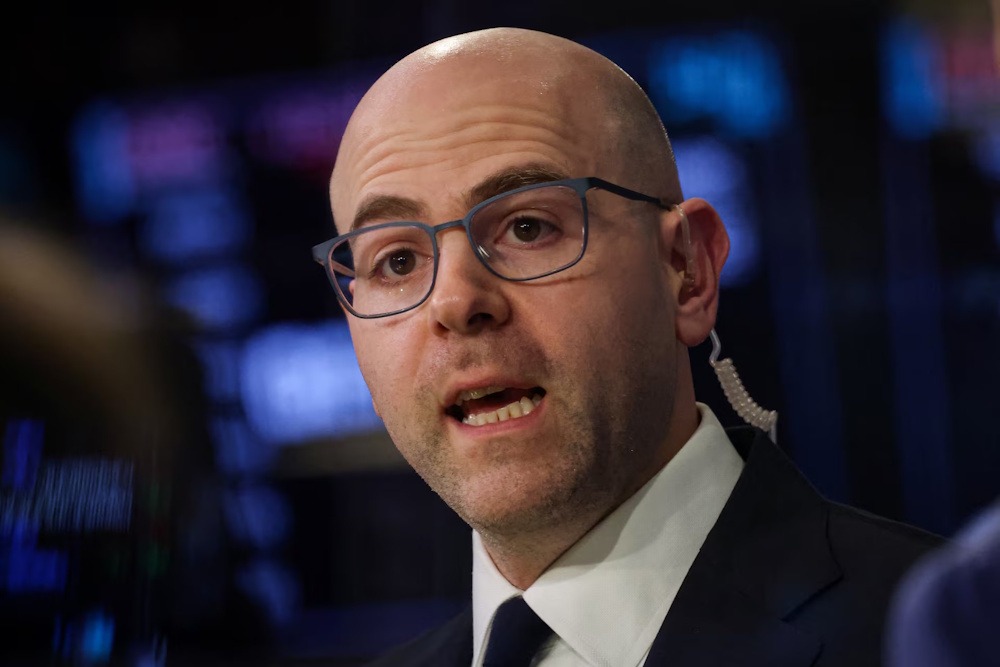
Stephen Miran, a prominent economist under President Donald Trump, resigned from his leadership position at the White House’s Council of Economic Advisers on Tuesday, while his term as a Federal Reserve Governor remains ongoing, as detailed in a letter. His departure was initially reported by Barron’s. Miran was confirmed by the Senate to serve at the Fed while maintaining his position at the White House through an unpaid leave, a rare arrangement. In his letter dated Tuesday, Miran stated that he had assured senators he would vacate the White House if he continued at the Fed beyond January. White House spokesperson Kush Desai stated, “his brilliant insights and powerful advocacy on behalf of the President made him an enormous asset for the White House, and he established himself as a key member of the Trump administration’s economic team.” Miran’s term officially came to an end on January 31, as he was fulfilling the remaining months for a governor who had resigned the previous year.
However, Miran’s ongoing presence in that position presents a chance for Trump. The president has put forward Kevin Warsh as the nominee to take over as the new Fed chair when Jerome Powell’s term at the helm of the central bank concludes in May. Due to Federal Reserve regulations, only a current Fed governor is eligible to take on the role of chair – and at this time, there are no available governor positions. (Powell’s concurrent term as a Fed governor is set to continue until 2028.) Instead, Trump can replace Miran with Warsh as Powell’s departure approaches, then promote Warsh from that point onward.
The situation involves a complex series of maneuvers that highlights how Trump has subjected the Fed – along with its interest-rate policies – to significant scrutiny as the president advocates for lower interest rates. In the last year, Trump and his allies have executed a vigorous pressure campaign directed at the Fed, asserting that central bankers have been sluggish in their efforts to reduce interest rates. The president has repeatedly belittled Powell and issued threats of termination. Last month, Powell disclosed that federal prosecutors are examining the testimony he provided to Congress regarding a renovation of the Fed’s headquarters in Washington, DC. In a video, he stated that the investigation is a “pretext” to increase pressure on the central bank and undermine its political independence.
Meanwhile, Miran has advocated for lower interest rates since joining the board in September. In speeches, he has asserted that the US economy faces the threat of a recession if Fed officials do not reduce rates swiftly enough. He has expressed dissent at four meetings as a Fed governor, advocating for larger rate cuts. The Fed last year lowered rates three times, each by a quarter point; however, Miran diverged from the consensus to advocate for more substantial half-point cuts.