Asian Markets Stumble as Trump Unleashes Fresh Tariffs

The latest tariffs imposed by US President Trump have reverberated across Asia, intensifying the turmoil faced by companies already navigating uncertainty. This development also complicates matters for trade officials who are working to finalize the details of recently established trade agreements. Asia, accounting for approximately 40 percent of goods imported into the United States, has faced significant challenges due to Trump’s efforts to reshape the global trade landscape. In recent months, trade officials throughout the region have been actively engaged in negotiations with his administration, striving to secure agreements that would avert the imposition of harsh tariffs that could severely impact domestic industries.
On Thursday, Trump announced another round of tariffs, which are set to take effect on October 1. These tariffs will impose import duties ranging from 25 percent to 100 percent on a variety of goods, including pharmaceuticals, heavy trucks, kitchen cabinets, bathroom vanities, and upholstered furniture. A considerable share of the manufacturing of furniture and kitchen cabinets is sourced from China and Southeast Asia. In a clear indication of the fast-paced dynamics of US policy, Trump’s own trade representative, who was in Malaysia on Thursday engaging in negotiations with officials from Asian countries, indicated that the administration was not intending to impose additional tariffs. “What we are focused on now are the negotiations, not putting out rounds of tariffs,” stated Jamieson Greer, during a press briefing at a meeting of the Association of Southeast Asian Nations in Kuala Lumpur.
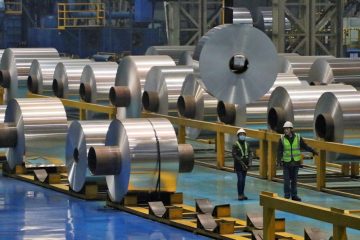
The newly implemented import duties add to the expanding roster of industry-specific tariffs introduced by Trump, significantly influencing Asia. These tariffs impact not only the importation of automobiles but also essential materials including copper, steel, and aluminum. Trump has declared the implementation of new duties, even as numerous unresolved matters persist concerning his so-called reciprocal tariffs. These tariffs, initially announced in April, remain under negotiation with various countries in Asia. In July, he successfully reached an agreement with the European Union, which stands as another significant trading partner for the United States. As of now, the United States has not succeeded in reaching a trade agreement with Asia’s two largest economies: China and India. The White House successfully obtained commitments from Japan and South Korea during the summer months; however, both nations are hesitating on the specifics of implementing a crucial aspect of the agreement — a collective investment of $900 billion in the United States.
Another factor looming over the negotiations is a legal question regarding Trump’s use of emergency economic powers as the legal basis for certain tariffs. The Supreme Court has decided to hear arguments in November regarding a lower-court ruling that struck down numerous global tariffs. The ruling indicated that the emergency law invoked by the president did not provide him with the authority to implement his extensive tariff campaign.