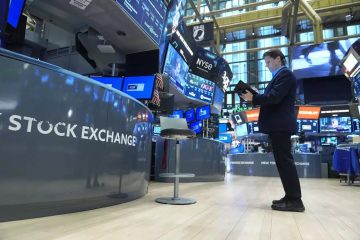
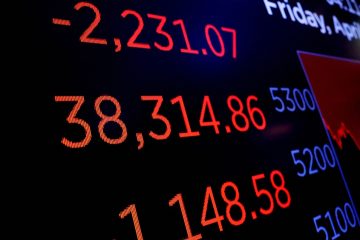
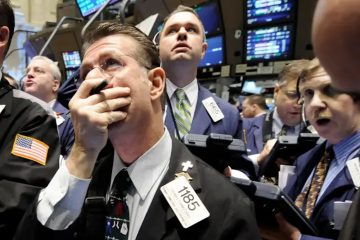
Asian markets shake as selloff undermines investor confidence
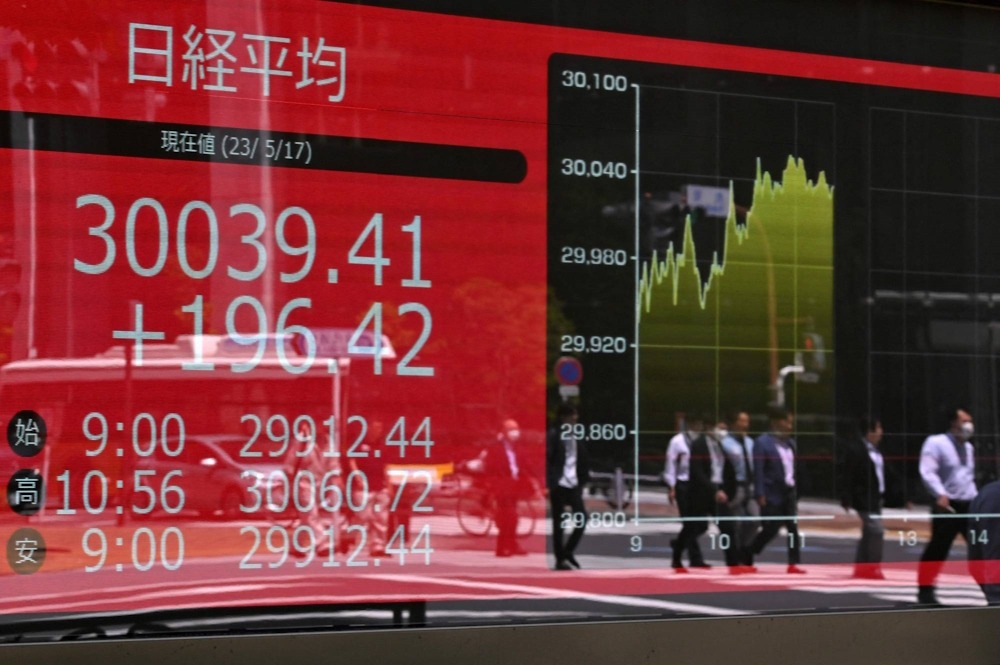
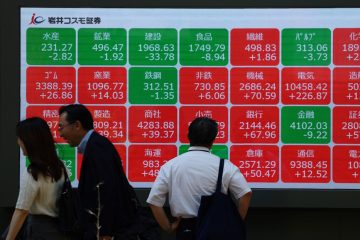
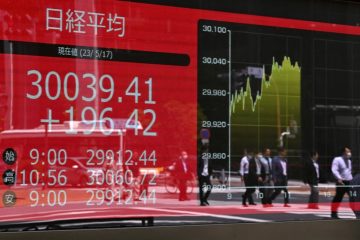
Asian stocks found stability following a shaky beginning on Tuesday, as a new AI-related selloff on market unsettled investors. Sentiment was further dampened by increased concerns regarding US President Donald Trump’s tariff policy and ongoing geopolitical tensions. MSCI’s broadest index of Asia-Pacific shares outside Japan was on track for a seven-day rally, advancing 0.4 percent as benchmarks in Taiwan and South Korea both reached their highest level on record. Tokyo’s Nikkei 225 increased by 0.8 per cent, while China’s CSI 300 saw a rise of 1.3 per cent as markets in those regions adjusted following a holiday. S&P 500 e-mini futures experienced an increase of 0.3 percent. Overnight, the S&P 500 fell by 1.0 percent, wiping out the gains made over the past week, as concerns regarding the displacement effects of AI on software and other industries led to a 1.1 percent decline in the Nasdaq Composite.
A bearish analysis regarding potential risks to the global economy has further impacted already anxious investor sentiment. The report was “getting a lot of airplay,” stated Tony Sycamore. “It does align with numerous concerns that exist,” he added. “The Asia equity markets may not have significant exposure to the mega-tech stocks, yet they remain notably influenced by the AI revolution – their performance is strong due to this connection to AI, free from the worries of valuation.” Shares of companies that were at the center of the recent rally risked getting caught out on stretched valuations, stated Rupal Agarwal. “Stocks that have performed exceptionally well over the last 12 months in Asia and the US have attracted a significant number of investors, to a degree not witnessed since the cycles of 2000 or 2020,” she said. “With valuations at a record high and earnings revisions showing signs of peaking, the risk of reversal in these stocks is high.”
On Monday, Trump cautioned nations against retreating from recently negotiated trade agreements with the US following the Supreme Court’s decision to nullify his emergency tariffs, asserting that he would impose significantly higher duties under alternative trade regulations. The new tariffs stem from Section 122 of the Trade Act of 1974, leading to increased confusion in markets as they attempt to navigate US protectionist policies. Japanese trade minister Ryosei Akazawa has requested that the nation’s treatment under a new US tariff regime be as favourable as the agreement reached between the two sides last year. The government in Taiwan announced its intention to seek assurances from the US to guarantee that the favourable terms already agreed upon remain unchanged. The CBOE Volatility Index, often referred to as “fear gauge”, increased by 1.9 percentage points to reach 21.01. The return of Japan and China from holidays on Tuesday contributed to increased liquidity in regional markets. In relation to the yen, the US dollar exhibited a 0.2 percent increase, reaching 154.985 yen, following a report from the Nikkei newspaper. The report indicated that US authorities had taken the lead in performing the January “rate checks” aimed at supporting the Japanese currency and were prepared to engage in joint intervention should Tokyo make such a request.
The Chinese yuan rose 0.1 per cent to 6.8938 yuan against the dollar in offshore trade, as Beijing established the daily fixing for its currency at the strongest level in nearly three years and maintained its benchmark lending rate for the ninth consecutive month. On the US monetary front, Fed funds futures indicate an implied 95.5 percent probability that rates will remain unchanged at the upcoming two-day meeting on March 18, showing little variation from the previous day, as reported. The yield on the US 10-year Treasury bond increased by 1.9 basis points, reaching 4.0443 percent, as investors considered the implications of the Supreme Court’s decision on US tax receipts. In commodities markets, Brent crude rose by 0.8 per cent to $72.06 as tensions persisted between the US and Iran. On Monday, a senior State Department official stated that the department is withdrawing non-essential government personnel and their eligible family members from the US embassy in Lebanon, due to increasing concerns regarding the potential for military conflict. Amidst the prevailing uncertainty, precious metals and cryptocurrencies experienced continued volatility, as safe-haven gold declined by 0.9 percent to $5,182.23, while silver fell by 1.1 percent to $87.28. Bitcoin was last down 1.3 percent at $63,736.65, while ether slipped 1.6 percent to $1,834.30.