Washington’s economy faces another setback from shutdown

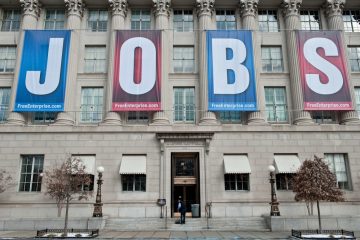
Amid the longest government shutdown, the mass firings of government workers, and a recent reduction in federal food aid, the Capital Area Food Bank in Washington is preparing for an increase in individuals seeking assistance as the holiday season approaches. The food bank, which serves 400 pantries and aid organizations in the District of Columbia, northern Virginia, and two Maryland counties, is providing 8 million more meals than it had prepared for this budget year, marking a nearly 20% increase. “The city is being hit especially hard,” said Radha Muthiah, “because of the sequence of events that has occurred over the course of this year.” The nation’s capital has faced significant challenges due to a series of decisions made by the Trump administration, including the layoffs of federal workers and the ongoing law enforcement intervention in the district. The additional impact of the shutdown, which has resulted in furloughed workers and suspended funding for food assistance, is further exacerbating the economic burden. The most recent data fails to reflect workforce changes that have occurred since the shutdown commenced on October 1. However, the September jobs report indicates that the seasonally adjusted unemployment rate remains at 6%, in contrast to the latest national rate of 4.3%, and has consistently been the highest in the nation for several months.
The economic challenges seem to be echoing in the political arena. Democrat Abigail Spanberger secured victory on Tuesday in the race for Virginia’s governorship, emphasizing throughout her campaign the impact of President Donald Trump’s actions on the state’s economy. Experts say the shutdown’s long-term impact on the regional economy will be felt long after the government reopens. Washington is home to the largest share of federal workers in the country, accounting for approximately 20% of the total, with around 150,000 federal employees residing in the area, according to official figures. By Monday, hundreds of thousands of federal workers nationwide will have gone without at least two full paychecks due to the shutdown. According to the reports, at least 670,000 federal employees are furloughed nationally, while approximately 730,000 are working without pay. Throughout the shutdown, the daily count of federal employees utilizing Washington’s transit system has decreased by approximately one-quarter in comparison to ridership figures from September. Eateries that the Restaurant Association of Greater Washington indicates were already grappling with narrow margins due to seasonal downturns and the repercussions of Trump’s deployment of armed National Guard members on city streets are encountering additional challenges at a moment when owners had anticipated a recovery.
Tracy Hadden Loh stated that the absence of paychecks is creating substantial cash flow problems for federal workers, which could result in defaults on mortgages and student loans. For local businesses, particularly those dependent on the discretionary spending of federal workers, it may intensify the effects during the crucial October-December sales period. “A lot of businesses rely on higher spending in Q4 in order to have a revenue positive year,” Loh said. Small businesses are experiencing the impact of that reduced spending. The crowd gathered to watch Liverpool’s Premier League game last weekend filled The Queen Vic, a bar in Northeast Washington, to capacity. “But that was not the case,” said Ryan Gordon. “We still had seats for people, which means the bars around us who get our overflow got nothing,” Gordon said. “Business is down about 50% compared with what it was before the shutdown,” he said. He views himself as fortunate in the local restaurant scene, as he owns the building and is not burdened by rent payments. “To the extent to which discretionary spending by DC area households is limited, that could push a lot of local businesses into the red,” Loh said. The culmination of the shutdown, the reduction in SNAP benefits, and layoffs are placing a significant burden on households that have never sought assistance before, she added. Thea Price was dismissed from her position at the US Institute of Peace in March of this year, as part of the broader initiative to reduce the size of the federal government. Her husband, a government contractor, faced job loss at a museum as well. Since then, they have relied on savings, Medicaid, and SNAP. Price, 37, recently visited a food pantry in Arlington, Virginia, for the first time.
The shutdown brought funding for SNAP to a standstill, following months of effort to secure it, and the $500 payments she receives each month were poised to cease. “Virginia sent a partial payment but it was not enough,” Price said. Faced with dwindling options to support herself and her family, Price is returning to her hometown in the Seattle area. “We can’t afford to stay in the area any longer and hope that something might pan out,” she said. We find ourselves in a significantly different situation compared to when these events began in March. At the Capital Area Food Bank in Northeast Washington, forklifts navigated through a bustling environment, unloading trucks, transporting food, and organizing for a distribution aimed at federal employees and contractors, with preparations ramping up as the holiday season approaches. The organisation is poised to deliver 1 million additional meals this month compared to its prior expectations before the shutdown. “We’re very focused obviously on the immediacy of all of these impacts today and getting food to those who need it,” said Muthiah. However, she warned that there are long-term consequences to the developing crisis, as individuals are resorting to their savings and retirement funds to make ends meet. “People are borrowing against their futures to be able to pay for basic necessities today,” she said.