US industry groups warn Trump’s $100K H-1B visa fee might damage crucial sectors
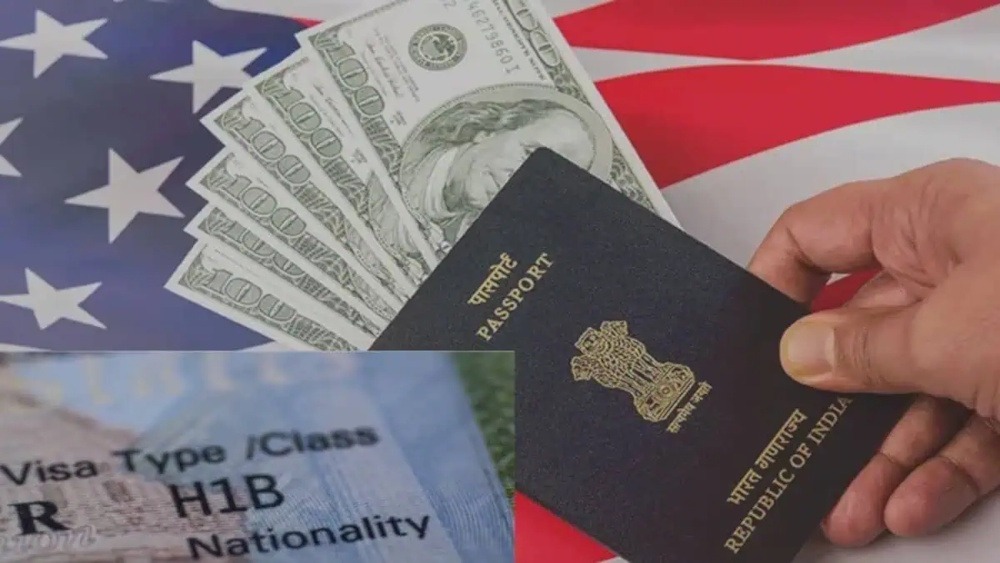
A coalition of prominent US business groups has cautioned President Donald Trump that his suggested $100,000 fee for H-1B visa applications could negatively impact the nation’s economy. The letter, dispatched on Friday, warned that the fee could endanger essential talent pipelines by complicating the hiring process for skilled foreign workers. The letter, endorsed by approximately a dozen organizations, featured representatives from chipmakers, software companies, and retailers, including the Business Software Alliance, SEMI, the National Retail Federation, the Entertainment Software Association, and the Information Technology Industry Council. “We ask the administration to work with industry on necessary reforms to the H-1B visa programme without increasing the significant challenges US employers face recruiting, training, and retaining top talent,” the groups wrote.
The fee seeks to address the misuse of the H-1B programme while promoting the hiring of domestic workers by companies. Nevertheless, industry leaders cautioned that it could jeopardize various sectors, including technology, healthcare, and finance. Companies like Microsoft, Amazon, Walmart, and Intel have consistently depended on H-1B workers to sustain their competitive edge. Innovative fields, especially artificial intelligence, biomedical engineering, and advanced manufacturing, demand a workforce with exceptional skills. The groups emphasized that the new fee could hinder advancement in these critical sectors, jeopardizing US leadership in technology and innovation. “The new approach to H-1B visas, as it stands, will harm the administration’s goals to ensure the US remains a leader in AI, revitalises manufacturing growth, and propels US-developed energy,” the coalition wrote. A spokesperson for the White House defended the new rules, stating that the policy aims to enhance access to top talent while simultaneously reducing fraud.
“Widespread visa abuse not only undermines American workers but undermines the companies that need to recruit first-class talent,” stated spokesman Kush Desai. In light of the fee announcement, major corporations have reportedly advised H-1B employees to remain in the US, underscoring the programme’s significance in retaining essential personnel. On October 3, the $100,000 fee encountered its first significant legal challenge, as a global nurse-staffing agency along with several unions initiated a lawsuit in the Federal Court in San Francisco aimed at obstructing the policy. The groups contended that President Trump lacked the authority to impose such fees, which they argue undermine the established H-1B system and the constitutional “power of the purse” designated to Congress.
The lawsuit claims that employers are compelled to either pay the fee or pursue a “national interest” exemption, which could lead to selective enforcement. The fee would be in addition to existing H-1B charges and includes a directive for the Labour Secretary to revise prevailing-wage levels to prevent undercutting American workers. Healthcare providers emphasized that H-1B workers were essential in tackling doctor shortages in rural areas. The industry coalition expressed its readiness to work alongside the administration to enhance the H-1B system while ensuring that employers do not face additional burdens, advocating for reforms that sustain a consistent influx of skilled foreign workers.