Trump’s Fed Chair Pick Shakes Gold and Silver Markets
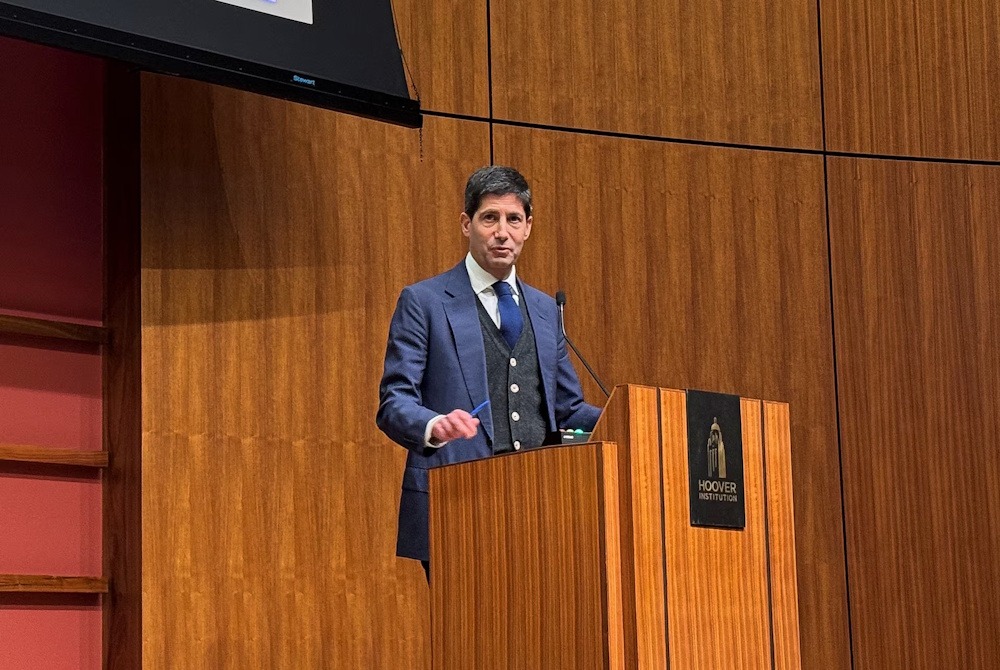
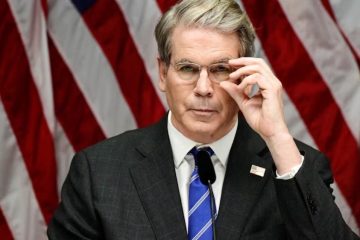
After months of speculation, US President Donald Trump confirmed, “I will be nominating Kevin Warsh as the next chair of the US Federal Reserve.” The appointment has garnered significant attention amid Trump’s ongoing conflict with the Federal Reserve and its current chairman, Jerome Powell. The announcement prompted a notable decline in the gold and silver markets. Following months of unprecedented highs and inflated valuations, spot prices for gold and silver experienced declines of 9 per cent and 28 per cent, respectively, in the wake of the announcement. The US stock market experienced a decline, as major indexes all recorded modest losses. In light of worries regarding Trump’s influence on the Fed, the market crash can, paradoxically, be interpreted as a preliminary endorsement of Warsh’s autonomy and appropriateness for the position. To grasp the situation, one must consider the backdrop of Trump’s persistent clash with the Federal Reserve, as well as the significance of central bank independence within our contemporary global financial framework. Over the past year, Trump has found himself in an extraordinary clash with the Federal Reserve.
In 2017, Trump appointed Jerome Powell as the current Chairman. However, the relationship rapidly deteriorated when Powell failed to reduce interest rates at the pace Trump desired. In a vividly expressive manner, Trump has referred to Powell as a “clown” with “some real mental problems”, stating, “I’d love to fire his ass”. The exchange of rhetoric escalated into legal threats. The Justice Department under Trump has initiated an investigation into Federal Reserve Governor Lisa Cook regarding purported fraud in historical mortgage documents. Last month, in a surprising turn of events, the Justice Department initiated a criminal investigation into Powell concerning overspending on renovations of the Federal Reserve offices. Both sets of allegations are generally regarded as unfounded. However, Trump has attempted to leverage the investigation as a basis to dismiss Cook. The matter is presently under consideration by the Supreme Court. Powell has responded emphatically to Trump, asserting that the legal threats stem from the Federal Reserve’s decision to set interest rates based on our best assessment of what will benefit the public, rather than catering to the President’s preferences. Powell garnered backing from 14 international central bank leaders, who emphasized that “the independence of central banks is a cornerstone of price, financial and economic stability.”
Historically, presidential interference with the Fed was a significant factor in the stagflation crisis of the 1970s. In recent times, Argentina and Turkey have faced substantial financial crises, attributed to the disruption of central bank independence. Kevin Warsh, a former banker and Federal Reserve governor, has held the position of economic advisor to both President George W. Bush and President Trump. Initially, Trump appeared to prefer the current director of Trump’s National Economic Council, Kevin Hassett, for the position. However, Hassett was broadly perceived as being overly influenced by Trump, heightening concerns regarding the independence of the Fed. Warsh presents himself as more independent and carries a reputation as an inflation “hawk.” The Federal Reserve holds the responsibility of determining interest rates in the United States. In straightforward terms, reduced interest rates have the potential to boost economic growth and employment; however, they also carry the risk of inducing inflation. Higher interest rates can control inflation; however, this comes at the expense of increased unemployment and diminished growth.
The central role of the Federal Reserve is to achieve the right balance. Central bank independence is crucial to ensure that this delicate task is informed by the best evidence and the long-term needs of the economy, rather than being swayed by short-term political objectives. An inflation “hawk” denotes a central banker who emphasizes the importance of combating inflation, in contrast to a “dove” who focuses on fostering growth and employment. During Warsh’s earlier tenure at the Federal Reserve, he built a solid reputation as an inflation hawk. Even in the aftermath of the global financial crisis of 2008, Warsh expressed greater concern for inflation than for employment opportunities. Considering Trump’s previous disagreements with Powell regarding interest rate cuts, Warsh could appear to be an unexpected selection for the role. Recently, Warsh has softened his stance, reflecting Trump’s critiques of the Fed and calls for reduced interest rates. It remains uncertain whether this support will persist, or if his hawkish tendencies will resurface, potentially leading to future conflict with Trump. The downturn in gold and silver prices, along with the drop in stock markets, indicates that investors perceive interest rate cuts as less probable under Warsh compared to other candidates.
Gold and silver prices generally increase when there is instability or concerns about inflation. The earlier record highs were influenced by various elements, such as global instability, worries regarding Fed independence, and a speculative bubble. The fact that Warsh’s appointment has triggered a market correction in precious metals indicates that investors anticipate lower inflation and enhanced financial stability. The US dollar’s ascent in trading further bolsters this perspective. In recent weeks, there has been considerable discourse surrounding the evolving global landscape. Canadian Prime Minister Mark Carney recently criticized the conclusion of the international rules-based order and advocated for a departure from “American hegemony”. The global dominance of the US dollar stands as a vital pillar of US economic hegemony. While Trump evidently maintains doubts about the independence of the central bank, his choice of Warsh indicates an acknowledgment of the necessity to uphold the credibility of the US currency and the Federal Reserve. It remains to be seen whether that recognition can continue to temper Trump’s instinct to interfere with the setting of interest rates.