Trump tariffs undoubtedly raised US inflation last month
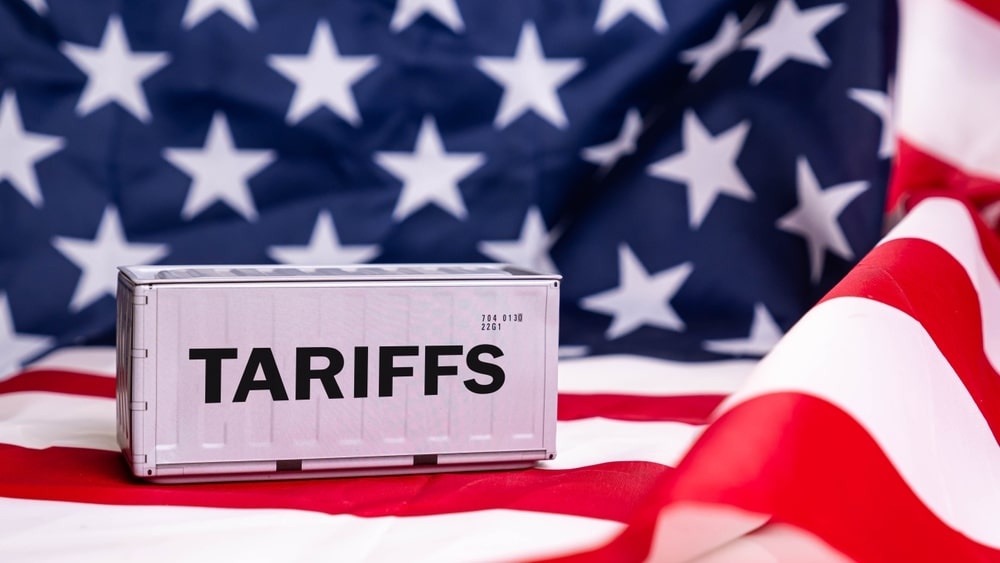
US inflation is expected to have risen last month, driven by the Trump administration’s import taxes that have increased the cost of goods. This development may place the Federal Reserve in a challenging position as it prepares for its meeting next week. According to a survey, economists predict that consumer prices increased by 2.9 percent in August compared to the same month last year. This represents an uptick from the annual rate of 2.7 percent recorded in July.
Core inflation, excluding volatile food and energy costs, is anticipated to have risen by 3.1 per cent, consistent with the figures from July. Both figures exceed the Fed’s 2 percent inflation target. The potential increase, though modest, would highlight the challenges confronting the Fed as it endures ongoing pressure from President Donald Trump to lower its short-term interest rate. Trump expresses optimism that rate cuts will encourage increased borrowing and spending, thereby enhancing the economy. Recent government reports indicate a significant slowdown in hiring over the past few months, with figures falling below earlier estimates from last year. This trend suggests that companies may be concerned about future sales and are consequently less inclined to expand their workforce.
The unemployment rate rose slightly in August, reaching a still-low 4.3 percent. Traditionally, the Federal Reserve would lower its key interest rate in response to rising unemployment in order to encourage increased spending and economic growth. However, it would have the contrary effect, opting to increase rates or, at the very least, maintain them in response to escalating inflation. In the previous month, Chair Jerome Powell indicated that Federal Reserve officials are growing increasingly concerned about employment, suggesting a likely rate cut during their upcoming meeting next week. However, persistently elevated inflation may prevent the Fed from implementing swift cuts. Prices are anticipated to have risen at an accelerated pace on a monthly basis, with an increase of 0.3 per cent from July to August. Core prices are anticipated to rise by 0.3 percent on a month-to-month basis. Last month, the cost of groceries and gas is projected to have increased.
Powell indicated in his August remarks that tariffs might result in a temporary spike in prices, rather than sustained inflation. Should that be the case, it would facilitate the Federal Reserve’s ability to continue reducing its key interest rate. According to futures pricing, Wall Street investors anticipate that the Fed will execute three cuts this year. The inflation data coincides with Trump’s attempt to dismiss Fed governor Lisa Cook, reflecting his desire to exert greater influence over the Federal Reserve. On Tuesday evening, a court determined that the termination was unlawful, allowing Cook to retain her position as the legal proceedings unfold.