Trump signs Indonesia trade deal, levies 19% tax on imports
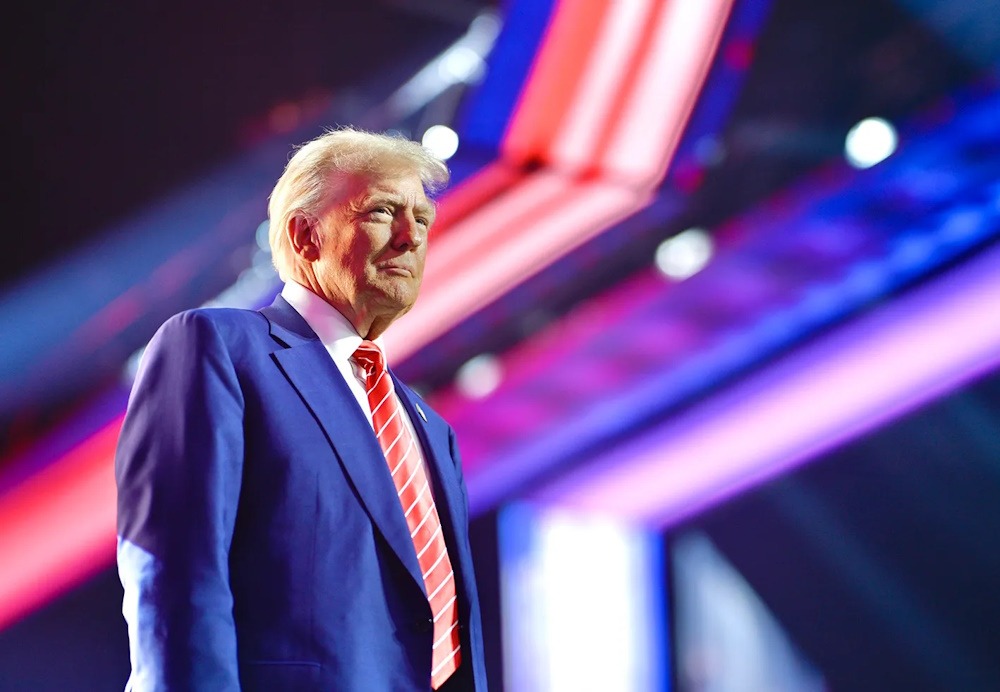
US President Donald Trump announced a deal with Indonesia that imposes a 19 percent tariff on goods from the country, while US exports will remain untaxed. “They are paying 19 percent and we are not paying anything,” Trump stated to reporters Tuesday at the White House. “We are going to have full access to Indonesia.”
Trump has dispatched tariff letters in the past week to several trading partners, intensifying pressure on negotiators as the Aug. 1 deadline for higher duties approaches. A pact with Indonesia, facing a 32 per cent tariff threat, would mark the first agreement with a country identified in those messages to lower their rate. Trump announced the accord earlier on social media, offering no specifics. He stated he engaged directly with Indonesian President Prabowo Subianto to finalize the deal. Indonesia is set to release a joint statement with the US, outlining further details such as non-tariff measures and commercial agreements, according to Coordinating Ministry for Economic Affairs Secretary Susiwijono Moegiarso in a text message late Tuesday from Jakarta.
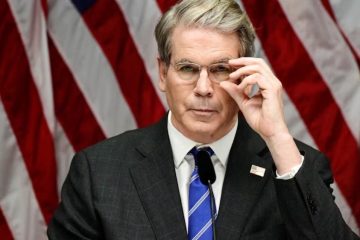
Last week, Indonesia’s chief negotiator, Minister Airlangga Hartarto, engaged with US officials, including Trade Representative Jamieson Greer, Commerce Secretary Howard Lutnick, and Treasury Secretary Scott Bessent, to discuss an enhanced agreement. Southeast Asia’s largest economy previously suggested near-zero tariffs on approximately 70 percent of US imports, alongside business agreements in critical minerals, energy, agriculture, and defense. However, this did not persuade Trump to reduce the levy on Indonesian goods from the 32 percent rate established in April.
Markets are currently in a wait-and-see stance regarding Trump’s trade proclamations, as he has altered rates and deadlines several times since announcing country-by-country tariffs on April 2, only to pause them shortly thereafter. The iShares MSCI Indonesia ETF increased by 0.7 percent Tuesday morning New York time following Trump’s post, while the S&P 500 remained relatively stable. An agreement with Indonesia would mark the fourth trade framework announced by Trump with foreign governments, following those with Vietnam and the UK. The US and China have reached a tariff truce, which includes the planned resumption of critical minerals and technology trade between the world’s two largest economies.
The pacts have so far not reached the level of comprehensive trade agreements, with numerous details still pending negotiation. Trump offered no documentation to support last week’s assertion of an agreement with Vietnam. The country’s leadership was surprised by Trump’s announcement that Hanoi accepted a 20 percent tariff, and the Vietnamese government is still working to reduce the rate, according to sources familiar with the situation. Trump has left foreign governments and investors anxious regarding his tariff agenda, prompting partners to hasten efforts to evade higher import taxes, while markets confront yet another wave of uncertainty. The US president expressed on Monday his preference to maintain the levies in his letters, stating, “I really don’t want deals.” “I just want the paper to get sent.”
The president stated his readiness to persist in discussions with major economies, including the European Union. Over the past week, Trump issued a series of tariff demand letters, notifying other economies of new duties scheduled to take effect on Aug. 1 unless they negotiate more favorable terms with the US. The letters prolonged the original July 9 deadline by an additional three weeks, igniting a renewed flurry of negotiations. Trump’s numerous tariff threats have led economies to expand trade relationships beyond the US; Indonesia has reached a tentative economic agreement with the EU over the weekend. “There is quite a level of frustration with these deals and more talk about exploring those other options, to include Europe,” said Erin Murphy, senior fellow on emerging Asia economics at the Center for Strategic and International Studies.
Southeast Asian nations, reluctant to align with either the US or China, have consistently found themselves in the midst of economic and political conflicts between the two superpowers. Vietnam is reportedly ahead in trade negotiations with the US, while Thailand continues discussions, considering ways to lower US duties without compromising too much and risking domestic unrest. Philippine officials are working to finalize a pact before the new deadline, as President Ferdinand Marcos Jr. plans to visit Washington later this month to address Trump’s proposed 20 percent tariff on the island nation.