Mortgage Rates Surge to 6.11% Amid Iran War Chaos
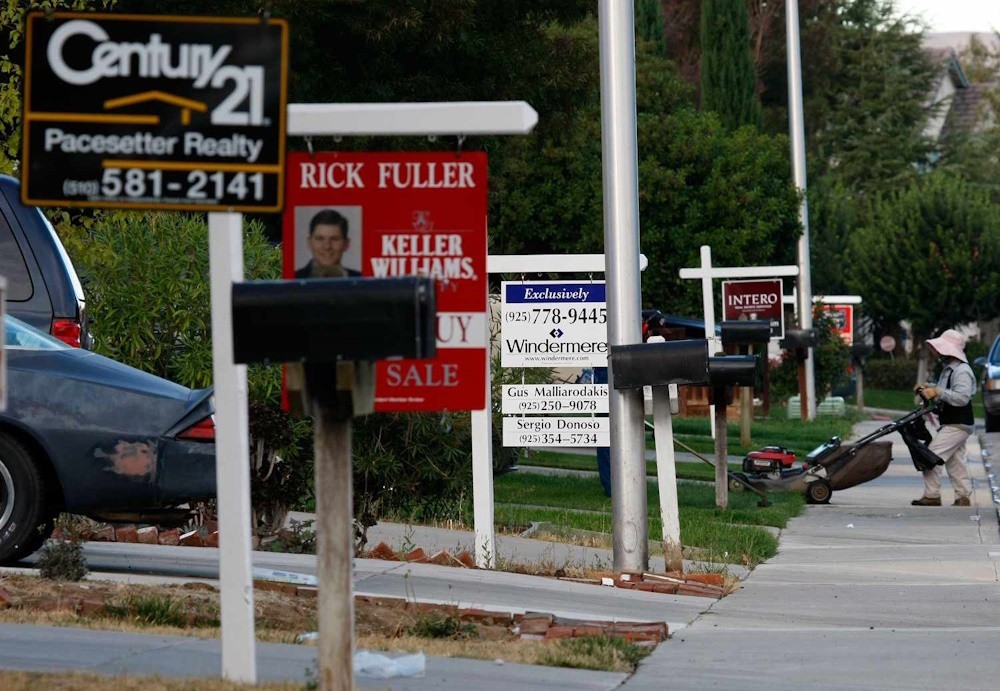
US mortgage rates increased this week as investors express concern over the economic repercussions of President Donald Trump’s conflict with Iran, reversing some of the positive strides made in housing affordability. According to a survey, the average rate of a standard, 30-year fixed mortgage stood at 6.11% for the week ending March 12. That marked the largest weekly increase since April, when Trump’s “Liberation Day” tariffs led to a surge in bond yields. Just two weeks ago, the average rate dipped below 6% for the first time since 2022, surpassing a significant psychological barrier that typically instills greater confidence in potential homebuyers. The yield on the 10-year US Treasury note, which mortgage rates follow, has risen sharply since Trump and Israel launched attacks on Iran earlier this month, sending global energy prices skyrocketing and complicating the Federal Reserve’s ability to implement rate cuts in the near future.
On Thursday, the 10-year yield increased to 4.25%, marking its highest level since early February. On Thursday afternoon, Trump urged Fed Chair Jerome Powell to reduce interest rates, reiterating a common request from the president: “Where is the Federal Reserve Chairman, Jerome “Too Late” Powell, today? He should be dropping interest rates, IMMEDIATELY, not waiting for the next meeting!” The Fed does not directly control mortgage rates; however, its actions have an impact on them. For years, the interplay of elevated mortgage rates, rising home prices, and a persistent housing shortage has excluded many Americans from the housing market. Home prices remain elevated; however, recent declines in interest rates have encouraged some buyers to enter the market, leading to a 1.7% increase in existing-home sales in February, as reported.
However, an extended conflict with Iran may lead to increased oil prices and reignite inflation worries, which could drive investors to offload bonds, resulting in higher Treasury yields. This would likely lead to an increase in mortgage rates, complicating the process for potential buyers, particularly first-time homebuyers seeking to enter the market. “Without the geopolitical tensions, we would likely be seeing a 10‑year Treasury well south of 4%, with mortgage rates in the high 5s,” stated Jeff DerGurahian in a recent analyst note. “All of this hinges on the price of oil.” He added “If the conflict in the Middle East drags on and oil prices remain high, the Federal Reserve will err on the side of caution.”
The looming prospect of increased mortgage rates coincides with the impending spring home shopping season, a period characterized by “more buyers kicking the tires, visiting open houses,” as noted by Lawrence Yun, NAR’s chief economist, during a news conference on Tuesday. “The outlook for the spring homebuying season has become cloudier than it was even just a month ago,” said Lisa Sturtevant. “If the conflict with Iran is limited, the housing market could rebound quickly. “However, a prolonged conflict could stall home sales activity this spring.”