IMF, World Bank Alert: Food Prices Surge Amid West Asia Conflict
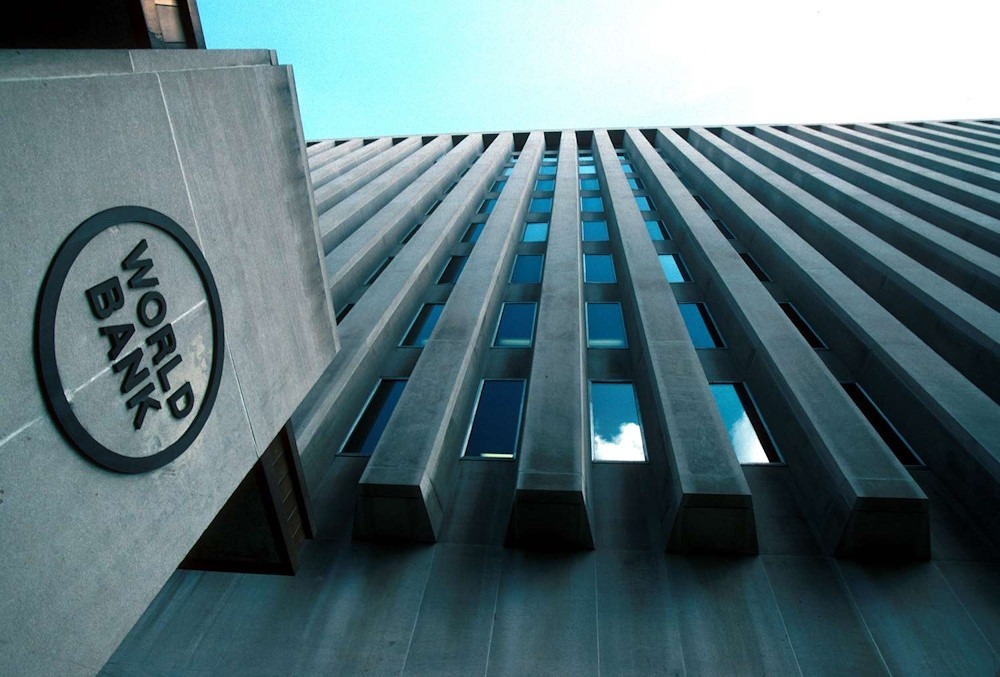
The International Monetary Fund, the World Bank, and the World Food Programme have stated that the war in West Asia has caused one of the most significant disruptions to global energy markets and will inevitably result in increased food prices and food insecurity. In a joint statement, the leaders of the three organizations emphasized that the impact of escalating food prices will be felt most acutely by the world’s most vulnerable populations. The conflict in West Asia is profoundly disrupting lives and livelihoods both within the region and beyond. It has already triggered one of the most significant disruptions to global energy markets in contemporary history.
“Sharp increases in oil, gas, and fertiliser prices, together with transport bottlenecks, will inevitably lead to rising food prices and food insecurity,” said the joint statement issued after a meeting of the heads of the three institutions on Wednesday. According to their statement, the three organisations will maintain a close watch on the developments and will coordinate the use of all available tools to assist those affected by the crisis. The burden will fall most heavily on the world’s most vulnerable populations, particularly in lowincome, import dependent economies. “Spikes in fuel prices and potential sharp increases in food prices are especially concerning where fiscal space is constrained and debt burdens are already high, reducing governments’ ability to protect vulnerable households,” the statement said.
In accordance with their respective mandates and building on existing response mechanisms, the three organisations will provide support to safeguard lives and livelihoods, and to lay foundations for a resilient recovery that delivers stability, growth, and jobs. The statement was issued one day following the agreement between the US and Iran for a two-week ceasefire, aimed at halting the hostilities that commenced on February 28. The US and Israel initiated strikes against Iran following its refusal to relinquish its nuclear fuel stockpile.