High inflation continues to elude the Fed’s grasp
The Federal Reserve intervened last month to protect America’s labor market, reducing rates by a quarter point to bolster a decline in hiring. However, there remains another significant issue that must be tackled — one that has escalated the cost of living in the United States and continues to put pressure on lower- and middle-income families. Inflation — a critical aspect of the Fed’s dual mandate — remains above pre-pandemic levels, and President Donald Trump’s trade war has contributed to rising prices. The Fed approached its 2% target by the end of last year, but then Trump’s aggressive policies altered the fundamental dynamics of the economy. It’s a complex issue that has split policymakers on the rate-setting committee: The central bankers advocating for rate cuts starting in July — all appointed by Trump — express optimism that tariff-induced inflation will prove to be temporary. Nonetheless, other Fed officials remain unconvinced. “We have been missing our mandate on the inflation side, our objective of 2%, for more than four and a half years,” stated Cleveland Fed President Beth Hammack in an interview. “I continue to be concerned about our current situation regarding inflation.”
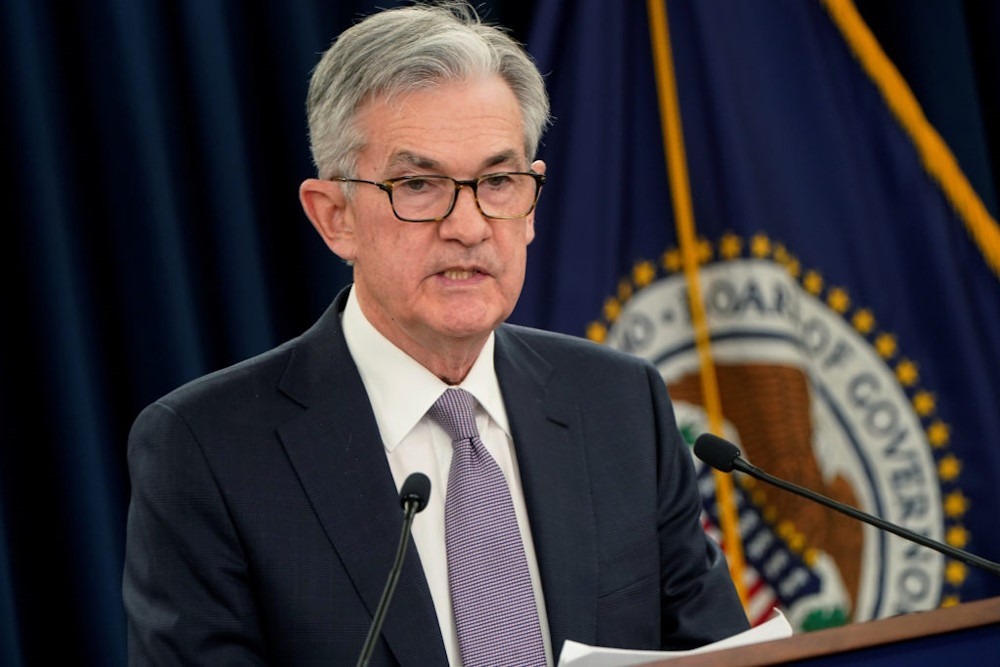
The central bank has maintained interest rates at a steady level for nine consecutive months to assess the effects of Trump’s tariffs on the economy. However, with the labor market now facing challenges, the economic landscape has grown significantly more intricate. “There are no risk-free paths now,” Fed Chair Jerome Powell stated. “It’s not incredibly obvious what to do. We have to keep our eye on inflation.” Simultaneously, we cannot overlook and must remain vigilant regarding maximum employment. “Those are our two equal goals,” he added. The Fed faced widespread criticism for its delayed response to the surge in inflation in 2021 — a perspective that has been recognized by some Fed officials, including Powell. However, by the middle of 2022, Federal Reserve officials began to adjust their strategy, increasing rates at the quickest rate seen since the 1980s. And it was successful. By the conclusion of the previous year, the Fed appeared poised to achieve the elusive “soft landing” by controlling inflation without triggering a recession. The Personal Consumption Expenditures price index, which is the Fed’s preferred measure of inflation, continued to decelerate in the first half of 2025, hitting a four-year low of 2.3% in April. Then, in January, Trump commenced his second term. His unpredictable trade war has stifled businesses, causing hiring plans to be suspended. It has also stirred price pressures within the economy. In addition to other significant policy changes, there are mass deportations and reductions in federal funding.
“The economy is in a tug of war,” stated Philip Straehl in an interview. “The Fed is making a tradeoff for the labor market because the tariff uncertainty is weighing on companies, you see what’s happening with federal workers and the impact of AI on certain industries,” he stated. The Fed is anticipated to reduce borrowing costs two additional times before the year’s conclusion, based on the latest economic projections from Fed officials, with the aim of averting a significant rise in unemployment. Lowering interest rates may provide relief to the numerous Americans who continue to face the challenges of elevated living expenses. Job growth since the summer has been sluggish; unemployment among young people and minorities has increased significantly; and there are now more unemployed individuals looking for work than available job openings, according to the latest Labor Department data. Unemployment stands at a relatively low rate of 4.3%. However, research indicates that when joblessness increases, it often persists in that trend — unless intervention occurs from the Fed. To provide context, a 0.1% change in the unemployment rate translates to hundreds of thousands of individuals. The government’s shutdown adds another layer of complexity, resulting in the suspension of official economic data that offers essential guidance for policymakers on matters such as employment, inflation, and trade. The September jobs report, scheduled for release on October 3, has encountered a delay, and crucial inflation data expected next week may also face postponement. That places a blindfold on the Fed.
Currently, officials are largely anticipated to reduce rates by a quarter point during their policy meeting on October 28-29, as indicated by futures. Meanwhile, Americans find themselves in a state of anticipation as they await the economy’s recovery following years of elevated inflation. In August, price hikes increased by approximately 20% compared to January 2021, as reported by the Fed’s preferred inflation gauge. According to retailers, this has led many low-income households to cut back or opt for cheaper alternatives. Credit scores are experiencing a decline at the quickest rate since the Great Recession, coinciding with the resumption of student debt payments. And the US economy is beginning to split into two distinct paths: Executives at prominent corporations like Walmart, McDonald’s, and Target consistently articulate in earnings calls the persistent economic challenges faced by low- and middle-income Americans. The University of Michigan’s latest consumer survey revealed that “sentiment for consumers with larger stock holdings held steady in September, while for those with smaller or no holdings, sentiment decreased.” Wells Fargo during an interview There is this big dichotomy between higher-income and lower-income consumers which continues and is a real issue. The low end is spending the money that they have, so their balances are below … pre-pandemic levels; they are living on the edge.
Americans continue to confront a housing crisis characterized by low supply, high prices, and elevated mortgage rates. Trump has stated, “the Fed needs to lower interest rates” to enhance affordability for home seekers and has attempted to sway the politically independent Fed to achieve lower borrowing costs. Trump stated he would dismiss Powell (and later claimed he would not), has removed Fed Governor Lisa Cook (who promptly initiated a legal challenge and continues to hold her position), and has exerted pressure on Board members to resign. He even had his chief economic adviser take a leave of absence to occupy a vacant position on the Fed’s influential governing Board. Trump has also stated his intention to appoint a new Fed chair this year, several months prior to Powell’s term concluding in May. This move is unconventional and effectively introduces a “shadow” leader at the central bank, thereby diminishing Powell’s influence as a consensus builder. At least two voting members of the rate-setting committee are currently in contention for the role and have expressed support for aggressive rate cuts. The central bank now confronts a multifaceted challenge: safeguarding its independence while simultaneously curbing the risks of inflation and unemployment escalating in the coming year, all amidst ongoing economic uncertainty and a data blackout. “There is not a generic playbook for how the central bank should respond to a stagflationary shock,” stated Chicago Fed President Austan Goolsbee.