Energy Costs and Inflation to Drop After Iran Conflict Ends
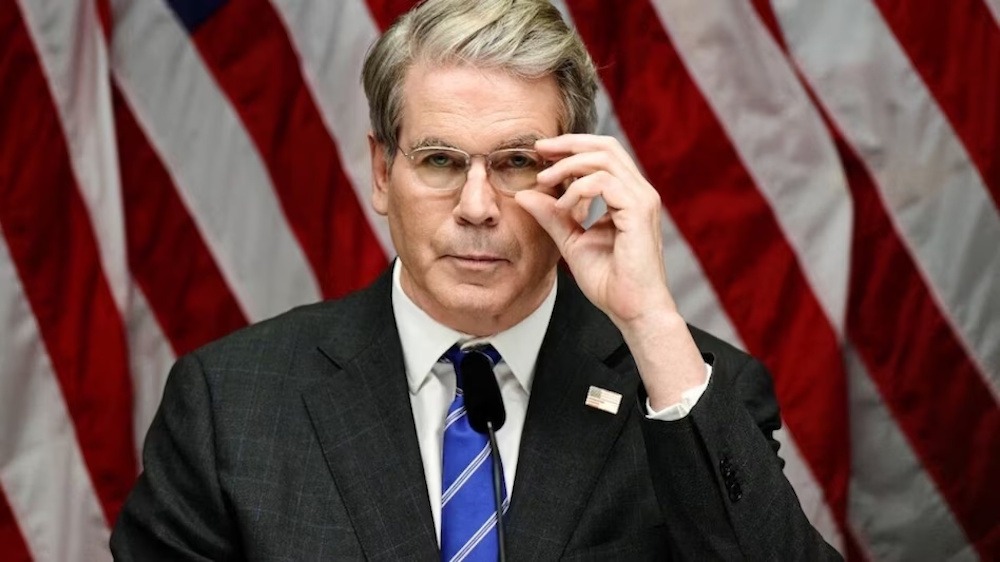
US Treasury Secretary Scott Bessent has projected a significant cooling of global inflationary pressures, asserting that energy prices and inflation will be lower once the current conflict in West Asia concludes with what he described as “absolute security”. During a Cabinet meeting on Thursday, Bessent expressed an optimistic perspective on the energy sector, even in light of the ongoing hostilities with Iran. He observed that the oil market is adequately supplied and highlighted a gradual return of maritime activity in the region. “The oil market is well supplied,” he stated, forecasting that increased tanker traffic will commence from West Asia.
Bessent noted a notable shift in maritime logistics, stating that movement in the Gulf is beginning to increase. “We are starting to see more movement in the Gulf.” He remarked “This is the beginning,” adding further that “we are starting to see more and more movement in and out of the Gulf today.” The Treasury Secretary conveyed a robust assurance regarding the durability of global trade routes, indicating that shipping traffic is expected to rise daily, even prior to the complete security of the Strait. He emphasized this position by asserting his confidence that shipping traffic will keep rising, even prior to the complete security of the Strait.
This recovery occurs at a pivotal moment, as traffic through the Strait of Hormuz, an essential waterway, has been significantly affected by the Iran-US war. On Thursday, the markets exhibited notable volatility, as evidenced by rising oil prices. The most-active Brent crude futures contract was trading at approximately USD 102 a barrel. Bessent addressed the domestic impact of the conflict, asserting that the American public is ready to face “short-term volatility” to secure five decades of safety following the defeat of the Iranian regime.
He further suggested that political opponents might be underestimating the public’s determination concerning the administration’s long-term strategic objectives. “Many people, especially the Democrats, underestimate the will of the American people for short-term volatility, for 50 years of safety that we are going to have on the other side of this,” Bessent stated.