Trump’s Tariffs shift Asia’s focus to American LNG, compromising climate ambitions
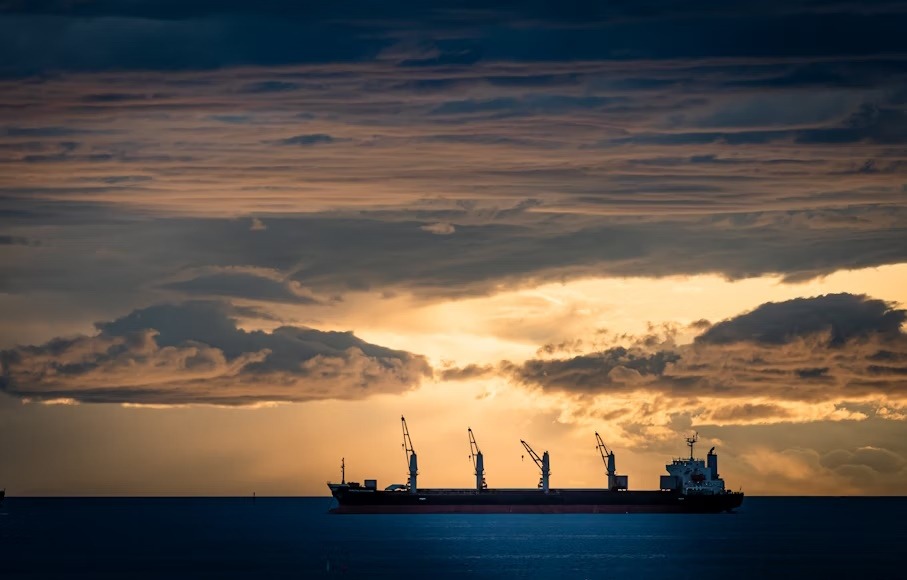
Liquefied natural gas, or LNG, is natural gas that has been cooled to a liquid state for convenient storage and transportation. It serves as a fuel for transportation, residential cooking and heating, as well as industrial processes. LNG burns cleaner than coal; however, it remains a fossil fuel that emits greenhouse gases and contributes to climate change. Some Asian countries are negotiating with the Trump administration to purchase more US liquefied natural gas, aiming to ease tensions related to US trade deficits and prevent higher tariffs. Analysts caution that this strategy may jeopardize the long-term climate goals and energy security of those nations.
Asian countries have prioritized purchasing more US LNG in negotiations with Washington regarding President Donald Trump’s extensive tariffs on foreign goods. Vietnam’s Prime Minister emphasized the necessity of increasing purchases of super-chilled fuel during a government meeting, and in May, the government finalized a deal with an American company to establish a gas import hub. JERA, Japan’s largest power generator, signed new 20-year contracts last month to purchase up to 5.5 million metric tons of US gas annually starting around 2030. US efforts to increase LNG sales to Asia began before the Trump administration, but have accelerated due to his strong focus on securing trade agreements.
Trump engaged in discussions regarding collaboration on a $44 billion Alaska LNG project with South Korea, leading to a site visit by officials in June. The US president has endorsed the project to transport gas from Alaska’s extensive North Slope to a liquefaction plant in Nikiski, south-central Alaska, primarily targeting exports to Asian nations while circumventing the Panama Canal. Thailand has expressed a willingness to enter a long-term agreement for American fuel and has shown interest in the Alaska project to construct a nearly 810-mile (1,300-kilometer) pipeline for gas transport. Meanwhile, The Philippines is contemplating gas imports from Alaska, and India is considering eliminating import taxes on US energy shipments to reduce its trade surplus with Washington.
Trump has pressured numerous Asian trading partners to increase their purchases of US LNG, noted Tim Daiss at the APAC Energy Consultancy, highlighting that Japan has consented to buy more even as it faces an oversupply of fuel, leading to the cancellation of projects and contracts to export the surplus to Asia’s expanding economies. “Not good for Southeast Asia’s sustainability goals,” he said.
Experts warn that LNG purchasing agreements may hinder the adoption of renewable energy in Asia. “Locking into long-term deals could leave countries with outdated infrastructure as the world shifts rapidly toward cleaner energy sources like solar or wind that offer faster, more affordable ways to meet growing power demand,” said Indra Overland, head of the Center for Energy Research at the Norwegian Institute of International Affairs. Building pipelines, terminals, and even household gas stoves establishes systems that are costly and challenging to replace, making it more difficult to transition to renewables in the future. “And you’re more likely then to get stuck for longer,” he said.
He said that energy companies profiting from gas or coal are powerful vested interests, influencing policy to benefit their business models. Numerous LNG contracts feature take-or-pay clauses, requiring governments to pay regardless of fuel usage. Christopher Doleman of the Institute for Energy Economics and Financial Analysis cautions that if renewable energy expands rapidly, decreasing the demand for LNG, nations might still incur costs for gas they no longer require.
The calculations surrounding LNG are inconsistent. Experts noted that while countries are indicating a readiness to import more US LNG, they are unlikely to import sufficient quantities to significantly affect US trade deficits. South Korea would need to import 121 million metric tons of LNG in a year—50% more than the total amount of LNG the US exported globally last year and triple what South Korea imported, said Doleman. Vietnam’s trade surplus with the U.S. is twice that of Korea’s, necessitating annual imports of 181 million metric tons—more than double the U.S. exports from last year.